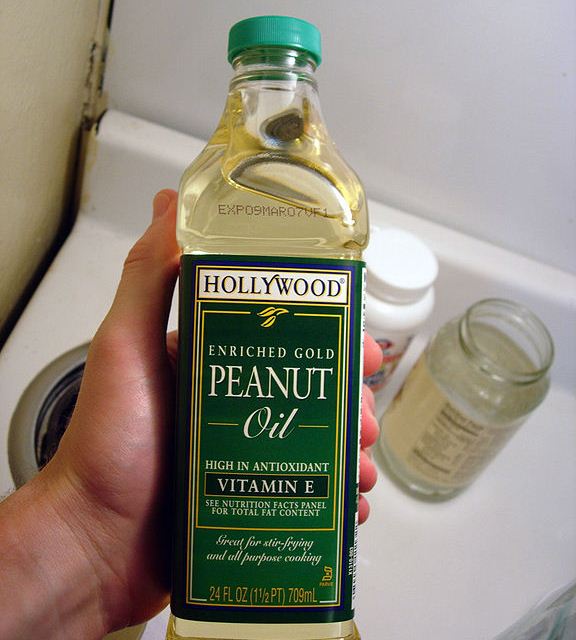
When selecting a cooking oil, its smoke point—the temperature at which it begins to break down and smoke—is a critical factor. While many oils are suitable for cold applications like salad dressings, high-heat cooking requires an oil with a high smoke point. Peanut oil, derived from the seeds of the Arachis hypogaea plant, is versatile in this regard, with refined versions being suitable for high-temperature cooking.
However, beyond its culinary uses, peanut oil possesses a unique nutritional profile that has drawn interest for its potential health and skin benefits. Its composition, rich in monounsaturated fats and vitamin E, is central to these effects. This article will explore the evidence-based uses of peanut oil, focusing on its role in skin and cardiovascular health, while emphasizing crucial safety protocols.

Potential Health Benefits of Peanut Oil
The primary benefits associated with peanut oil are linked to its high concentration of monounsaturated fatty acids (MUFAs), particularly oleic acid, and its significant vitamin E content.
1. May Support Cardiovascular Health
Peanut oil is a notable source of monounsaturated fats, which are widely recognized for their role in supporting heart health. According to research published in journals like the American Journal of Clinical Nutrition, diets rich in MUFAs can help manage cholesterol levels. Specifically, substituting saturated fats with monounsaturated fats may contribute to lowering LDL (“bad”) cholesterol without negatively affecting HDL (“good”) cholesterol.
Furthermore, peanut oil contains phytosterols, plant compounds that can interfere with the absorption of cholesterol in the gut. A 2022 study highlighted that regular consumption of oils rich in oleic acid and phytosterols, as part of a balanced diet, is associated with improved cardiovascular markers. Therefore, using peanut oil in moderation can be a component of a heart-healthy eating plan.
2. Skin Moisturization and Antioxidant Support
Peanut oil is an excellent source of Vitamin E (alpha-tocopherol), a powerful fat-soluble antioxidant. Antioxidants help protect the body’s cells, including skin cells, from oxidative stress caused by free radicals. This oxidative damage is a key factor in premature aging.
When applied topically, peanut oil can act as an effective emollient, locking in moisture and helping to soothe dry, flaky skin. Its vitamin E content may also offer protective benefits against environmental stressors. However, its use on the face, particularly for those with acne-prone skin, requires caution due to its moderate comedogenic rating, which means it has the potential to clog pores.
3. Potential Anti-Inflammatory Effects
The vitamin E in peanut oil also exhibits anti-inflammatory properties. For this reason, it has been traditionally used in massage to soothe sore muscles and joints. Some preliminary research suggests that topical application of vitamin E can help calm skin irritation. For instance, it may provide temporary relief for dry skin conditions like eczema by reducing inflammation and restoring the skin barrier.
Important Note: Peanut oil should never be applied to open wounds, cuts, or broken skin, as this can increase the risk of infection and allergic reactions.
Administration Protocol and Safety Limits
Dietary Use
- Maximum Daily Intake: There is no specific maximum dose, but it should be consumed in moderation as part of a balanced diet. Most dietary guidelines recommend that total fat intake should not exceed 25-35% of daily calories. Aim for 1-2 tablespoons (15-30 ml) per day, replacing other sources of saturated fat.
- Method of Consumption: Use refined peanut oil for high-heat cooking (frying, stir-frying) due to its high smoke point (~232°C or 450°F). Use unrefined or cold-pressed peanut oil for dressings or low-heat cooking to preserve its flavor and nutrients.
- Incompatibilities: Avoid consuming excessive amounts, as it is calorie-dense. Balance its high omega-6 content with sources of omega-3 fatty acids like fish, flaxseeds, or walnuts.
Topical Use (For Skin)
- Patch Test is Mandatory: Before applying to a larger area, perform a patch test. Apply a small amount of oil to a discreet area of skin (like the inner arm) and wait 24-48 hours to check for any signs of irritation, redness, or allergic reaction.
- Quantity and Frequency: Use sparingly. A few drops are sufficient to moisturize the face or a small area of the body. It can be used once daily, preferably at night.
- Application: Apply to clean, slightly damp skin to help lock in moisture. Gently massage until absorbed.
Specific Biological Limitation
High Omega-6 to Omega-3 Ratio: Peanut oil is very high in omega-6 fatty acids (linoleic acid) and contains almost no omega-3 fatty acids. While omega-6 is an essential fatty acid, modern diets are often excessively high in it relative to omega-3s. This imbalance can promote a pro-inflammatory state in the body. Therefore, individuals who consume peanut oil regularly should make a conscious effort to increase their intake of omega-3-rich foods to maintain a healthier fatty acid balance.
Contraindications and Precautions
This section outlines critical safety information. Failure to adhere to these warnings can result in severe health consequences.
| Contraindication | Reason and Risk |
|---|---|
| Peanut Allergy (Absolute) | This is a life-threatening condition. Individuals with a known or suspected peanut allergy must avoid all forms of peanut oil. Highly refined peanut oil may have most allergens removed, but the risk of a reaction, including anaphylaxis, remains. Cross-contamination is also a significant concern. |
| Acne-Prone or Oily Skin | Peanut oil has a moderate comedogenic rating, meaning it can clog pores and potentially worsen acne breakouts in susceptible individuals. |
| Pregnancy and Breastfeeding | Dietary use in normal culinary amounts is generally considered safe. However, topical use should be discussed with a healthcare provider, especially if there is a family history of allergies. |
| Children | Do not introduce peanut products, including oil, to infants at high risk for allergies without consulting a pediatrician or allergist. |
Therapeutic Alternatives
If peanut oil is not suitable due to allergies, skin type, or dietary preferences, consider these validated alternatives:
For Skin Moisturization:
- Jojoba Oil (Simmondsia chinensis): Its chemical structure is very similar to human sebum, making it non-comedogenic and well-tolerated by most skin types, including oily and acne-prone skin.
- Rosehip Seed Oil (Rosa canina): Rich in vitamins A and C and essential fatty acids, it is valued for its regenerative properties and is often used to address scars and hyperpigmentation. It is also low on the comedogenic scale.
For Heart-Healthy Cooking:
- Extra Virgin Olive Oil: A cornerstone of the Mediterranean diet, it is rich in monounsaturated fats and polyphenols. Best for low-to-medium heat cooking and dressings.
- Avocado Oil: High in monounsaturated fats and has a very high smoke point, making it an excellent and versatile alternative for high-heat cooking.
Recent Medical Research (2020-2026)
Recent research continues to focus on the health impacts of different dietary fats. A 2022 meta-analysis published in Nutrients reaffirmed that replacing saturated fatty acids with monounsaturated and polyunsaturated fatty acids is associated with a reduced risk of cardiovascular disease. While not focused exclusively on peanut oil, this supports the benefits of incorporating MUFA-rich oils into the diet.
Current limitations in research include a need for more human clinical trials specifically isolating the effects of peanut oil versus other MUFA sources, especially concerning its topical benefits for skin conditions.
Specialist’s Summary
Peanut oil is a useful culinary oil, particularly for its high smoke point and monounsaturated fat content, which may support cardiovascular health when used to replace saturated fats. Its high vitamin E content makes it a decent moisturizer for dry skin, but it is absolutely contraindicated for anyone with a peanut allergy and should be used with caution on acne-prone skin. For a better inflammatory balance, its high omega-6 content should be offset with dietary omega-3s. Validated alternatives include olive oil for heart health and jojoba oil for skin care.
Frequently Asked Questions
1. Is refined peanut oil safe for someone with a peanut allergy?
While highly refined peanut oil is processed to remove most of the allergenic proteins, the U.S. FDA does not exempt it from allergen labeling. The risk of a severe reaction, though reduced, is not zero. Therefore, medical experts universally advise individuals with peanut allergies to avoid all peanut products, including all types of peanut oil.
2. Can I use peanut oil on my face every day?
If you have dry or normal skin and have successfully passed a patch test, you can use a few drops daily. However, if you have oily, combination, or acne-prone skin, daily use is not recommended as it may lead to clogged pores and breakouts.
3. Which is healthier: peanut oil or olive oil?
Both are healthy sources of monounsaturated fats. Extra virgin olive oil has the added benefit of being rich in polyphenols, potent antioxidants with anti-inflammatory effects. For low-heat applications and dressings, olive oil is often considered superior. For high-heat cooking, refined peanut oil or avocado oil is a better choice due to a higher smoke point.
4. Is peanut oil safe for children?
In culinary amounts, peanut oil is generally safe for children who do not have a peanut allergy. However, guidelines on introducing allergens like peanuts to infants have changed. Always consult a pediatrician before introducing any major allergens into a child’s diet, especially for infants at high risk of developing food allergies.
Sources and References
- Schwingshackl, L., & Hoffmann, G. (2014). Monounsaturated fatty acids, olive oil and health status: a systematic review and meta-analysis of in vitro, animal, and human studies. European Journal of Nutrition.
- Gillingham, L. G., Harris-Janz, S., & Jones, P. J. (2011). Dietary monounsaturated fatty acids are protective against metabolic syndrome and cardiovascular disease risk factors. Lipids.
- Găman, M. A., et al. (2022). The Role of Plant-Based Nutrition in Atherosclerotic Cardiovascular Disease Prevention. Nutrients.
⚠️ Important Medical Information
This article is for educational and informational purposes only and is not intended as medical advice, diagnosis, or treatment. The information provided about Peanut Oil is based on traditional use, preliminary research, and available scientific evidence, which may be limited.
Before using Peanut Oil:
- Consult a qualified healthcare provider, especially if you are pregnant, breastfeeding, taking medications, or have existing health conditions like a known peanut allergy.
- Do not use as a substitute for prescribed medications or professional medical treatment.
- Individual results may vary – what works for one person may not work for another.
- Monitor for adverse reactions and discontinue use if negative symptoms occur. A patch test is essential before topical application.
1 comment
Wow! Its great