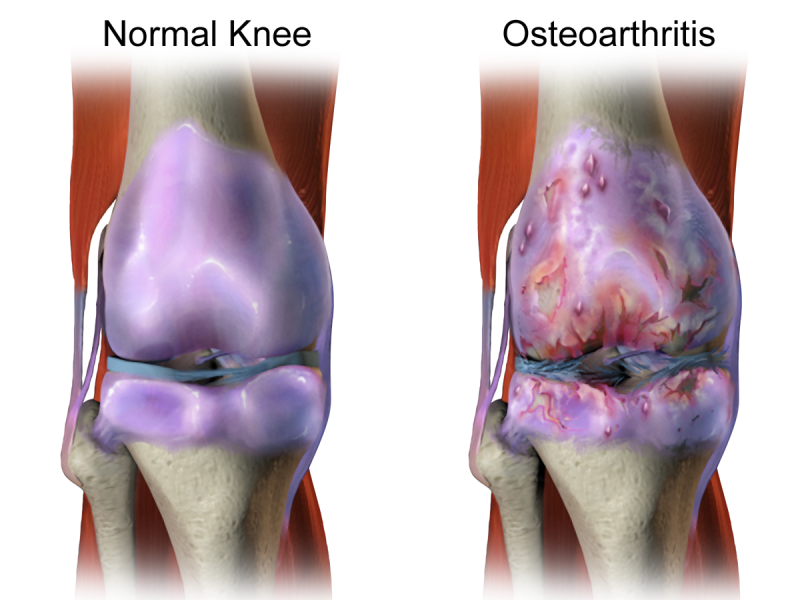
Osteoarthritis, a condition characterized by the progressive wear and tear of joint cartilage, was once considered an ailment of the elderly. However, a concerning trend shows a rising incidence in younger adults, sometimes as early as their 20s and 30s. This shift highlights the urgent need for effective and safe management strategies. While lifestyle factors remain the cornerstone of prevention and care, phytotherapy offers complementary support for managing symptoms like pain and inflammation.

This article provides an evidence-based overview of how specific herbal allies, particularly Devil’s Claw, can be integrated into a holistic plan for managing early-onset osteoarthritis, with a strong emphasis on safety and proper usage.
Understanding the Causes of Osteoarthritis in Young Adults
While genetics can play a role, the increase in youth osteoarthritis is largely driven by modern lifestyle factors. Consequently, understanding these triggers is the first step toward effective management.
- Excess Body Weight: Obesity is a primary contributor. For this reason, every extra pound of body weight places approximately four pounds of additional pressure on the knee joints. Over time, this sustained mechanical stress accelerates cartilage degradation.
- Sedentary Lifestyle: A lack of physical activity weakens the muscles that support and stabilize joints. Furthermore, prolonged sitting can lead to joint stiffness and reduced flexibility, making the cartilage more vulnerable to damage.
- Joint Injuries: High-impact sports or accidents can cause trauma to the joints, such as ligament tears or fractures. Importantly, these injuries can predispose an individual to developing post-traumatic osteoarthritis years later.
- Unhealthy Dietary Habits: A diet high in processed foods, sugar, and unhealthy fats can promote systemic inflammation, which may exacerbate the inflammatory processes within an osteoarthritic joint.
A Key Herbal Ally: Devil’s Claw (Harpagophytum procumbens)
Devil’s Claw is a plant native to Southern Africa, traditionally used for centuries to alleviate pain associated with arthritis and back conditions. Modern research has begun to validate these uses, identifying its primary active compounds, known as harpagosides, which exhibit significant anti-inflammatory and analgesic (pain-relieving) properties.
Its mechanism of action is believed to involve the inhibition of inflammatory pathways, such as cyclooxygenase-2 (COX-2), similar to some non-steroidal anti-inflammatory drugs (NSAIDs), but generally with a better gastrointestinal safety profile. According to a meta-analysis published in the journal Phytomedicine, standardized extracts of Devil’s Claw have demonstrated efficacy in reducing pain and improving physical function in individuals with osteoarthritis.
Administration Protocol and Safety Limits
For Devil’s Claw to be both effective and safe, it is crucial to adhere to a strict administration protocol. Therefore, you should never use it without clear guidelines.
| Parameter | Guideline |
| Recommended Form | Standardized capsules or tablets containing a specific amount of harpagosides. Teas are generally not potent enough for therapeutic effect. |
| Dosage | The therapeutic dose is based on the harpagoside content. Aim for a total daily intake of 50-100 mg of harpagosides, divided into two or three doses. |
| Administration Timing | Always take with food to minimize the risk of gastrointestinal upset. |
| Treatment Duration | Typically used for 8 to 12 weeks for optimal effect. Continuous use beyond this period should only be done under the supervision of a healthcare provider. |
| Maximum Daily Dose | Do not exceed the equivalent of 100 mg of harpagosides per day unless directed by a professional. Exceeding this dose increases the risk of side effects without providing additional benefit. |
Specific Biological Limitation
Gastric Acid Stimulation: Devil’s Claw contains bitter compounds that can stimulate the production of stomach acid. While this can be beneficial for individuals with poor digestion, it poses a significant risk for those with pre-existing gastrointestinal conditions.
Technical Warning: For individuals with peptic ulcers, gastritis, or gastroesophageal reflux disease (GERD), the use of Devil’s Claw is contraindicated. The increased acid production can severely aggravate these conditions, leading to increased pain, inflammation, and potential ulceration.
Contraindications and Precautions
Before considering Devil’s Claw, it is essential to review its contraindications and potential interactions.
Absolute Contraindications (Do Not Use)
- Peptic Ulcers or Gastritis: As mentioned, it can worsen these conditions.
- Gallstones: Devil’s Claw may increase bile production, which could potentially trigger a gallbladder attack in individuals with gallstones.
- Known Allergy: Do not use if you have a known allergy to Harpagophytum procumbens or other plants in the Pedaliaceae family.
Vulnerable Populations
- Pregnancy and Breastfeeding: There is insufficient safety data. Therefore, its use is not recommended.
- Children: Safety in individuals under 18 has not been established. It should not be used in children without professional medical guidance.
Major Drug Interactions
- Anticoagulants (e.g., Warfarin): Devil’s Claw may have a mild blood-thinning effect, potentially increasing the risk of bleeding when combined with these medications.
- Anti-diabetic Medications: It may lower blood sugar levels, potentially leading to hypoglycemia if taken with diabetes drugs. Close monitoring of blood glucose is essential.
- Antihypertensive Drugs: There is some evidence it may affect heart rate and blood pressure. Consult a doctor if you are taking medication for heart conditions.
Therapeutic Alternatives
If Devil’s Claw is not a suitable option, other botanicals with strong scientific backing may provide relief for osteoarthritis symptoms.
- Boswellia (Boswellia serrata): Also known as Indian Frankincense, Boswellia works by inhibiting a different inflammatory pathway (5-lipoxygenase). It is often recommended for those who cannot tolerate Devil’s Claw and has been shown in clinical trials to reduce pain and improve joint function.
- Turmeric (Curcuma longa): The active compound, curcumin, is a potent anti-inflammatory. For effective absorption, it should be combined with piperine (from black pepper). It is a well-researched option for managing inflammatory joint conditions.
- Rosehip (Rosa canina): Powdered rosehip contains a galactolipid known as GOPO, which has demonstrated anti-inflammatory and cartilage-protective properties in studies on osteoarthritis patients.
Recent Medical Research (2020-2026)
Recent research continues to reinforce the potential of these botanicals. A 2021 systematic review confirmed that Harpagophytum procumbens extracts are effective in managing pain for chronic musculoskeletal conditions, highlighting their role as a viable complementary therapy. Similarly, a 2021 meta-analysis on Boswellia found that it significantly improved pain and stiffness scores in osteoarthritis patients compared to placebo.
However, researchers note that more long-term studies are needed to establish definitive safety profiles for continuous use and to compare their efficacy directly against standard pharmaceutical treatments.
Specialist’s Summary
Devil’s Claw is a useful botanical for managing mild to moderate osteoarthritis pain in young adults, with noticeable effects often appearing after 4-8 weeks of consistent use. However, it is strictly contraindicated for individuals with peptic ulcers or gallstones and has moderate interactions with anticoagulant and anti-diabetic medications. Validated alternatives with different mechanisms of action include Boswellia serrata and high-absorption Turmeric extract.
Frequently Asked Questions
1. How long does it take for Devil’s Claw to work for joint pain?
Most clinical studies indicate that noticeable improvements in pain and mobility can be expected after 4 to 8 weeks of consistent daily use. It is not a fast-acting pain reliever; its effects are cumulative.
2. Can I replace my prescription NSAIDs with Devil’s Claw?
No. You should never stop or alter a prescribed medication without consulting your healthcare provider. Devil’s Claw can be used as a complementary therapy, but it is not a direct substitute for pharmaceuticals, especially in cases of severe osteoarthritis.
3. What is the most effective form of Devil’s Claw?
Standardized extracts in capsule or tablet form are the most reliable. These products guarantee a specific, therapeutic amount of the active compound, harpagoside. Teas and tinctures are often too weak to provide a consistent clinical effect for osteoarthritis.
4. Is Devil’s Claw safe for long-term use in young adults?
Most studies have evaluated its use for periods of up to three months. While it is generally well-tolerated for short-term use, the safety of continuous, long-term use has not been fully established. It is best to use it in cycles (e.g., 3 months on, 1 month off) under professional supervision.
Sources and References
Recent Studies (2020-2026):
- Menghini, L., et al. (2021). Devil’s Claw (Harpagophytum procumbens DC. ex Meisn.) and its potential in the treatment of rheumatic and musculoskeletal diseases. Journal of Ethnopharmacology.
- Yu, G., et al. (2021). Efficacy and safety of Boswellia serrata extract for osteoarthritis: a systematic review and meta-analysis. Phytomedicine.
Official Monographs:
- European Medicines Agency (EMA) – Harpagophyti radix
- World Health Organization (WHO) – Radix Harpagophyti
⚠️ Important Medical Information
This article is for educational and informational purposes only and is not intended as medical advice, diagnosis, or treatment. The information provided about Devil’s Claw (Harpagophytum procumbens) is based on traditional use, preliminary research, and available scientific evidence, which may be limited.
Before using Devil’s Claw:
- Consult a qualified healthcare provider, especially if you are pregnant, breastfeeding, taking medications, or have existing health conditions like peptic ulcers or gallstones.
- Do not use as a substitute for prescribed medications or professional medical treatment.
- Individual results may vary – what works for one person may not work for another.
- Monitor for adverse reactions and discontinue use if negative symptoms occur.