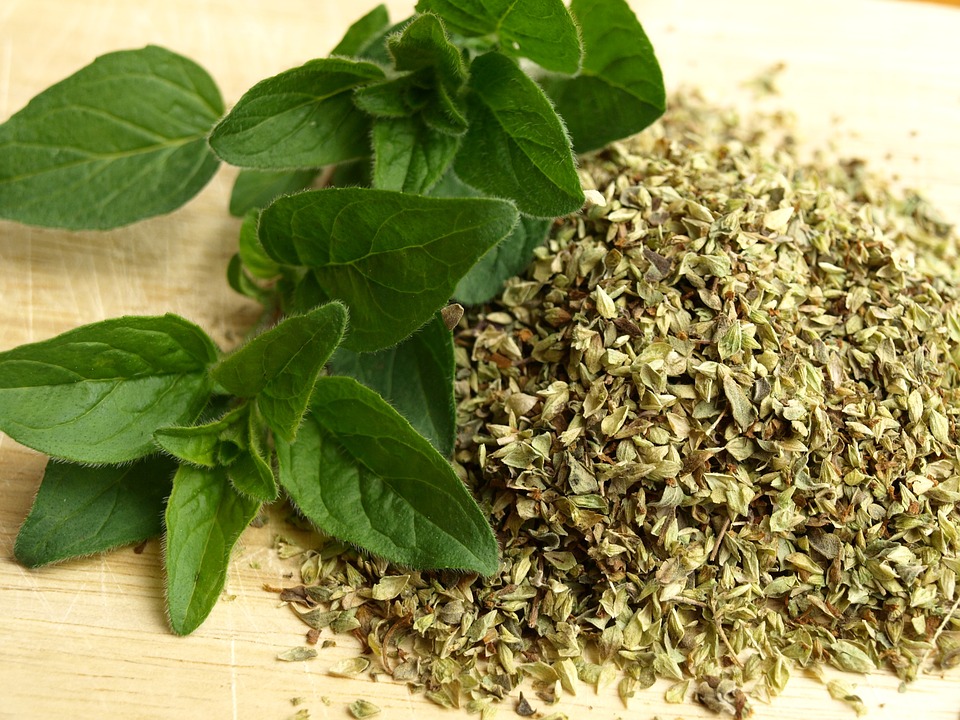
Oregano (Origanum vulgare) is a well-known culinary herb, but its traditional use extends far beyond the kitchen. For centuries, herbalists have valued it for its potent medicinal properties, particularly for addressing respiratory ailments. Modern science is now beginning to validate these traditional applications, pointing to powerful compounds within the plant that may help manage symptoms associated with the common cold, sore throats, and sinus congestion.
However, it is crucial to understand that while oregano can be a beneficial supportive remedy, it is not a substitute for professional medical treatment. This article provides an evidence-based overview of oregano tea, its potential benefits, a safe preparation method, and essential safety protocols.

The Science Behind Oregano’s Health Benefits
Oregano’s therapeutic potential is primarily attributed to its high concentration of phenolic compounds, especially carvacrol and thymol. These substances are responsible for the herb’s characteristic aroma and its significant biological activities.
- Antimicrobial Properties: Numerous in-vitro studies have demonstrated that carvacrol and thymol possess strong antimicrobial effects. For instance, research published in the journal Molecules indicates these compounds can disrupt the cell membranes of various bacteria and inhibit viral activity, which may explain oregano’s traditional use for infections.
- Anti-inflammatory Action: Inflammation is a key component of a sore throat and sinus congestion. According to a study in the Journal of Agricultural and Food Chemistry, carvacrol has been shown to inhibit inflammatory pathways in the body, potentially helping to reduce swelling and discomfort in the respiratory tract.
- Antioxidant Power: Oregano is rich in antioxidants, which help protect the body’s cells from damage caused by free radicals. This antioxidant activity supports overall immune function, which is vital when fighting off an infection.
Furthermore, some traditional texts describe oregano as an expectorant, a substance that may help loosen and expel mucus from the airways, providing relief from congestion.
Safe Oregano Tea Recipe for Respiratory Support
Preparing oregano tea is simple, but using the correct dosage is essential for both safety and effectiveness. The original recipe’s suggestion of 4-6 tablespoons is excessively high and not recommended. Instead, follow this standardized preparation.
Ingredients:
- 1-2 teaspoons of dried oregano leaves (or 1 tablespoon of fresh, chopped oregano leaves)
- 1 cup (approx. 250 ml) of boiling water
- 1 teaspoon of raw honey (optional, for taste and soothing properties)
Preparation:
- Place the dried or fresh oregano leaves into a teapot or mug.
- Pour the boiling water over the leaves.
- Cover and let the tea steep for 5 to 10 minutes. Steeping for too long can result in a bitter taste.
- Strain the leaves from the liquid.
- If desired, add honey once the tea has cooled slightly to preserve its beneficial enzymes.
- Drink the tea while it is still warm for maximum soothing effect.
Administration Protocol and Safety Limits
To use oregano tea safely as a supportive remedy, it is vital to adhere to strict guidelines on dosage and duration.
| Aspect | Guideline |
| Maximum Daily Dose | Up to 3 cups per day for a healthy adult. |
| Treatment Duration | Use for short-term, acute conditions only. Do not exceed 7-10 consecutive days of use. |
| Mandatory Break | A break of at least 14 days is required between treatment periods to prevent potential side effects. |
| Administration Condition | It is best consumed after a meal to minimize the risk of gastrointestinal irritation. |
Overdose Risk: Exceeding the recommended dose may lead to stomach upset, nausea, or irritation of the mucous membranes.
Specific Biological Limitation
The potent phenols in oregano, carvacrol and thymol, are a double-edged sword. While they provide antimicrobial benefits, they can also act as irritants. This effect is particularly relevant for the gastrointestinal tract. In high concentrations or with prolonged use, these compounds can irritate the stomach lining, potentially worsening conditions like gastritis, acid reflux, or peptic ulcers. Therefore, individuals with pre-existing digestive sensitivity should exercise extreme caution.
Contraindications and Precautions
Despite being a common herb, oregano is not suitable for everyone, especially in medicinal concentrations.
Absolute Contraindications (Do Not Use):
- Allergy: Individuals with a known allergy to oregano or other plants in the Lamiaceae family (such as mint, basil, sage, thyme, or lavender) should avoid it completely.
- Bleeding Disorders: Oregano may slow blood clotting. Consequently, it is contraindicated for individuals with bleeding disorders or those scheduled for surgery within two weeks.
Vulnerable Populations:
- Pregnancy: Oregano is not recommended during pregnancy as it may act as a uterine stimulant in medicinal doses.
- Breastfeeding: There is insufficient data on its safety during lactation. Therefore, it is best to avoid it.
- Children: The use of oregano tea for medicinal purposes is not recommended for children under 12 without professional medical guidance.
Major Drug Interactions:
- Anticoagulants and Antiplatelet Drugs (e.g., Warfarin, Aspirin): Oregano can increase the risk of bleeding when taken with these medications.
- Anti-diabetic Drugs: Oregano may lower blood sugar levels. Combining it with diabetes medication could cause hypoglycemia (dangerously low blood sugar).
When to Stop Immediately:
Discontinue use and consult a healthcare provider if you experience severe stomach pain, allergic reactions (such as rash, hives, or difficulty breathing), or signs of low blood sugar (dizziness, confusion).
Therapeutic Alternatives
If oregano tea is not suitable for you, other botanicals with strong traditional and scientific backing can provide relief for respiratory symptoms.
- Sage (Salvia officinalis): For a sore throat, a gargle made from sage tea is an excellent alternative. Sage has astringent and antimicrobial properties that can help soothe irritated throat tissues. It is recognized by the European Medicines Agency (EMA) for this specific use.
- Thyme (Thymus vulgaris): Rich in the same compound as oregano (thymol), thyme tea is a classic expectorant. It helps loosen phlegm and has antispasmodic effects, making it particularly useful for coughs associated with bronchitis.
- Marshmallow Root (Althaea officinalis): For a dry, irritating cough and sore throat, marshmallow root provides demulcent (soothing) action. It creates a protective film over mucous membranes, reducing irritation.
Recent Medical Research (2020-2026)
Modern research continues to explore the mechanisms behind oregano’s effects. While large-scale human trials are still limited, recent findings are promising.
- A 2021 review published in Frontiers in Pharmacology highlighted the potential of carvacrol as an antiviral agent, noting its ability to interfere with viral replication processes in laboratory settings. However, researchers emphasize that these results are preliminary and require human clinical trials for confirmation.
- A 2023 study in the journal Foods investigated the anti-inflammatory and antioxidant effects of oregano extract, concluding that its compounds significantly reduce inflammatory markers in cell-based models.
Current Limitations: It is important to note that the majority of compelling research on oregano has been conducted in vitro (in test tubes) or in animal models. More robust human clinical trials are needed to determine effective dosages and confirm these benefits for treating active infections in people.
Specialist’s Summary
Oregano tea is a useful traditional remedy for providing symptomatic relief from mild respiratory ailments like colds and sore throats, primarily due to its antimicrobial and anti-inflammatory compounds. Its effects are supportive and typically appear within a few days of use. However, it is contraindicated during pregnancy, for individuals with bleeding disorders, and it interacts significantly with anticoagulant and anti-diabetic medications. Validated alternatives include sage gargles for sore throats and thyme tea for coughs.
Frequently Asked Questions
1. Can I use oregano essential oil instead of tea?
No, you should never ingest oregano essential oil unless under the direct supervision of a qualified healthcare professional. It is extremely concentrated and can be toxic if used improperly. Inhalation via a diffuser is a safer method, but it must be heavily diluted and used with caution to avoid respiratory irritation.
2. How long does it take for oregano tea to work for a sore throat?
Oregano tea provides soothing, temporary relief almost immediately due to its warmth. Any potential antimicrobial or anti-inflammatory benefits for an underlying infection may take 1-3 days of consistent, safe use to become noticeable. It does not “cure” an infection but may help manage symptoms.
3. Is oregano tea safe to drink every day?
No, oregano tea should not be consumed daily for long periods. It is a potent medicinal herb intended for short-term use during acute illness (maximum 7-10 days). Chronic daily use could lead to gastrointestinal irritation or other side effects.
4. Is oregano tea safe for children?
No, the medicinal use of oregano tea is generally not recommended for children under 12. Their systems are more sensitive, and safe dosages have not been established. Always consult a pediatrician before giving any herbal remedy to a child.
Sources and References
- Suntres, Z. E., Coccimiglio, J., & Alipour, M. (2015). The bioactivity and toxicological actions of carvacrol. Critical reviews in food science and nutrition.
- Nagoor Meeran, M. F., Javed, H., Al Taee, H., Azimullah, S., & Ojha, S. K. (2021). Pharmacological Properties and Molecular Mechanisms of Carvacrol: A Promising Antitumor Agent. Frontiers in Pharmacology.
- Sharifi-Rad, M., Varoni, E. M., Iriti, M., et al. (2018). Carvacrol and human health: A comprehensive review. Phytotherapy Research.
- European Medicines Agency (EMA). Community herbal monograph on Salvia officinalis L., folium.
⚠️ Important Medical Information
This article is for educational and informational purposes only and is not intended as medical advice, diagnosis, or treatment. The information provided about Oregano (Origanum vulgare) is based on traditional use, preliminary research, and available scientific evidence, which may be limited.
Before using Oregano:
- Consult a qualified healthcare provider, especially if you are pregnant, breastfeeding, taking medications, or have existing health conditions like bleeding disorders or diabetes.
- Do not use as a substitute for prescribed medications or professional medical treatment.
- Individual results may vary – what works for one person may not work for another.
- Monitor for adverse reactions and discontinue use if negative symptoms occur.