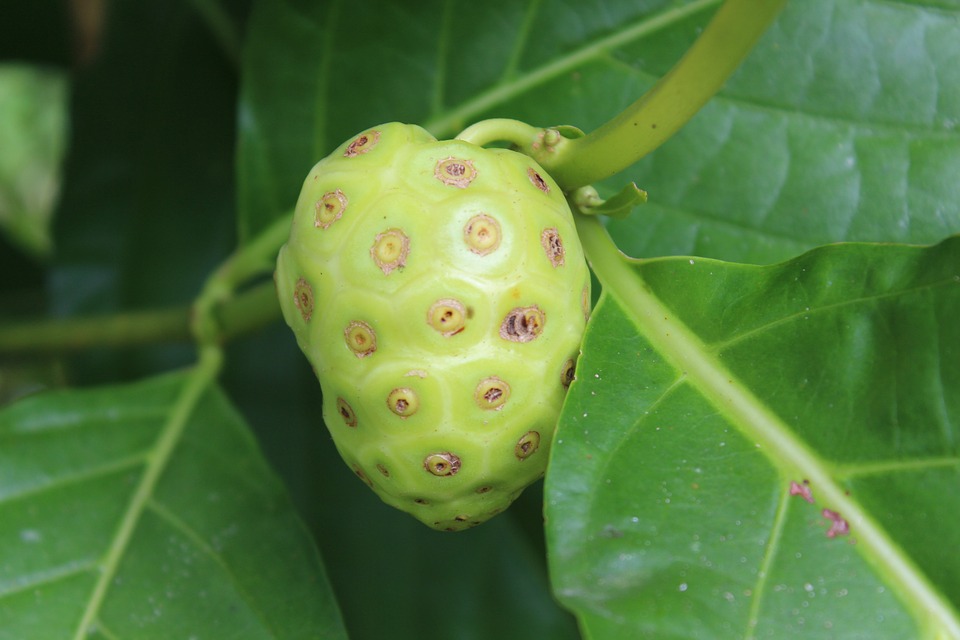
Noni (Morinda citrifolia), a fruit native to Southeast Asia and Australasia, has a long history of use in traditional Polynesian medicine. While often marketed with exaggerated claims, modern research is beginning to investigate its potential health benefits, particularly related to its rich phytochemical content. However, understanding its proper use, limitations, and safety profile is crucial for responsible consumption.
This evidence-based guide explores what science says about noni fruit, separating validated potential from unsupported hype. Furthermore, it provides clear safety protocols to help you make an informed decision in consultation with your healthcare provider.

Potential Health Benefits of Noni Fruit
The health effects of noni are primarily attributed to its diverse array of compounds, including iridoids, flavonoids, and other antioxidants. Nevertheless, it is important to note that much of the research is preliminary, and noni is not a substitute for conventional medical treatment.
1. May Help Reduce Inflammation and Joint Pain
Traditionally, noni has been used to alleviate pain and inflammation associated with conditions like arthritis. Modern research suggests this effect may be due to its antioxidant and anti-inflammatory properties. For instance, a study published in the journal Foods in 2020 indicated that noni fruit extract could modulate inflammatory pathways in laboratory settings. Clinical observations suggest that regular consumption of noni juice may help reduce pain and improve mobility in some individuals with osteoarthritis, though larger-scale human trials are needed to confirm these findings.
2. Supports Immune System Function
Noni is rich in antioxidants, such as vitamin C and other phytonutrients, which help protect the body’s cells from damage caused by free radicals. Consequently, this antioxidant activity supports the overall function of the immune system. Some preclinical studies suggest that compounds in noni may enhance the activity of certain immune cells. However, this does not mean it can prevent or cure diseases; rather, it may contribute to the body’s natural defense mechanisms as part of a healthy lifestyle.
3. Potential Cardiovascular and Metabolic Support
Preliminary research indicates that noni may offer benefits for cardiovascular health. Specifically, some studies suggest it can help support healthy blood pressure levels, possibly by promoting the production of nitric oxide, which helps relax and widen blood vessels. Additionally, a 2018 clinical trial published in the Scientific World Journal found that daily consumption of noni juice was associated with improvements in cholesterol levels and markers of inflammation in smokers. Despite these promising results, individuals with cardiovascular conditions should not use noni as a replacement for prescribed medication.
4. Aids Digestive Health
Like many fruits, noni is a source of dietary fiber, which is essential for maintaining a healthy digestive system. Fiber promotes regular bowel movements and supports a healthy gut microbiome. In traditional medicine, noni was often used as a digestive aid. While it can contribute to digestive wellness, it is not a specific treatment for conditions like Irritable Bowel Syndrome (IBS) or hemorrhoids.
Administration Protocol and Safety Limits
Proper dosing and duration are critical for using noni safely and effectively. Therefore, you should always follow established guidelines and consult a healthcare professional.
| Protocol | Guideline |
|---|---|
| Maximum Daily Dose (Healthy Adult) | Up to 750 mL (approx. 25 ounces) of pasteurized noni juice, or 500-1000 mg of powdered extract. |
| Treatment Duration | Up to 90 days of continuous use. |
| Mandatory Break | A minimum 2-week break is recommended after each 90-day cycle to prevent potential accumulation of compounds. |
| Administration Condition | For best absorption, consume on an empty stomach, at least 30 minutes before a meal. |
Overdose Risk: Exceeding the recommended dose, particularly with unpasteurized or homemade preparations, may increase the risk of liver or kidney stress.
Specific Biological Limitation
High Potassium Content: Noni fruit is naturally very high in potassium. While this mineral is essential for health, excessive intake can be dangerous for certain individuals. This effect can lead to hyperkalemia (abnormally high potassium levels in the blood), a serious condition that can affect heart rhythm.
Technical Warning: Individuals with any stage of chronic kidney disease (CKD), those on dialysis, or people taking potassium-sparing diuretics or ACE inhibitors must avoid noni fruit and its products entirely due to the high risk of life-threatening hyperkalemia.
Contraindications and Precautions
Despite its traditional use, noni is not safe for everyone. It is crucial to be aware of the following contraindications.
- Absolute Contraindications: Do not use noni if you have kidney disease or liver disease. There are rare case reports of hepatotoxicity (liver damage) linked to noni consumption, although a direct causal link has not been definitively established.
- Pregnancy and Breastfeeding: Avoid noni during pregnancy and breastfeeding due to a lack of safety data and its traditional use to stimulate menstruation.
- Children: The safety of noni in children has not been established. Therefore, it is not recommended for pediatric use without professional medical supervision.
Major Drug Interactions
- Antihypertensive Drugs: Because noni may lower blood pressure, combining it with blood pressure medication could cause hypotension (blood pressure dropping too low).
- Anticoagulants (Blood Thinners): Noni may have mild antiplatelet effects. Consequently, using it with drugs like warfarin or clopidogrel could theoretically increase the risk of bleeding.
- Potassium-Sparing Diuretics and ACE Inhibitors: As mentioned, combining these drugs with high-potassium noni significantly increases the risk of hyperkalemia.
Therapeutic Alternatives
If noni is not suitable for you, other botanicals with stronger scientific backing may offer similar benefits for inflammation and immune support.
- Turmeric (Curcuma longa): A well-researched anti-inflammatory herb. Its active compound, curcumin, is extensively studied for its benefits in managing joint pain, particularly in osteoarthritis.
- Boswellia (Boswellia serrata): Also known as Indian frankincense, Boswellia has strong evidence supporting its use for reducing inflammation and pain in joint conditions, often with fewer side effects than conventional anti-inflammatory drugs.
- Elderberry (Sambucus nigra): For immune support, elderberry has been studied for its potential to reduce the duration and severity of cold and flu symptoms, backed by several clinical trials.
Recent Medical Research (2020-2026)
Recent studies continue to explore the mechanisms behind noni’s traditional uses. A 2020 systematic review published in Foods summarized the anti-inflammatory and antioxidant effects of Morinda citrifolia, confirming its potential but also highlighting the need for more robust, long-term human clinical trials to establish clear therapeutic guidelines. Research is also investigating its impact on metabolic health, but findings remain preliminary. The current scientific consensus is that while noni shows promise as a functional food, it is not a “cure-all” and requires further investigation.
Specialist’s Summary
Noni (Morinda citrifolia) is a traditional fruit whose juice may offer moderate support for managing inflammation and supporting general immune health due to its antioxidant content. However, its benefits are not definitively proven and it is absolutely contraindicated for individuals with kidney or liver conditions due to high potassium levels and rare reports of toxicity. For inflammation, validated alternatives like Turmeric and Boswellia often present a more evidence-based and safer choice.
Frequently Asked Questions
1. Can I drink noni juice every day?
Daily consumption for up to 90 days is generally considered safe for healthy adults within the recommended dosage (up to 750 mL/day). However, it is essential to take a mandatory break of at least two weeks after this period and to avoid it completely if you have kidney or liver issues.
2. What are the main side effects of noni?
For most healthy people, noni juice causes few side effects, which may include mild digestive upset or a laxative effect. The most serious potential risks are hyperkalemia (high potassium) in those with kidney disease and, in very rare cases, liver toxicity.
3. Can noni juice help with arthritis pain?
Some preliminary studies and traditional use suggest noni may help reduce the pain and inflammation associated with osteoarthritis. However, the evidence is not as strong as for other botanicals like turmeric or boswellia. It should be considered a complementary approach, not a primary treatment.
4. Is noni safe for children, during pregnancy, or while breastfeeding?
No, noni is not recommended for these vulnerable populations. Its safety in children has not been studied. It should be avoided during pregnancy due to its traditional use as an emmenagogue (to stimulate menstrual flow) and during breastfeeding because its compounds may pass into breast milk.
Sources and References
- Almeida, E., de Oliveira, D., & Hotza, D. (2020). Properties and Applications of Noni (Morinda citrifolia): A Review. Foods, 9(12), 1908. https://www.mdpi.com/2304-8158/9/12/1908
- West, B. J., Jensen, C. J., & Palu, A. K. (2018). The Effects of Noni Juice on Cholesterol Levels: A Mechanistic and Clinical Study. The Scientific World Journal, 2018, 5903275. https://www.hindawi.com/journals/tswj/2018/5903275/
- World Health Organization (WHO). (1998). Medicinal Plants in the Pacific. WHO Regional Publications, Western Pacific Series No. 19.
⚠️ Important Medical Information
This article is for educational and informational purposes only and is not intended as medical advice, diagnosis, or treatment. The information provided about Noni Fruit (Morinda citrifolia) is based on traditional use, preliminary research, and available scientific evidence, which may be limited.
Before using Noni Fruit:
- Consult a qualified healthcare provider, especially if you are pregnant, breastfeeding, taking medications, or have existing health conditions like kidney or liver disease.
- Do not use as a substitute for prescribed medications or professional medical treatment.
- Individual results may vary – what works for one person may not work for another.
- Monitor for adverse reactions and discontinue use if negative symptoms occur.