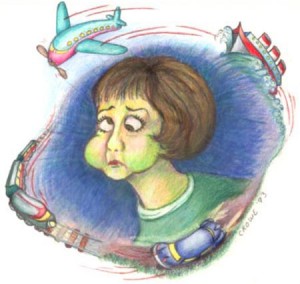
Motion sickness, clinically known as kinetosis, is a common and distressing condition affecting both children and adults during travel. It arises from a sensory conflict between the visual system and the vestibular system in the inner ear, which is responsible for balance. Consequently, the brain receives contradictory signals about movement, leading to symptoms such as nausea, dizziness, cold sweats, fatigue, and vomiting. While this condition can significantly disrupt travel plans, several evidence-based natural remedies may help manage its symptoms effectively and safely.

Ginger (Zingiber officinale): The Primary Botanical for Nausea Control
Ginger is one of the most extensively studied and validated herbal remedies for nausea, including that associated with motion sickness. Its therapeutic effects are primarily attributed to active compounds like gingerols and shogaols. These compounds are believed to influence serotonin receptors in the digestive tract and the central nervous system, thereby helping to suppress the nausea reflex.
Administration Protocol and Safety Limits
* **Treatment Duration:** Ginger should be used acutely for travel-related nausea, not as a continuous daily supplement without medical guidance.
* **Mandatory Break:** Not applicable for short-term, intermittent use.
* **Maximum Treatments per Year:** Use as needed for travel.
Dosage and Administration
- Form: Dried ginger powder in capsules is the most studied form for efficacy.
- Maximum Daily Dose for a Healthy Adult: 4 grams of dried ginger powder.
- Dose per Administration: 1 to 2 grams of dried ginger powder.
- Frequency: Take a single dose 30-60 minutes before beginning your journey.
- Overdose Risk: Exceeding 4 grams per day significantly increases the risk of gastrointestinal side effects such as heartburn, diarrhea, and stomach irritation.
- Administration Condition: It can be taken with a small amount of food or water to minimize potential stomach upset.
Specific Biological Limitation
Antiplatelet Activity: Ginger contains compounds that can inhibit platelet aggregation, which is the process of blood clotting. While this effect is generally mild, it becomes clinically significant for individuals with bleeding disorders or those taking anticoagulant medications, as it can potentiate the risk of bleeding.
Contraindications and Precautions
- Absolute Contraindications: Individuals with known bleeding disorders or those scheduled for surgery within two weeks should avoid ginger supplements.
- Vulnerable Populations:
- Pregnancy: While often used for morning sickness, high doses should be avoided. Consult a healthcare provider before use.
- Children: Dosing for children under 6 should be determined by a pediatrician.
- Major Drug Interactions: Ginger can interact with medications that affect blood clotting.
Drug Class Interaction Mechanism and Consequence Anticoagulants (e.g., Warfarin) Ginger’s antiplatelet effect can increase the International Normalized Ratio (INR), heightening the risk of bleeding. Antiplatelet Drugs (e.g., Aspirin, Clopidogrel) There is an additive effect, which may increase the risk of bruising and bleeding. - Documented Adverse Effects: The most common side effects are mild and include heartburn, belching, and abdominal discomfort, especially at higher doses.
- When to Stop Immediately: Discontinue use if you experience signs of an allergic reaction (rash, itching) or unusual bleeding or bruising.
Peppermint (Mentha piperita): A Soothing Aromatic Aid
Peppermint is another well-regarded herb for digestive complaints. Its primary active component, menthol, has antispasmodic properties that can help relax the stomach muscles. Furthermore, the aroma of peppermint itself has been shown to reduce feelings of nausea.
Administration Protocol and Safety Limits
* **Treatment Duration:** Intended for acute, short-term use during travel.
* **Administration Methods:**
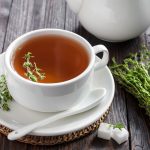
- Peppermint Tea: Drink one cup of freshly brewed peppermint tea 30 minutes before travel.
- Aromatic Inhalation: Place 1-2 drops of high-quality peppermint essential oil on a tissue and inhale gently as needed. Never ingest pure essential oil.
* **Safety Limits:** Ingesting peppermint essential oil is toxic and can cause severe adverse effects, including kidney failure and seizures. Only use it for inhalation.
Specific Biological Limitation
Lower Esophageal Sphincter (LES) Relaxation: Menthol relaxes smooth muscles, including the sphincter that separates the esophagus from the stomach. For individuals with gastroesophageal reflux disease (GERD), this can worsen symptoms of heartburn and acid reflux.
Contraindications and Precautions
- Absolute Contraindications: Individuals with severe liver disease, gallbladder obstruction, or G6PD deficiency should avoid peppermint.
- Vulnerable Populations:
- Pregnancy and Breastfeeding: Peppermint tea is generally considered safe in moderation, but supplements and essential oils should be avoided.
- Infants and Young Children: Do not apply peppermint oil near the face of infants or young children, as the menthol can cause life-threatening breathing difficulties (laryngospasm).
- Major Drug Interactions: Peppermint may interact with medications metabolized by the liver (e.g., cyclosporine) and can reduce the absorption of iron supplements.
- When to Stop Immediately: Discontinue use if you experience a significant worsening of heartburn or an allergic reaction.
Therapeutic Alternatives
If herbal remedies are unsuitable or unavailable, other strategies can be effective.
Non-Pharmacological Strategies
- Acupressure: Applying steady pressure to the P6 (Neiguan) acupressure point on the inner wrist has been shown to relieve nausea. Commercially available wristbands are designed for this purpose.
- Visual Fixation: Focus your gaze on a stable point on the horizon. Avoid reading or using screens while in motion.
- Dietary Choices: Before and during travel, opt for light, non-greasy snacks. Avoid heavy meals, spicy foods, and alcohol.
Pharmacological Options
Over-the-counter antihistamines such as dimenhydrinate or meclizine are effective for preventing motion sickness. For more severe cases, a doctor may prescribe a scopolamine patch. Always consult a healthcare professional or pharmacist to ensure these medications are appropriate for you.
Recent Medical Research (2020-2026)
Recent research continues to affirm the efficacy of ginger for nausea and vomiting. A 2020 meta-analysis published in the *Journal of Clinical Medicine* reinforced that ginger is a safe and effective treatment for various types of nausea. While most modern studies focus on chemotherapy-induced or pregnancy-related nausea, the underlying antiemetic mechanisms are relevant to motion sickness. Current research limitations include a lack of large-scale, standardized clinical trials focusing specifically on kinetosis in diverse populations.
Specialist’s Summary
Ginger is the most robust herbal option for managing motion sickness, with moderate to strong effects that appear within an hour of consumption. It is contraindicated for individuals with bleeding disorders and interacts significantly with anticoagulant medications. Peppermint offers milder support, primarily through its aromatic and muscle-relaxing properties, but should be avoided by those with GERD. Validated non-herbal alternatives include P6 acupressure and conventional antihistamines.
Frequently Asked Questions
How quickly does ginger work for motion sickness?
For most individuals, taking a dose of ginger 30 to 60 minutes before travel is effective. Its effects are due to its direct action on the gastrointestinal tract and central nervous system.
Can I use peppermint essential oil for my child’s car sickness?
No. Peppermint essential oil should never be applied near the face of infants or young children due to the risk of severe respiratory distress. A safer option for children is to consult a pediatrician about appropriate dosing for ginger or an over-the-counter medication.
Are there any other effective herbal remedies for motion sickness?
While other herbs like chamomile are sometimes suggested for their calming effects on the stomach, ginger and peppermint have the strongest scientific evidence specifically for nausea control related to motion sickness. It is best to rely on remedies with proven efficacy and well-understood safety profiles.
Sources and References
- Crichton, M., et al. (2020). Oral ginger (Zingiber officinale) for the prevention of chemotherapy-induced nausea and vomiting in adults: A systematic review and meta-analysis. Journal of Clinical Medicine.
- Grzanna, R., Lindmark, L., & Frondoza, C. G. (2005). Ginger—an herbal medicinal product with broad anti-inflammatory actions. Journal of medicinal food.
- European Medicines Agency (EMA). (2012). Community herbal monograph on Zingiber officinale Rosc., rhizoma.
- World Health Organization (WHO). (1999). WHO Monographs on Selected Medicinal Plants – Vol. 1: Rhizoma Zingiberis.