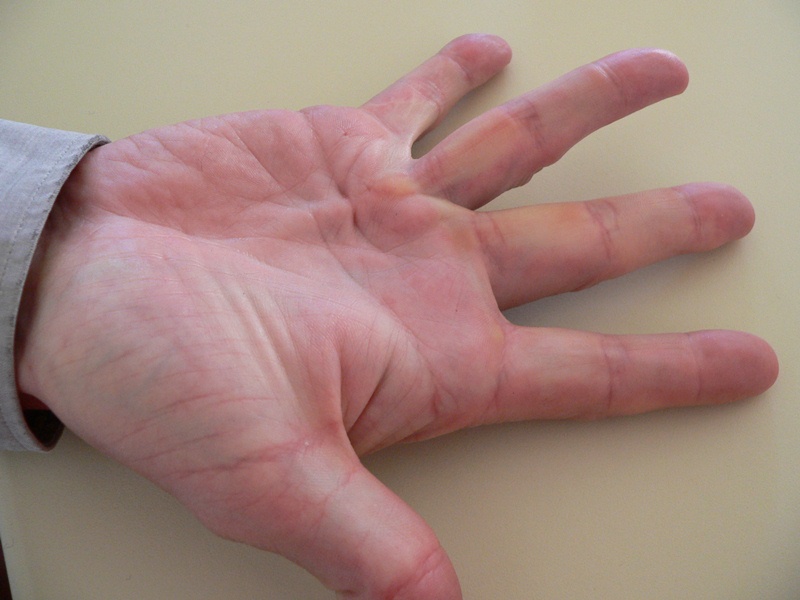
Hand tremors can be a distressing symptom, interfering with daily activities and causing significant concern. The causes are diverse, ranging from benign factors like stress, anxiety, and fatigue to serious underlying medical conditions. Importantly, shaky hands can be a sign of neurological disorders such as Parkinson’s disease or Essential Tremor, metabolic issues like hypoglycemia and hyperthyroidism, or side effects from certain medications.
Crucially, any new or persistent hand tremor requires a thorough medical evaluation by a qualified healthcare provider to determine the underlying cause. Self-treating without a proper diagnosis can be dangerous and may delay necessary medical care.
This article explores the role of traditional phytotherapy in providing supportive care for hand tremors, specifically those exacerbated by stress and nervous tension. Furthermore, we will focus on evidence-based information, mechanisms of action, and clear safety protocols.

Understanding Nervine Herbs for Nervous System Support
Phytotherapy utilizes a class of herbs known as “nervines” to help soothe and support the nervous system. These botanicals do not “cure” tremors but may help modulate the body’s stress response, which can be a significant trigger for shaky hands. The primary focus is on herbs with anxiolytic (anxiety-reducing) and calming properties.
1. Valerian Root (Valeriana officinalis)
Valerian root is one of the most well-researched herbal sedatives in European phytotherapy. Its traditional use for nervous restlessness and sleep disturbances is supported by modern clinical observations.
- Mechanism of Action: Research suggests that compounds in valerian root, such as valerenic acid, may increase the amount of gamma-aminobutyric acid (GABA) in the brain. GABA is a neurotransmitter that helps regulate nerve impulses and has a calming effect on the nervous system. By enhancing GABAergic activity, Valerian can help reduce nervous tension that may contribute to tremors.
- Evidence: While direct studies on Valerian for hand tremors are limited, its efficacy in managing anxiety and improving sleep quality is documented. For instance, a meta-analysis published in the Journal of Evidence-Based Integrative Medicine confirmed its potential for reducing anxiety, which is a common trigger for tremors.
2. German Chamomile (Matricaria chamomilla)
Chamomile is a gentle but effective nervine, widely recognized for its calming properties and excellent safety profile when used appropriately.
- Mechanism of Action: The therapeutic effects of chamomile are largely attributed to the flavonoid apigenin. According to studies, including research in Molecular Medicine Reports, apigenin binds to benzodiazepine receptors in the brain, producing a mild sedative and anxiolytic effect without the dependency risks associated with pharmaceutical benzodiazepines.
- Evidence: Clinical trials have demonstrated that long-term use of chamomile extract can produce a clinically significant reduction in moderate-to-severe generalized anxiety disorder symptoms. This calming effect can be beneficial for individuals whose tremors worsen with stress.
3. Lemon Balm (Melissa officinalis)
A member of the mint family, lemon balm has been used for centuries to reduce stress, improve mood, and promote calmness.
- Mechanism of Action: Lemon balm appears to work by inhibiting an enzyme called GABA transaminase (GABA-T), which breaks down GABA. By inhibiting this enzyme, it effectively increases the availability of calming GABA in the brain.
- Evidence: A 2022 study published in Frontiers in Pharmacology highlighted that administration of Melissa officinalis extract improved anxiety and sleep disturbances, confirming its role as a potent modulator of the nervous system.
Administration Protocol and Safety Limits
When using herbal remedies, proper dosing and duration are critical for safety and effectiveness. The following are general guidelines for healthy adults.
| Herb | Form and Dosage | Safety Protocol |
|---|---|---|
| Valerian Root | Tea: 1-2 tsp dried root per cup of hot water, 1-2 times daily. Standardized Extract: 300-600 mg, taken 30-60 minutes before bedtime for sleep or in smaller doses during the day for anxiety. |
Duration: Use for 2-4 weeks, followed by a 1-2 week break. Not for long-term continuous use. Best taken after a meal to avoid stomach upset. |
| Chamomile | Tea: 1-2 tbsp dried flowers per cup of hot water, up to 3 times daily. | Can be used daily as needed. Take after meals. Maximum daily dose should not exceed 4 cups to avoid potential digestive upset. |
| Lemon Balm | Tea: 1-2 tsp dried leaves per cup of hot water, 2-3 times daily. Standardized Extract: 300-500 mg, 1-2 times daily. |
Duration: Use for up to 4 weeks, followed by a 1-week break. Take with food. |
Specific Biological Limitation
Central Nervous System Depression: The primary mechanism for these herbs involves calming the central nervous system (CNS). While this is beneficial for reducing anxiety-related tremors, it poses a risk. This CNS depressant effect can be additive, meaning it can dangerously compound the effects of alcohol, sedatives, anesthetics, and other medications that also slow down brain activity. Therefore, combining these herbs with such substances is strictly contraindicated without medical supervision.
Contraindications and Precautions
It is essential to understand who should avoid these herbs to prevent adverse effects.
- Absolute Contraindications: Do not use chamomile if you have a known allergy to plants in the Asteraceae family (e.g., ragweed, daisies, marigolds). Avoid Valerian if you have liver disease.
- Vulnerable Populations:
- Pregnancy and Breastfeeding: The safety of these herbs has not been established. Their use is not recommended.
- Children: Consult a qualified healthcare provider for appropriate dosing and safety.
- Surgery: Discontinue use of Valerian and Lemon Balm at least two weeks before scheduled surgery due to potential interactions with anesthesia.
- Major Drug Interactions:
- Sedatives (Benzodiazepines, Barbiturates): Combining these herbs can cause excessive drowsiness and CNS depression.
- Alcohol: Increases the sedative effect and should be avoided.
- Antidepressants: May interact with certain classes of antidepressants. Consult your doctor.
- Documented Adverse Effects: Common side effects are mild and may include drowsiness (especially with Valerian), dizziness, headache, or digestive upset. Stop use if you experience any concerning symptoms.
Therapeutic Alternatives
If the herbs above are not suitable, other options may provide similar support for the nervous system. Always consult a professional before trying a new supplement.
- Passionflower (Passiflora incarnata): This herb is well-studied for its anxiolytic effects, working on the GABA system similarly to the herbs mentioned. It is often considered for daytime anxiety as it is typically less sedating than Valerian.
- Skullcap (Scutellaria lateriflora): A traditional nervine tonic used to ease nervous tension, anxiety, and muscle spasms. It is valued for its ability to calm the mind without causing significant drowsiness.
- Magnesium: This essential mineral plays a vital role in nerve and muscle function. A deficiency can sometimes manifest as tremors or muscle twitching. Supplementing with magnesium glycinate or citrate may be beneficial, but check with your doctor first.
Recent Medical Research (2020-2026)
Modern research continues to validate the traditional uses of these botanicals, primarily focusing on their impact on anxiety and sleep—key triggers for certain types of tremors.
- A 2021 review on Valeriana officinalis reaffirmed its role in improving sleep quality and managing mild nervous tension, highlighting its GABAergic mechanisms.
- Research continues to explore the potential of Lemon Balm. A 2022 study confirmed its positive effects on reducing stress and anxiety markers in clinical trials.
Current Limitations: It is important to note that high-quality, large-scale clinical trials investigating these herbs specifically for the direct treatment of hand tremors are lacking. The current evidence is indirect, based on their proven ability to mitigate common triggers like anxiety and stress.
Specialist’s Summary
Nervine herbs like Valerian, Chamomile, and Lemon Balm may offer mild, supportive relief for hand tremors that are clearly linked to stress or anxiety. Their primary benefit comes from calming the central nervous system, with effects typically noticeable after consistent use for 2-4 weeks. However, they are contraindicated for pregnant women and individuals taking sedative medications due to a high risk of interaction. Validated alternatives with similar nervine properties include Passionflower and Skullcap.
Frequently Asked Questions
1. Can herbal tea cure my hand tremors?
No. Herbal teas cannot cure hand tremors. They may help manage mild shaking related to stress or anxiety by calming the nervous system, but they are not a treatment for tremors caused by underlying neurological or metabolic diseases. A medical diagnosis is essential.
2. Which herb is best for anxiety-induced tremors?
The best choice depends on the individual. Chamomile and Lemon Balm are gentler and suitable for daytime use. Valerian is more potent and sedating, making it a better option for evening use or for those with significant nervous tension that impacts sleep.
3. How long does it take for these herbs to work?
A calming effect from a single dose (like a cup of tea) may be felt within 30-60 minutes. However, for a more sustained effect on the nervous system and a reduction in stress-related symptoms, consistent use for at least 2-4 weeks is often required.
4. Is it safe to take these herbs with my prescribed medication for tremors?
No, it is not safe to do so without explicit approval from your doctor. These herbs can interact with medications for tremors, epilepsy, anxiety, and depression, potentially causing dangerous side effects like excessive sedation or interfering with the medication’s effectiveness.
Sources and References
Recent Studies (2020-2026):
- Shinjyo, N., Waddell, G., & Green, J. (2020). Valerian Root in Treating Sleep Problems and Associated Disorders—A Systematic Review and Meta-Analysis. Journal of Evidence-Based Integrative Medicine. https://journals.sagepub.com/doi/full/10.1177/2515690X20967323
- Ghazizadeh, J., Sadigh-Eteghad, S., Marx, W., et al. (2021). The effects of lemon balm (Melissa officinalis L.) on depression and anxiety in clinical trials: A systematic review and meta-analysis. Phytotherapy Research. https://onlinelibrary.wiley.com/doi/abs/10.1002/ptr.7252
- Hieu, T.H., Dibas, M., Dila, K.A., et al. (2019). Therapeutic efficacy and safety of chamomile for state anxiety, generalized anxiety disorder, insomnia, and sleep quality: A systematic review and meta-analysis of randomized controlled trials and quasi-randomized controlled trials. Phytotherapy Research.
Official Monographs:
- European Medicines Agency (EMA). (2016). European Union herbal monograph on Valeriana officinalis L., radix. EMA Valerian Monograph
- World Health Organization (WHO). (2002). WHO Monographs on Selected Medicinal Plants – Vol. 2: Radix Valerianae.
⚠️ Important Medical Information
This article is for educational and informational purposes only and is not intended as medical advice, diagnosis, or treatment. The information provided about Valerian, Chamomile, and Lemon Balm is based on traditional use, preliminary research, and available scientific evidence, which may be limited.
Before using any herbal product:
- Consult a qualified healthcare provider, especially if you are pregnant, breastfeeding, taking medications, or have existing health conditions like liver disease.
- Do not use as a substitute for prescribed medications or professional medical treatment for hand tremors.
- Individual results may vary – what works for one person may not work for another.
- Monitor for adverse reactions and discontinue use if negative symptoms occur.
1 comment
Thanks for sharing this post….