Evidence-Based Natural Approaches to Support Gingivitis Management

by Andreea Smiterson
0 comments
A+A-
Reset

Gingivitis is an inflammatory condition of the gums, often characterized by redness, swelling, and bleeding during brushing. If left unaddressed, it can progress to more severe periodontal disease, potentially leading to tooth and bone loss. The primary cause of gingivitis is the accumulation of bacterial plaque, a sticky biofilm of food particles and microbes, at the gumline. Therefore, the cornerstone of prevention and management remains diligent oral hygiene, including brushing at least twice daily, flossing, and regular professional dental cleanings.

Alongside conventional dental care, several natural remedies can serve as supportive (adjuvant) therapies to help manage gum inflammation and reduce oral bacteria. However, it is crucial to approach these remedies with a clear understanding of their proper use, limitations, and safety protocols. They are not a substitute for professional dental evaluation and treatment.

1. Saline (Sea Salt) Rinses

A saline rinse is a traditional, simple, and effective method for temporarily soothing inflamed gums and creating an oral environment less hospitable to bacteria. The salt water works through osmosis, drawing out excess fluid from swollen gum tissues, which can help reduce inflammation.

Administration Protocol and Safety Limits

Protocol Specification
Preparation Dissolve 1/2 teaspoon of sea salt in 8 ounces (240 ml) of warm water.
Frequency Use 2-3 times per day, especially after meals.
Method Swish the solution gently in your mouth for 30 seconds, then spit it out completely. Do not swallow the solution.
Treatment Duration Use for up to 14 days. If symptoms persist, consult a dentist.

Specific Biological Limitation

Saline rinses offer symptomatic relief and temporary antimicrobial action but do not address the root cause of gingivitis, which is hardened plaque (calculus). Consequently, they cannot replace mechanical cleaning (brushing and flossing) or professional scaling. Overuse or using a hyper-concentrated solution can lead to oral tissue irritation and dehydration.

Contraindications and Precautions

  • Absolute Contraindications: Individuals on sodium-restricted diets or with severe hypertension should consult their physician before use, due to the risk of accidental ingestion.
  • Vulnerable Populations: Not recommended for young children who may accidentally swallow the solution.
  • Adverse Effects: Prolonged use may cause dryness or irritation of the oral mucosa. Stop use if these symptoms occur.

2. Green Tea (Camellia sinensis) Mouthwash

Green tea is rich in polyphenols, particularly a catechin called epigallocatechin-3-gallate (EGCG). These compounds have demonstrated significant anti-inflammatory and antimicrobial properties. As a result, using green tea as a mouthwash may help inhibit the growth of pathogenic bacteria in the mouth and reduce gum inflammation.

Natural Treatments for Gingivitis

Administration Protocol and Safety Limits

Protocol Specification
Preparation Steep one green tea bag in a cup of hot (not boiling) water for 3-5 minutes. Allow it to cool completely.
Frequency Use as a mouthwash twice daily, after brushing.
Method Swish the cooled tea in your mouth for 30-60 seconds, then spit it out.
Treatment Duration Can be used long-term as part of a daily oral hygiene routine.

Specific Biological Limitation

The tannins in green tea can cause temporary tooth staining with prolonged use. This is typically superficial and can be managed with regular dental cleanings and proper brushing. The benefits for gingivitis are primarily linked to topical application (rinsing); while drinking green tea is healthy, its direct effect on gum health is less pronounced than using it as a mouthwash.

Contraindications and Precautions

  • Absolute Contraindications: Individuals with a known allergy to tea.
  • Major Drug Interactions: If drinking large quantities of green tea (not just rinsing), be aware of potential interactions with blood thinners (like warfarin) due to its vitamin K content, and with certain heart and blood pressure medications due to its caffeine content.
  • Adverse Effects: The primary adverse effect is extrinsic tooth staining.

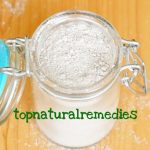
3. Baking Soda (Sodium Bicarbonate) Paste

Baking soda acts as a gentle abrasive to help remove surface stains and plaque. Furthermore, it helps neutralize acids in the mouth produced by plaque bacteria, thereby reducing the risk of tooth decay and creating a less favorable environment for gum disease.

Administration Protocol and Safety Limits

Protocol Specification
Preparation Mix a small amount of baking soda (about 1/4 teaspoon) with enough water to form a paste.
Frequency Use no more than 2-3 times per week to avoid excessive abrasion.
Method Apply the paste to your toothbrush and brush gently for one minute, focusing on the gumline. Rinse thoroughly.

Specific Biological Limitation

Baking soda is abrasive. While it is less abrasive than many commercial toothpastes, overuse can potentially wear down tooth enamel over time. It also lacks fluoride, an essential mineral for preventing dental cavities. For this reason, it should not completely replace your regular fluoride toothpaste.

Contraindications and Precautions

  • Absolute Contraindications: Do not use on dental restorations like veneers or crowns without consulting a dentist, as it may scratch the surface.
  • Vulnerable Populations: Individuals with sensitive teeth or receding gums should use it with extreme caution or avoid it altogether.
  • Adverse Effects: Can cause gum irritation or increased tooth sensitivity if used too frequently or with excessive pressure.

Dietary Support for Healthy Gums

A balanced diet plays a foundational role in maintaining oral health. Certain foods offer specific benefits that can support your body’s ability to fight gum inflammation.

  • Vitamin C-Rich Foods: Vitamin C is a powerful antioxidant and is essential for collagen synthesis, a key protein for maintaining the integrity of your gums. A deficiency can lead to weakened gums that are more susceptible to infection. Include foods like oranges, kiwi, strawberries, bell peppers, and broccoli in your diet.
  • Cranberry Juice: Unsweetened cranberry juice contains compounds called proanthocyanidins, which interfere with the ability of bacteria to adhere to tooth surfaces. Drinking about 4 ounces (120 ml) of unsweetened cranberry juice daily may help reduce plaque formation. However, ensure it is sugar-free, as sugary juices will counteract any potential benefits.

Therapeutic Alternatives

If the above options are not suitable, other botanicals have shown promise in supporting oral health:

  1. Aloe Vera: Medically reviewed studies have shown that Aloe vera gel, used as a mouthwash or applied topically, can reduce gingival inflammation and bleeding due to its anti-inflammatory and antibacterial properties. It is generally very gentle on oral tissues.
  2. Sage (Salvia officinalis): Sage has a long history of use in traditional medicine for oral ailments. A sage-based mouthwash can offer antimicrobial and anti-inflammatory effects, helping to reduce bacteria associated with plaque.

Note: Each alternative has its own specific contraindications and should be researched before use.

Recent Medical Research (2020-2026)

Modern research continues to validate the use of certain natural compounds in oral care. Recent studies highlight the efficacy of herbal ingredients in commercial and homemade preparations.

  • A 2022 Systematic Review published in the journal Molecules concluded that various plant extracts, including those from tea, pomegranate, and chamomile, demonstrate significant potential in managing gingivitis by inhibiting plaque and reducing inflammation.
  • Research in the Foods journal (2023) reaffirmed the role of dietary polyphenols, such as those in cranberries and green tea, in modulating the oral microbiome and preventing the adhesion of pathogenic bacteria.

Current Limitations: While promising, many studies are preliminary. More large-scale human clinical trials are needed to establish standardized dosages and long-term efficacy for many herbal remedies. These approaches should complement, not replace, standard dental care.

Specialist’s Summary

Natural remedies like saline rinses and green tea mouthwash can be useful for providing symptomatic relief and reducing bacterial load in early-stage gingivitis. Their effects are supportive and appear with consistent use alongside excellent oral hygiene. These methods are contraindicated in specific situations, such as for individuals on sodium-restricted diets. Validated alternatives include Aloe vera and sage preparations. Always remember, persistent gum bleeding or inflammation requires a professional dental diagnosis.

Frequently Asked Questions

Can natural remedies cure gingivitis completely?
No. Natural remedies can help manage symptoms and support gum health, but they cannot remove hardened plaque (calculus) below the gumline. Only professional dental cleaning can do that. They are best used as a complement to, not a replacement for, dental care and proper hygiene.

Is oil pulling with coconut oil effective for gingivitis?
Some studies suggest oil pulling may help reduce plaque and gingivitis-causing bacteria. However, the evidence is not as robust as for conventional treatments. The American Dental Association does not currently recommend it due to a lack of sufficient scientific evidence. It should not replace standard brushing and flossing.

What is the most dangerous “natural” remedy for gums?
Applying acidic substances like lemon juice or apple cider vinegar directly to the teeth and gums is extremely dangerous. The high acid content irreversibly erodes tooth enamel, leading to sensitivity, decay, and permanent damage. Similarly, using highly abrasive materials can harm both enamel and gum tissue.

Sources and References

Recent Studies (2020-2026):

  1. Pase-Alvariño, A., et al. (2023). Role of Polyphenols in the Modulation of the Oral Microbiome and the Management of Oral Diseases. Foods. https://www.mdpi.com/2304-8158/12/1/169
  2. Najeeb, S., et al. (2022). Management of Gingivitis and Periodontitis with Herbal-Based Formulations: A Systematic Review. Molecules. https://www.ncbi.nlm.nih.gov/pmc/articles/PMC8997331/

Official Monographs:

  • World Health Organization (WHO). Monographs on Selected Medicinal Plants.
  • European Medicines Agency (EMA). Community herbal monographs.


You may also like

Leave a Comment