Tea Tree and Neem Oil for Head Lice: A Research-Based Guide

A head lice infestation (Pediculosis capitis) is a common issue, particularly among school-aged children, and is not an indicator of poor hygiene. While numerous commercial treatments are available, concerns about chemical pesticides and increasing louse resistance have led many to seek effective, evidence-based natural alternatives. However, it is crucial to approach these remedies with a clear understanding of their proper use, safety protocols, and limitations.

This guide provides a phytotherapy specialist’s perspective on using botanical treatments for head lice, emphasizing that mechanical removal remains the most critical component of any successful plan.

natural treatment for lice

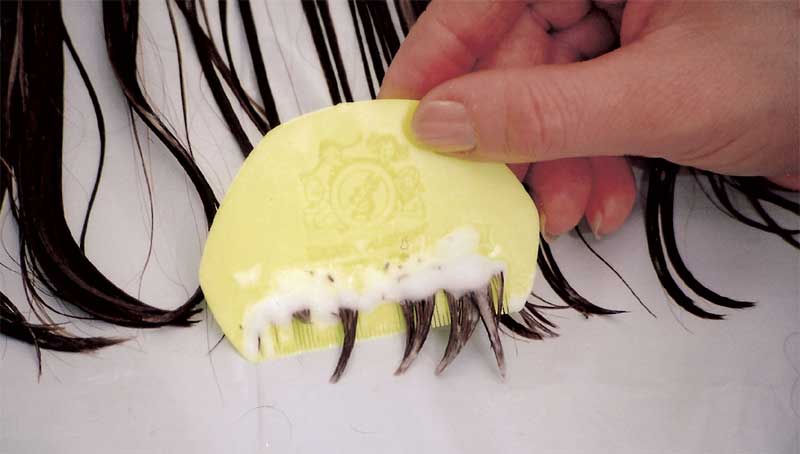
The Cornerstone of Lice Treatment: Meticulous Wet-Combing

Before considering any topical application, it is essential to understand that no product, natural or pharmaceutical, can replace the physical removal of lice and their eggs (nits). In fact, wet-combing is a proven treatment method in itself.

A 2005 study published in the British Medical Journal found that mechanical removal via wet-combing was significantly more effective than using over-the-counter pesticide-based products. Therefore, this should be the foundation of your treatment protocol.

How to Wet-Comb Effectively:

  • Use a High-Quality Metal Nit Comb: Choose a comb with long, fine, closely spaced metal teeth. These are more effective at gripping and removing nits than plastic combs.
  • Apply a Lubricant: Coat the hair thoroughly with a simple conditioner or a carrier oil like coconut or olive oil. This stuns the lice, making them immobile for about 20 minutes, and helps the comb glide smoothly.
  • Comb in Sections: Divide the hair into small, manageable sections. Comb each section meticulously from the scalp to the end of the hair shaft.
  • Clean the Comb: After each pass, wipe the comb on a white paper towel to check for lice and nits. Clean the comb under running water before combing the next section.
  • Repeat Regularly: This process must be repeated every 2-3 days for at least two weeks to ensure you remove any newly hatched lice before they can mature and lay more eggs.

Evidence-Based Botanical Treatments for Head Lice

Certain plant-based oils have demonstrated pediculicidal (lice-killing) and ovicidal (nit-killing) properties in scientific studies. When combined with wet-combing, they may enhance the effectiveness of the treatment. The most researched options include Tea Tree oil and Neem oil.

1. Tea Tree Oil (Melaleuca alternifolia)

Tea Tree oil is one of the most studied essential oils for head lice. Its primary active compound, terpinen-4-ol, has been shown to have neurotoxic effects on lice, leading to their death. Furthermore, research published in Parasitology Research indicates that a 1% concentration of tea tree oil can kill 100% of head lice within 30 minutes.

Safe Application Method:

  1. Dilute Properly: Never apply undiluted tea tree oil to the scalp, as it can cause severe skin irritation or chemical burns. Create a 2% dilution by mixing 10-12 drops of high-quality tea tree oil into 30 ml (2 tablespoons) of a carrier oil such as coconut, jojoba, or olive oil.
  2. Perform a Patch Test: Before full application, apply a small amount of the diluted mixture to the inner arm to check for any allergic reaction or sensitivity. Wait 24 hours.
  3. Apply Thoroughly: If no reaction occurs, massage the mixture into the scalp and saturate the hair from root to tip.
  4. Cover and Wait: Place a shower cap over the hair and leave the treatment on for at least one hour, but no longer than two.
  5. Comb and Wash: Follow the wet-combing protocol described above. Afterwards, wash the hair thoroughly with shampoo to remove the oil. You may need to shampoo twice.

2. Neem Oil (Azadirachta indica)

Neem oil, derived from the neem tree, contains a compound called azadirachtin. This substance acts as an insect growth regulator, interfering with the louse’s hormonal system, making it difficult for them to grow, feed, and reproduce. Studies have shown that shampoos containing neem oil can be highly effective in clearing infestations.

Safe Application Method:

  1. Add to Shampoo or Carrier Oil: Mix 8-10 drops of pure, cold-pressed neem oil into 30 ml of your regular shampoo or a carrier oil.
  2. Apply and Wait: Apply the mixture to the hair and scalp, ensuring full coverage. Leave it on for 20-30 minutes under a shower cap.
  3. Rinse and Comb: Rinse the hair thoroughly and then proceed with the meticulous wet-combing process.

Administration Protocol and Safety Limits

Using botanical treatments requires strict adherence to safety protocols to avoid adverse effects.

Parameter Safety Protocol
Treatment Duration Apply the chosen oil treatment on Day 1, Day 7, and Day 14. This schedule targets the louse life cycle, catching newly hatched nymphs. Continue wet-combing every 2-3 days throughout this period.
Maximum Dose Never exceed a 2% dilution for tea tree oil. For a 30 ml carrier oil base, this is approximately 12 drops. Using undiluted essential oils can cause severe skin irritation, sensitization, and chemical burns.
Administration Condition Always perform a patch test 24 hours before the first application. Apply treatments to dry hair for better absorption. Ensure the room is well-ventilated during application.

Specific Biological Limitation

Essential oils like tea tree oil contain potent volatile organic compounds, primarily terpenes. While effective against lice, these compounds can penetrate the skin barrier. This presents a risk of contact dermatitis and allergic sensitization. The skin of children is thinner and more permeable than that of adults, increasing their susceptibility to irritation and systemic absorption. Therefore, extreme caution and proper dilution are non-negotiable.

Contraindications and Precautions

Absolute Contraindications:

  • Individuals with a known allergy to Melaleuca alternifolia (tea tree), Azadirachta indica (neem), or plants in the Myrtaceae family.
  • Application on broken, eczematous, or inflamed skin is strictly forbidden.

Vulnerable Populations:

  • Children: Not recommended for children under the age of 3. For children aged 3-10, use a lower 1% dilution (5-6 drops per 30 ml carrier oil).
  • Pregnancy and Breastfeeding: The use of these essential oils is not recommended due to a lack of safety data on systemic absorption and potential effects on the fetus or infant.

Documented Adverse Effects:

  • Common: Mild skin redness, itching, or a warming sensation.
  • Severe (rare): Allergic contact dermatitis, blistering, or chemical burns if used undiluted.
  • When to stop immediately: Discontinue use if a rash, significant burning, or swelling occurs. Wash the area with soap and water immediately.

Therapeutic Alternatives

If botanical treatments are unsuitable or ineffective, consider these validated alternatives:

  1. Botanical Alternatives: Some research suggests that Anise oil and Eucalyptus oil may also have pediculicidal properties. However, they carry similar risks of skin irritation and require the same safety precautions.
  2. Pharmacological Options: Over-the-counter treatments containing permethrin or pyrethrins are standard first-line therapies. If these fail or resistance is suspected, a healthcare provider may prescribe medications like spinosad or ivermectin lotion. Always consult a pharmacist or doctor before use.

Recent Medical Research (2020-2026)

Recent research continues to focus on the efficacy of essential oils as alternatives to conventional pediculicides, largely due to growing resistance. A 2021 systematic review in the journal Molecules reaffirmed the potent activity of several essential oils, including tea tree and neem, against head lice. However, the authors also highlighted the need for standardized formulations and more extensive clinical trials to establish definitive dosage and safety guidelines, especially for pediatric populations.

The current scientific consensus is that while promising, botanical treatments should be used cautiously and always in conjunction with diligent mechanical removal.

Specialist’s Summary

Tea tree and neem oils are promising botanical aids for managing head lice, primarily due to their neurotoxic and insect-growth-regulating compounds. Their effectiveness is critically dependent on combination with meticulous wet-combing over a two-week cycle to eradicate all life stages. However, they carry a significant risk of skin irritation and are contraindicated in very young children and during pregnancy. If the infestation persists after two full treatment cycles, consulting a healthcare provider for conventional pharmacological options is essential.

Frequently Asked Questions

1. Can tea tree oil kill lice eggs (nits)?
Some studies suggest tea tree oil has ovicidal properties, meaning it may kill some nits. However, no topical agent is 100% effective against all nits. Therefore, meticulous combing to physically remove every nit is non-negotiable for successful treatment.

2. Is it safe to use undiluted tea tree oil directly on the scalp?
No, this is extremely dangerous. Applying undiluted tea tree oil can cause severe chemical burns, blistering, and lead to permanent skin sensitization. It must always be diluted in a carrier oil to a maximum concentration of 2%.

3. How can I prevent a lice re-infestation?
Prevention involves both behavioral and environmental measures. Teach children to avoid head-to-head contact and not to share combs, hats, scarves, or headphones. Wash all bedding, clothing, and towels used by the infested person in hot water (at least 54°C or 130°F). Items that cannot be washed can be sealed in a plastic bag for two weeks.

4. Are natural lice treatments safe for toddlers?
No. Essential oils like tea tree and neem are generally not recommended for children under three years old due to their sensitive skin and higher risk of systemic absorption. For this age group, the safest and most effective method is diligent wet-combing with conditioner. Always consult a pediatrician for treatment advice for infants and toddlers.

Sources and References

  1. Di Campli, E., et al. (2012). The effect of a tea tree oil-based pediculicide on the survival of head lice and their eggs. Parasitology Research, 111(5), 1985–1992.
  2. Heukelbach, J., & Feldmeier, H. (2006). Ectoparasites – the underestimated realm. The Lancet, 367(9506), 207-208.
  3. Toloza, A. C., et al. (2021). Essential Oils in Insect Control: From Research to Regulation. Molecules, 26(19), 5879.
  4. Hill, N., et al. (2005). Single blind, randomised, comparative study of the Bug Buster kit and over the counter pediculicide treatments against head lice in the United Kingdom. BMJ, 331(7513), 384-387.

⚠️ Important Medical Information

This article is for educational and informational purposes only and is not intended as medical advice, diagnosis, or treatment. The information provided about Tea Tree Oil and Neem Oil is based on traditional use and scientific evidence, which may be limited.

Before using these remedies:

  • Consult a qualified healthcare provider, especially for children, or if you are pregnant, breastfeeding, taking medications, or have existing health conditions like sensitive skin.
  • Do not use as a substitute for prescribed medications or professional medical treatment. If the infestation is severe or persistent, seek medical advice.
  • Individual results may vary. Always perform a patch test before use.
  • Monitor for adverse reactions and discontinue use if negative symptoms occur.


If you like it, share it

[mashshare]

1 comentariu

Post comment

Your email address will not be published. Required fields are marked *.