Parsley for Bladder Health: A Natural Diuretic for Urinary Support

by Andreea Smiterson
0 comments
A+A-
Reset

Urinary tract infections (UTIs) are a common health concern that can cause significant discomfort, including a persistent urge to urinate and a painful, burning sensation. While it is crucial to seek medical advice for a proper diagnosis and treatment, as bacterial infections typically require antibiotics, some traditional remedies may offer supportive care.

Specifically, certain plants have been used historically to promote urinary health. This article explores a traditional folk recipe and evaluates its ingredients based on modern scientific understanding, providing a clear, evidence-based perspective on natural support for the urinary system.

natural antibiotic for bladder infection

Understanding the Role of Traditional Ingredients

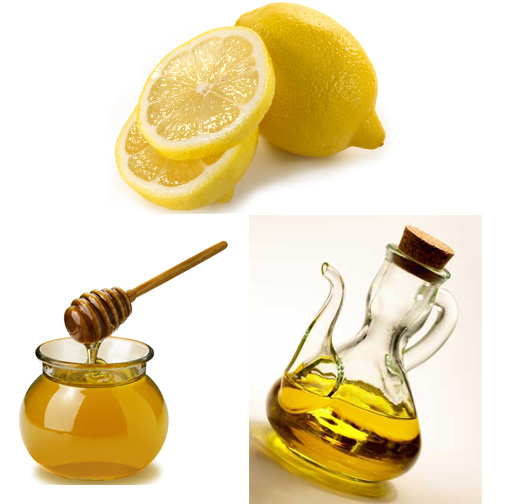
A traditional European remedy for urinary discomfort combines parsley root, lemon, honey, and olive oil. However, it is essential to understand that this mixture is not an antibiotic and cannot cure an active bacterial infection. Instead, its potential benefits come from the supportive properties of its individual components.

  • Parsley Root (Petroselinum crispum): This is the most active ingredient for urinary health. Parsley root is recognized by health authorities like the European Medicines Agency (EMA) as a traditional diuretic. A diuretic helps increase urine production, which in turn can help flush bacteria from the bladder and urinary tract. Therefore, its primary role is mechanical flushing, not killing bacteria.
  • Lemon (Citrus limon): Lemons are a rich source of Vitamin C and citric acid. While some theories suggest that Vitamin C can help acidify urine, making the environment less hospitable for bacteria like E. coli, the effect from dietary sources is generally considered mild. Nevertheless, it contributes to overall hydration and immune support.

  • Honey: Honey is well-known for its antimicrobial properties when applied topically. However, when ingested, these properties are largely diminished during digestion. Consequently, it is unlikely to have a direct antibacterial effect within the urinary tract. In this mixture, it primarily acts as a natural sweetener and binder.
  • Olive Oil: A cornerstone of a healthy diet, olive oil contains anti-inflammatory compounds. While chronic inflammation can be a factor in various health issues, there is no direct scientific evidence supporting its role in treating acute bladder infections.

In summary, the traditional recipe may help by promoting hydration and increasing urinary flow, but it should never be used to replace medical treatment for a diagnosed UTI.

Administration Protocol and Safety Limits for Parsley

When using parsley for its diuretic effects, it is crucial to follow safe administration protocols to avoid adverse effects. These guidelines apply to parsley used as a tea or supplement, not the culinary amounts used in food.

Parameter Guideline
Recommended Form Dried parsley root or leaf infusion (tea).
Standard Daily Dose 2-4 grams of the dried root or leaf, infused in 150 ml of boiling water, taken up to three times a day.
Treatment Duration Use for a maximum of 7-14 days.
Mandatory Break A break of at least 2 weeks is recommended between treatment cycles.
Administration Condition Crucially, you must drink plenty of water (at least 2 liters per day) throughout the day when using any diuretic to support the flushing action and prevent dehydration.

Specific Biological Limitation

The primary mechanism of parsley is diuresis (increased urine production). This effect is beneficial for flushing the urinary tract but can become dangerous for individuals with compromised kidney or heart function. Forcing the kidneys to produce more urine can disrupt the delicate balance of fluids and electrolytes, potentially worsening conditions like chronic kidney disease or congestive heart failure. Furthermore, high concentrations of compounds in parsley, such as apiol, can be irritating to the kidneys if consumed in excess.

Contraindications and Precautions

Always consult a healthcare provider before using parsley therapeutically, especially if you have pre-existing health conditions or are taking other medications.

Absolute Contraindications

  • Pregnancy: Parsley, particularly in concentrated forms, contains apiol and myristicin, which can stimulate uterine contractions and are considered abortifacient. It is strictly forbidden during pregnancy.
  • Kidney Disease: Individuals with inflammatory kidney conditions or impaired renal function should avoid parsley as a diuretic, as it can exacerbate their condition.
  • Allergies: People with known allergies to plants in the Apiaceae family (such as carrots, celery, or fennel) may have a cross-reaction to parsley.

Major Drug Interactions

  • Diuretics (“Water Pills”): Combining parsley with prescription diuretics (e.g., furosemide, hydrochlorothiazide) can lead to excessive fluid and electrolyte loss, causing dehydration and mineral imbalances.
  • Anticoagulants (Blood Thinners): Parsley is high in Vitamin K, which plays a key role in blood clotting. Consequently, high intake can interfere with the effectiveness of medications like warfarin, potentially increasing the risk of clotting.

Therapeutic Alternatives for Urinary Health

If parsley is not suitable or if you are looking for options with stronger scientific backing for UTI prevention, consider the following alternatives after consulting with your healthcare provider.

  1. D-Mannose: This is a type of sugar that is not easily metabolized by the body. Research, including a 2021 meta-analysis in Urology, suggests that D-Mannose can prevent recurrent UTIs by attaching to E. coli bacteria, preventing them from adhering to the bladder walls so they can be flushed out with urine.
  2. Cranberry (Vaccinium macrocarpon) Extract: High-quality cranberry extracts standardized for proanthocyanidins (PACs) have been shown to have a similar anti-adhesion effect on bacteria. Importantly, choose low-sugar extracts or capsules over sugary cranberry juice for the best therapeutic effect.
  3. Uva-ursi (Arctostaphylos uva-ursi): Also known as bearberry, this herb has urinary antiseptic properties due to a compound called arbutin. It is intended for short-term use (no more than 7 days) at the very first sign of symptoms and requires an alkaline urine environment to be effective. However, it has more significant contraindications and should only be used under professional guidance.

Recent Medical Research (2020-2026)

Modern research continues to focus on non-antibiotic strategies for preventing recurrent UTIs to combat antibiotic resistance. A 2021 systematic review and meta-analysis confirmed the efficacy of D-mannose in UTI prevention, finding it comparable to antibiotics in some studies. Furthermore, research is increasingly focused on the role of the urinary microbiome and probiotics (specifically Lactobacillus strains) in maintaining a healthy urinary tract and reducing the risk of infection.

The current scientific verdict is that while diuretics like parsley may play a minor, supportive role, the most promising natural approaches for prevention target bacterial adhesion (D-Mannose, Cranberry PACs).

Specialist’s Summary

Parsley is a traditional diuretic useful for increasing urine flow, which may help support urinary tract health in healthy individuals. Its effects are primarily mechanical (flushing) and appear relatively quickly. However, it is contraindicated in pregnancy and for individuals with kidney disease and can interact with diuretics and blood thinners. For evidence-based UTI prevention, validated alternatives like D-Mannose and standardized cranberry extract are more reliable choices. Always consult a doctor for the diagnosis and treatment of an active infection.

Frequently Asked Questions

1. Can parsley cure a bladder infection?
No. Parsley is a diuretic, not an antibiotic. It cannot kill the bacteria causing the infection. It can only help support the body’s natural flushing mechanism by increasing urine output. An active UTI requires medical diagnosis and antibiotic treatment.

2. Is it safe to drink parsley tea every day?
While culinary use is safe, daily therapeutic use of parsley tea should be limited to 1-2 weeks at a time, followed by a break. Long-term, high-dose consumption is not recommended without professional supervision due to potential effects on the kidneys and electrolyte balance.

3. What are the first signs of a bladder infection?
Common early symptoms include a frequent and urgent need to urinate, a burning sensation during urination, cloudy or strong-smelling urine, and pelvic pain. If you experience these symptoms, especially with fever or back pain, seek medical attention immediately.

Sources and References

  • European Medicines Agency (EMA). (2018). Community herbal monograph on Petroselinum crispum Miller ssp. crispum (Mill.) Nyman ex A. W. Hill, radix.
  • Lenger, S. M., Bradley, M. S., Thomas, D. A., Bertolet, M. H., Lowder, J. L., & Sutcliffe, S. (2020). D-mannose for recurrent urinary tract infection prevention in postmenopausal women: a randomized clinical trial. Urology, 153, 93-99.
  • Kranjčec, B., Papeš, D., & Altarac, S. (2014). D-mannose powder for prophylaxis of recurrent urinary tract infections in women: a randomized clinical trial. World journal of urology, 32(1), 79-84.

⚠️ Important Medical Information

This article is for educational and informational purposes only and is not intended as medical advice, diagnosis, or treatment. The information provided about Parsley is based on traditional use, preliminary research, and available scientific evidence, which may be limited.

Before using Parsley therapeutically:

  • Consult a qualified healthcare provider, especially if you are pregnant, breastfeeding, taking medications, or have existing health conditions like kidney or heart disease.
  • Do not use as a substitute for prescribed medications or professional medical treatment for a UTI.
  • Individual results may vary – what works for one person may not work for another.
  • Monitor for adverse reactions and discontinue use if negative symptoms occur.

Regulatory status: Parsley, when used as a remedy, is considered a traditional herbal product or dietary supplement and has not been evaluated by the FDA for treating, curing, or preventing any disease.


You may also like

Leave a Comment