Moringa Seeds for Blood Sugar and Cholesterol: A Research-Based Guide

Learn the science behind Moringa's benefits, safe dosage protocols, and crucial safety warnings for metabolic health.

by Andreea Smiterson
0 comments
A+A-
Reset

Moringa oleifera, often called the “drumstick tree” or “horseradish tree,” has been a staple in traditional medicine systems like Ayurveda for centuries. While its leaves are widely celebrated, the seeds of the moringa tree are gaining attention for their potential health benefits. However, it is crucial to approach their use with an understanding of the scientific evidence, proper dosage, and safety precautions.

This article, written from a phytotherapy specialist’s perspective, provides an evidence-based overview of moringa seeds, separating scientifically supported benefits from unsubstantiated claims and outlining clear safety protocols for responsible use.

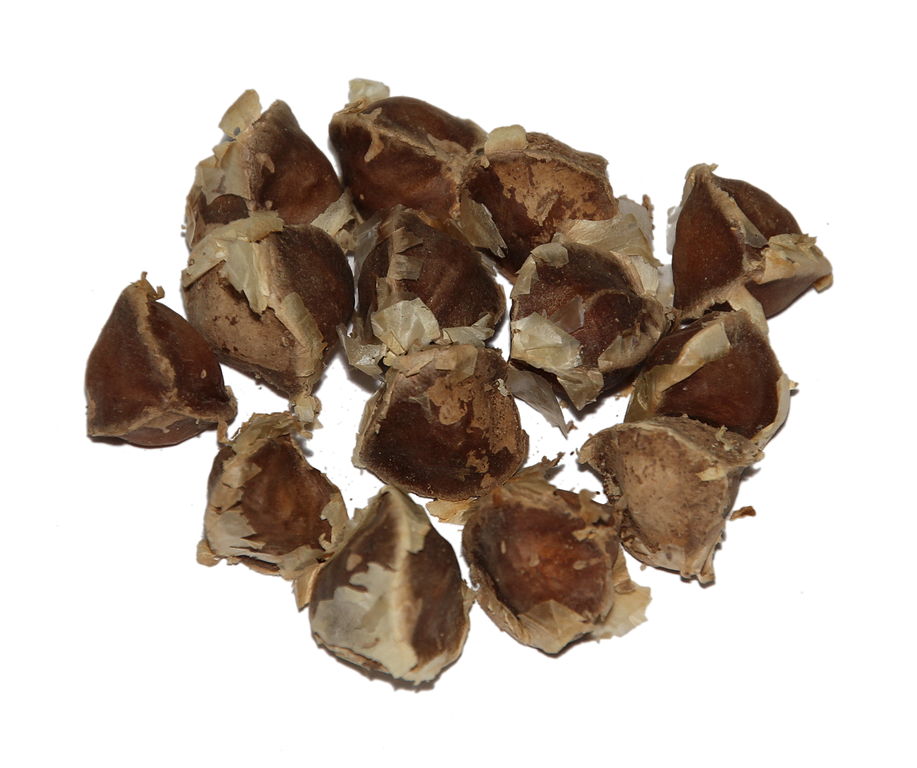
moringa-seeds-benefits

The Science Behind Moringa Seeds: Key Active Compounds

The potential health effects of moringa seeds are attributed to their rich concentration of specific bioactive compounds. Unlike the leaves, which are known for their high vitamin content, the seeds are valued for a different set of components.

  • Oleic Acid: Moringa seeds are rich in this monounsaturated fatty acid, the same healthy fat found in olive oil. Research suggests oleic acid has beneficial effects on cardiovascular health.
  • Glucosinolates and Isothiocyanates: These sulfur-containing compounds are also found in cruciferous vegetables like broccoli. They are believed to be responsible for many of moringa’s potential anti-inflammatory and blood sugar-regulating effects.
  • Flavonoids and Phenolic Acids: Compounds like quercetin, ferulic acid, and kaempferol act as powerful antioxidants, helping to protect the body’s cells from damage caused by oxidative stress.

Evidence-Based Health Benefits of Moringa Seeds

While traditional use is extensive, modern research is beginning to investigate these claims. It is important to note that much of the current evidence is from preclinical or animal studies, with human trials still being limited.

1. May Support Healthy Blood Sugar Levels

One of the most studied benefits of moringa is its potential role in blood glucose regulation. The isothiocyanates in moringa seeds may help improve insulin sensitivity, which allows the body to use glucose more effectively. A study published in the Journal of Food Science and Technology indicated that moringa seed powder had a positive effect on blood glucose levels in diabetic rats. However, more robust human clinical trials are needed to confirm these effects and establish effective dosages.

2. Potential Role in Cholesterol Management

Furthermore, the high oleic acid and fiber content in moringa seeds may contribute to cardiovascular health by helping to manage cholesterol levels. The fiber can bind to cholesterol in the digestive system, preventing its absorption. For instance, research in the American Journal of Hypertension suggests that moringa seed supplementation may have a beneficial impact on lipid profiles, potentially lowering LDL (“bad”) cholesterol while maintaining HDL (“good”) cholesterol.

3. Antioxidant and Anti-Inflammatory Properties

Chronic inflammation and oxidative stress are underlying factors in many chronic diseases. The antioxidants found in moringa seeds, such as flavonoids and vitamin E, help neutralize harmful free radicals. Additionally, preclinical studies suggest that moringa seed extract can inhibit inflammatory markers in the body. This anti-inflammatory action is traditionally leveraged to support gastric health, although claims that it can “cure” ulcers are not supported by clinical evidence.

Administration Protocol and Safety Limits

Proper administration is key to maximizing benefits while minimizing risks. Never consume moringa seeds without understanding these protocols.

Aspect Protocol and Limits
Maximum Daily Dose Start with 1-2 seeds per day. Do not exceed 3-4 seeds (or approximately 3 grams of powder) for a healthy adult without medical supervision.
Treatment Duration Consume for a maximum of 4 weeks continuously.
Mandatory Break Take a mandatory break of at least 1-2 weeks between cycles to allow the body to reset.
Method of Consumption The seeds can be eaten raw (after peeling the outer shell), roasted, or ground into a powder. Be aware they have a very bitter taste, which is normal. Always consume with a full glass of water.
Timing Take after a meal to minimize potential digestive upset.

Overdose Risk: Exceeding the recommended dose can lead to gastrointestinal distress, including nausea, diarrhea, and stomach cramps. The long-term effects of high doses are unknown.

Specific Biological Limitation

Moringa seeds contain compounds that can directly influence metabolic processes. Their hypoglycemic (blood sugar-lowering) effect is beneficial for some but poses a significant risk for others. For individuals taking diabetes medications (like metformin or insulin), combining them with moringa seeds can cause blood sugar to drop to dangerously low levels (hypoglycemia). Therefore, blood glucose must be monitored closely under medical supervision if used concurrently.

Contraindications and Precautions

Moringa seeds are not safe for everyone. It is essential to be aware of the following contraindications.

  • Absolute Contraindications:
    • Pregnancy: FORBIDDEN. Chemicals in moringa (especially the root, bark, and flowers, but the risk extends to seeds) can induce uterine contractions, potentially leading to miscarriage.
    • Breastfeeding: Avoid use, as there is insufficient data on its safety and whether active compounds pass into breast milk.
  • Major Drug Interactions:
    • Diabetes Medications (e.g., Metformin, Insulin): Increases the risk of hypoglycemia. Dose adjustments by a doctor are necessary.
    • Blood Pressure Medications (e.g., Amlodipine, Lisinopril): May enhance their effect, leading to hypotension (abnormally low blood pressure).
    • Thyroid Medications (e.g., Levothyroxine): Moringa may alter thyroid function; therefore, it should not be combined with thyroid medication.
    • Blood Thinners (e.g., Warfarin): Moringa contains Vitamin K (primarily in the leaves, but caution is advised with seeds), which can interfere with the effectiveness of anticoagulants.
  • Documented Adverse Effects: The most common side effect is digestive upset, particularly when starting or taking too high a dose.

Therapeutic Alternatives

If moringa seeds are not suitable for you, other botanicals with better-established safety profiles and more extensive human research may be considered for similar goals:

  1. For Blood Sugar Support: Fenugreek Seeds (Trigonella foenum-graecum). Rich in soluble fiber, fenugreek has been shown in numerous clinical trials to help improve glycemic control.
  2. For Cholesterol Management: Psyllium Husk (Plantago ovata). This is a well-researched soluble fiber that is clinically proven to lower LDL cholesterol when used as part of a healthy diet.
  3. For General Anti-inflammatory Support: Turmeric (Curcuma longa). Its active compound, curcumin, is one of the most extensively studied natural anti-inflammatory agents available.

Recent Medical Research (2020-2026)

Modern science continues to explore moringa’s potential. A 2023 review published in Nutrients summarized the existing evidence on Moringa oleifera‘s role in managing metabolic syndrome. The authors concluded that while preclinical evidence is strong, particularly for its anti-diabetic and lipid-lowering effects, there is a significant need for well-designed, long-term human clinical trials to validate these findings and establish standardized, safe dosages.

Current Limitations: The primary gap in research is the lack of large-scale human studies. Most current knowledge is based on animal models or small, short-term human trials. Consequently, the long-term safety of daily moringa seed consumption is not yet fully understood.

Specialist’s Summary

Moringa seeds show promise for supporting metabolic health, particularly in managing blood sugar and cholesterol levels, due to their unique bioactive compounds. However, the current evidence is still preliminary. Their use is strictly contraindicated during pregnancy and requires extreme caution for individuals on medications for diabetes, blood pressure, or thyroid conditions. Validated alternatives like Fenugreek or Psyllium Husk often have a stronger evidence base and a more established safety profile for these specific concerns.

Frequently Asked Questions

1. How many moringa seeds can I safely eat per day?
For a healthy adult, it is recommended to start with 1-2 seeds per day and not exceed 3-4 seeds daily. Always listen to your body and stop if you experience any digestive discomfort.

2. Can moringa seeds help with weight loss?
While moringa’s potential effects on blood sugar and inflammation could indirectly support weight management, there is no direct scientific evidence to suggest that moringa seeds cause significant weight loss. They are not a substitute for a balanced diet and regular exercise.

3. What is the difference between moringa leaf and moringa seed?
Moringa leaves are rich in vitamins (like A and C) and minerals (like iron and calcium) and are typically consumed as a powder or cooked vegetable. The seeds, on the other hand, are valued for their high content of oleic acid and specific sulfur-containing compounds (glucosinolates) and are used for their potential metabolic and anti-inflammatory effects.

4. Is Moringa safe for children, during pregnancy, or while breastfeeding?
NO. Moringa is strictly forbidden during pregnancy due to the risk of uterine contractions. Its safety is not established for breastfeeding mothers or for children, and therefore, it should be avoided in these populations.

Sources and References

  1. Gopalakrishnan, L., Doriya, K., & Kumar, D. S. (2016). Moringa oleifera: A review on nutritive importance and its medicinal application. Food Science and Human Wellness.
  2. Mahmood, K. T., Mugal, T., & Haq, I. U. (2010). Moringa oleifera: a natural gift-a review. Journal of Pharmaceutical Sciences and Research.
  3. Zhong, Y., et al. (2023). The Role of Moringa Oleifera in the Management of Metabolic Syndrome. Nutrients. Available at: https://www.ncbi.nlm.nih.gov/pmc/articles/PMC9963832/

⚠️ Important Medical Information

This article is for educational and informational purposes only and is not intended as medical advice, diagnosis, or treatment. The information provided about Moringa Seeds is based on traditional use, preliminary research, and available scientific evidence, which may be limited.

Before using Moringa Seeds:

  • Consult a qualified healthcare provider, especially if you are pregnant, breastfeeding, taking medications, or have existing health conditions like diabetes or thyroid disorders.
  • Do not use as a substitute for prescribed medications or professional medical treatment.
  • Individual results may vary – what works for one person may not work for another.
  • Monitor for adverse reactions and discontinue use if negative symptoms occur.


You may also like

Leave a Comment