Olive Oil for Weight Management: Benefits and Safe Use
Extra Virgin Olive Oil (EVOO) is a cornerstone of the Mediterranean diet, a dietary pattern consistently associated with cardiovascular health, longevity, and healthy weight management. While often recognized for its benefits to skin and hair, its role in metabolic health is supported by significant scientific evidence. However, it is crucial to understand that olive oil is not a direct weight-loss “remedy” but rather a beneficial component of a balanced, calorie-controlled lifestyle.
Many popular diet trends promise rapid results through restrictive or unconventional methods. In contrast, incorporating healthy fats like olive oil focuses on sustainable, long-term health. This approach helps regulate appetite, reduce inflammation, and improve overall metabolic function, which are key factors in achieving and maintaining a healthy weight. This article will explore the evidence-based ways to use olive oil for weight management, focusing on safety, proper dosage, and realistic expectations.
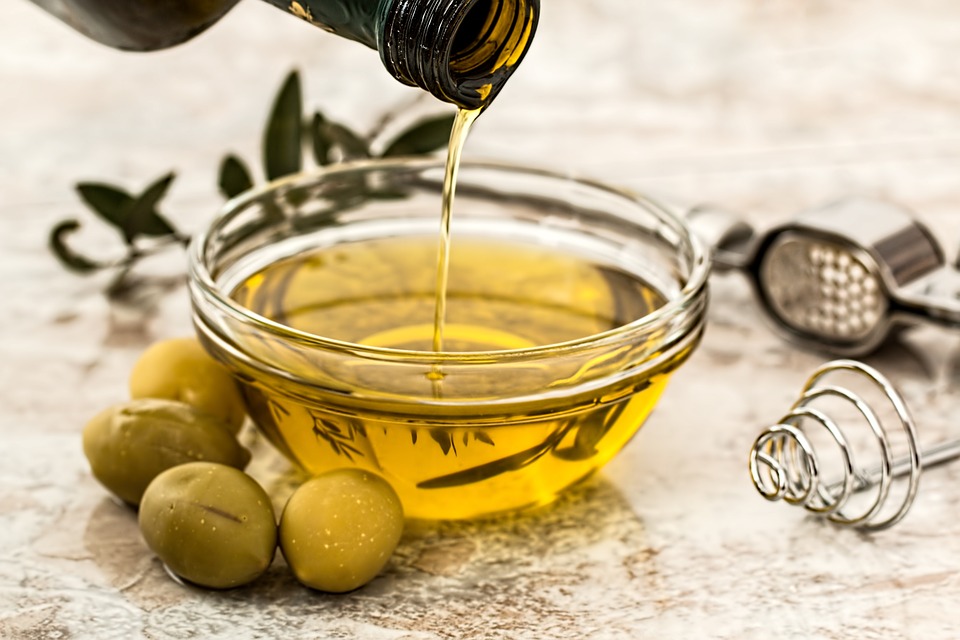
How Olive Oil Supports Healthy Weight Management
The benefits of olive oil for weight management are not due to a single “miracle” effect but rather a combination of physiological mechanisms. Importantly, these benefits are most pronounced when using high-quality, cold-pressed Extra Virgin Olive Oil, which is rich in beneficial bioactive compounds.
1. Promoting Satiety and Reducing Calorie Intake
Olive oil is rich in monounsaturated fatty acids (MUFAs), primarily oleic acid. Research published in journals like Cell Metabolism indicates that oleic acid can stimulate the production of appetite-suppressing hormones such as glucagon-like peptide-1 (GLP-1). Consequently, including olive oil in a meal can increase feelings of fullness and satisfaction, potentially leading to a natural reduction in overall calorie consumption throughout the day.
2. Anti-Inflammatory Properties
Chronic, low-grade inflammation is a known contributor to obesity and metabolic syndrome. Extra Virgin Olive Oil contains potent antioxidant polyphenols, such as oleocanthal, which has demonstrated anti-inflammatory effects similar to ibuprofen. According to a 2022 review in the journal Nutrients, by mitigating inflammation, EVOO can support healthier metabolic function, which is essential for effective weight management.
3. Supporting Metabolic Health
Replacing saturated and trans fats with monounsaturated fats from olive oil can improve insulin sensitivity and lipid profiles. Furthermore, studies on the Mediterranean diet consistently show that a higher intake of EVOO is associated with a lower risk of type 2 diabetes and cardiovascular disease, conditions often linked with excess body weight.
Administration Protocol and Safety Limits
While beneficial, olive oil is a calorie-dense food. Therefore, proper administration and portion control are critical to avoid counterproductive effects like weight gain.
| Parameter | Guideline and Rationale |
| Recommended Daily Intake | 1 to 2 tablespoons (15-30 ml) per day. This amount should replace other fats (e.g., butter, margarine, processed vegetable oils), not be added on top of them. |
| Maximum Safe Dose | There is no toxic dose, but consuming more than 3-4 tablespoons daily without adjusting other calorie sources will likely lead to weight gain. Exceeding this amount may also cause gastrointestinal upset in sensitive individuals. |
| Method of Administration | For maximum health benefits, consume Extra Virgin Olive Oil unheated. Use it in salad dressings, drizzle it over cooked vegetables, or add it to soups after cooking. High heat can degrade its delicate polyphenols. |
| Timing | Consume with meals to enhance satiety and aid the absorption of fat-soluble vitamins from your food. Taking it on an empty stomach offers no proven additional weight management benefits and may cause digestive discomfort for some. |
Evidence-Based Ways to Incorporate Olive Oil
Instead of unproven “remedies,” focus on integrating olive oil into your diet in ways that are supported by nutritional science.
Olive Oil and Cayenne Pepper
This combination leverages two distinct mechanisms. The oleic acid in olive oil promotes satiety, while the capsaicin in cayenne pepper has a mild thermogenic effect, meaning it can slightly increase metabolic rate. A 2021 study in the journal Foods confirmed capsaicin’s potential role in energy expenditure and fat oxidation.
- How to Use: Create a salad dressing by mixing 1 tablespoon of EVOO with ¼ teaspoon of cayenne pepper, lemon juice, and herbs. Use this to dress salads or roasted vegetables.
Olive Oil and Ginger
Ginger contains compounds like gingerols, which have anti-inflammatory and metabolic-supporting properties. Combining it with olive oil creates a powerful anti-inflammatory dressing or marinade.
- How to Use: Whisk together 1 tablespoon of EVOO, 1 teaspoon of freshly grated ginger, a splash of soy sauce (or tamari), and rice vinegar for a flavorful Asian-inspired dressing.
Specific Biological Limitation
High Caloric Density: The primary limitation of olive oil in a weight management context is its high calorie content. One tablespoon contains approximately 120 calories. Without a corresponding reduction in calories from other sources, particularly refined carbohydrates and unhealthy fats, adding olive oil to your diet will result in a calorie surplus and subsequent weight gain. It is a tool for dietary improvement, not a license for unlimited consumption.
Contraindications and Precautions
While generally very safe, there are specific situations where caution is advised.
- Absolute Contraindications: Individuals with acute pancreatitis, severe gallbladder disease, or bile duct obstruction should consult a physician before increasing fat intake, as it can trigger symptoms.
- Vulnerable Populations:
- Pregnancy and Breastfeeding: Olive oil is a safe and healthy part of the diet.
- Children: It is safe and beneficial as part of a balanced diet.
- Potential Drug Interactions:
- Antihypertensive Drugs: A diet rich in olive oil can contribute to lower blood pressure. If you are taking blood pressure medication, monitor your levels, as your dosage may need adjustment.
- Antidiabetic Drugs: By improving insulin sensitivity, olive oil may lower blood sugar levels. Individuals on diabetes medication should monitor their glucose closely to prevent hypoglycemia.
- Anticoagulants (e.g., Warfarin): Olive oil contains Vitamin K, which plays a role in blood clotting. While the amount is typically modest, a sudden, large increase in intake could theoretically interfere with these medications. Consistency is key.
- Documented Adverse Effects: The most common side effect of excessive consumption is diarrhea or other forms of gastrointestinal distress.
Therapeutic Alternatives for Weight Management
If olive oil is not suitable or if you wish to diversify your intake of healthy fats, consider these evidence-based alternatives:
- Avocado: Rich in monounsaturated fats and fiber, avocados are excellent for promoting satiety. The added fiber also supports digestive health and blood sugar regulation.
- Nuts and Seeds (Walnuts, Almonds, Chia Seeds): These provide a combination of healthy fats, protein, and fiber. Walnuts are particularly high in omega-3 fatty acids, offering additional anti-inflammatory benefits.
- Fatty Fish (Salmon, Mackerel, Sardines): These are the best sources of the long-chain omega-3 fatty acids EPA and DHA, which are crucial for reducing inflammation and supporting cardiovascular health, both of which are linked to healthy weight.
Recent Medical Research (2020-2026)
Modern research continues to validate the role of Extra Virgin Olive Oil in a healthy lifestyle.
- A 2022 meta-analysis published in Nutrients reinforced the findings that adherence to the Mediterranean diet, with EVOO as the primary fat source, is associated with a lower risk of obesity and improvements in waist circumference.
- Research in the Journal of the American College of Cardiology (2022) found that higher olive oil intake was associated with lower mortality risk, including from cardiovascular and neurodegenerative diseases, highlighting its role in overall health beyond just weight.
Current Limitations: While the benefits of a dietary pattern including olive oil are well-established, research isolating olive oil as the sole variable for weight loss is challenging. Its effects are best understood as part of a holistic, healthy diet.
Specialist’s Summary
Extra Virgin Olive Oil is a valuable food for supporting healthy weight management, primarily due to its positive effects on satiety, inflammation, and overall metabolic health. It is most effective when used to replace less healthy fats within a calorie-conscious diet, with a recommended intake of 1-2 tablespoons daily. Overconsumption will lead to weight gain due to its high caloric density. Validated alternatives include other whole-food sources of healthy fats like avocados, nuts, and fatty fish.
Frequently Asked Questions
1. Can drinking a tablespoon of olive oil on an empty stomach help me lose weight?
There is no scientific evidence that drinking olive oil on an empty stomach provides unique weight loss benefits. Its primary advantages come from incorporating it into meals to enhance satiety and replace unhealthy fats, contributing to a better overall dietary pattern.
2. What is the best type of olive oil for health benefits?
Extra Virgin Olive Oil (EVOO) is the best choice. It is the least processed form, meaning it retains the highest concentration of beneficial polyphenols and antioxidants responsible for many of its health effects. “Light” or “pure” olive oils have been refined and lack these compounds.
3. How many calories are in a tablespoon of olive oil?
One tablespoon (15 ml) of olive oil contains approximately 120 calories and 14 grams of fat. This is why it must be used in moderation and as a replacement for other calorie sources to support weight management.
4. Is olive oil safe for people with high cholesterol?
Yes, it is highly recommended. Replacing saturated fats (from butter, red meat, and processed foods) with monounsaturated fats from olive oil has been shown to help lower LDL (“bad”) cholesterol and raise HDL (“good”) cholesterol, improving the overall lipid profile.
Sources and References
Recent Studies (2020-2026):
- Guasch-Ferré, M., et al. (2022). Olive Oil Consumption and Mortality in the United States. Journal of the American College of Cardiology, 79(2), 101-112. https://www.jacc.org/doi/10.1016/j.jacc.2021.10.041
- Mancini, A., et al. (2022). The Mediterranean Diet and Its Components for the Management of Obesity and Related Diseases. Nutrients, 14(4), 804. https://www.mdpi.com/2072-6643/14/4/804
- Zhu, Y., et al. (2021). The Effects of Capsaicin on Energy Expenditure and Fat Oxidation: A Systematic Review and Meta-Analysis of Randomized Controlled Trials. Foods, 10(8), 1773. https://www.mdpi.com/2304-8158/10/8/1773
Official Monographs and Health Authorities:
- European Food Safety Authority (EFSA). (2011). Scientific Opinion on the substantiation of health claims related to olive oil polyphenols. EFSA Journal.
⚠️ Important Medical Information
This article is for educational and informational purposes only and is not intended as medical advice, diagnosis, or treatment. The information provided about Olive Oil is based on traditional use, preliminary research, and available scientific evidence, which may be limited.
Before using Olive Oil for health purposes:
- Consult a qualified healthcare provider or registered dietitian, especially if you are taking medications or have existing health conditions like gallbladder disease or diabetes.
- Do not use as a substitute for a balanced diet, exercise, or professional medical treatment.
- Individual results may vary – dietary changes affect everyone differently.
- Monitor for adverse reactions, such as digestive upset, and adjust intake if negative symptoms occur.



