Lavender Aromatherapy for Cancer Patients: Managing Stress and Anxiety
Lavender, known for its distinctive fragrance and vibrant color, has a long history in traditional medicine. While many appreciate its pleasant aroma, its potential role in supportive care, particularly for individuals undergoing cancer treatment, is an area of growing interest. This article provides an evidence-based overview of how lavender essential oil may be used safely to improve quality of life, while clearly stating its limitations.
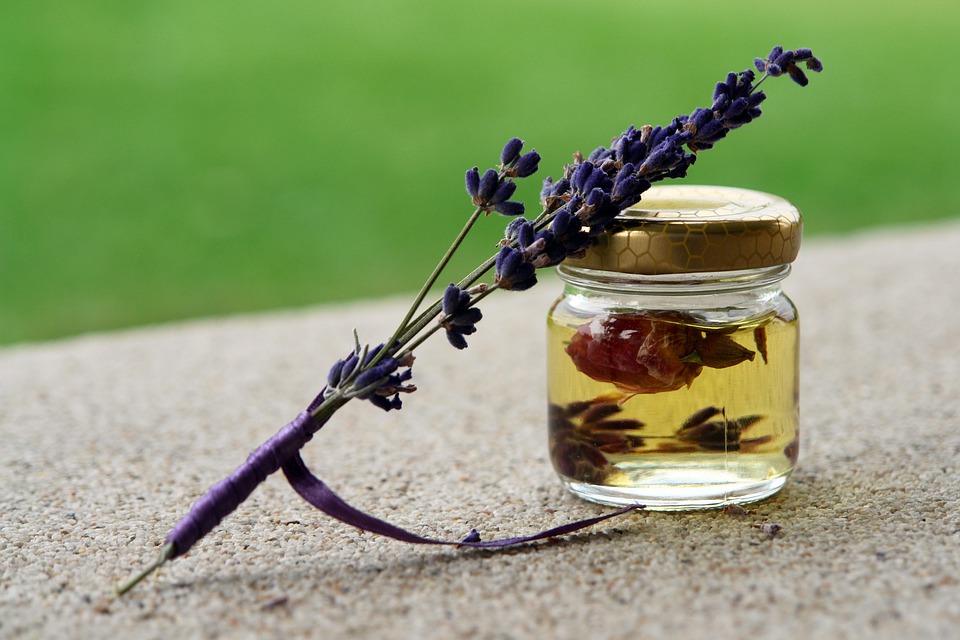
Historically, true lavender (Lavandula angustifolia) has been valued for centuries. For instance, ancient Egyptian and Phoenician societies used it in perfumery and embalming processes. Furthermore, the Romans recognized its cleansing and medicinal qualities, using it in baths and for dressing wounds. This traditional use for calming and cleansing laid the groundwork for its modern applications in aromatherapy.
Important Clarification: Lavender Oil is NOT a Cancer Treatment
Before exploring the benefits, it is critical to state unequivocally: Lavender essential oil cannot treat, cure, or prevent cancer. Some online sources make dangerous claims about its “anti-tumor” properties based on isolated plant compounds like perillyl alcohol. However, these claims are not supported by clinical evidence in humans using lavender oil.
- Scientific studies on these compounds involve highly concentrated, purified forms administered in specific ways that cannot be replicated by using commercially available essential oils.
- Applying lavender oil to tumors or affected areas is ineffective and potentially harmful, as it can cause skin irritation and offers no therapeutic benefit against cancer cells.
- Therefore, you should never use lavender oil as an alternative to or replacement for conventional cancer treatments prescribed by your oncology team. Its role is strictly complementary and focused on symptom management.
Validated Supportive Benefits of Lavender Aromatherapy
Research indicates that the primary benefits of lavender essential oil for cancer patients lie in its ability to manage the psychological and physical side effects of treatment. The therapeutic effects are mainly attributed to its primary chemical constituents, linalool and linalyl acetate, which interact with the nervous system upon inhalation.
1. Managing Anxiety and Emotional Distress
A cancer diagnosis and its treatment are significant sources of stress, anxiety, and depression. Aromatherapy is one of the most common complementary therapies used in oncology centers to address this emotional burden. Indeed, inhaling lavender essential oil can have a calming effect on the nervous system.
According to a 2021 meta-analysis published in Phytomedicine, aromatherapy, particularly with lavender, has shown a significant positive effect on reducing anxiety levels in patients with various medical conditions. The scent molecules are believed to stimulate the olfactory system, which is directly linked to the limbic system—the part of the brain that controls emotions and memory.
2. Improving Sleep Quality
Insomnia and disturbed sleep are common complaints among cancer patients, often caused by anxiety, pain, or medication side effects. Consequently, lavender’s sedative properties may help promote more restful sleep. A study published in the Journal of Alternative and Complementary Medicine found that cancer patients who used lavender aromatherapy experienced a significant improvement in sleep quality compared to those who did not.
3. Alleviating Nausea and Headaches
While not a primary remedy, some clinical observations suggest that lavender’s calming aroma can help ease mild, chemotherapy-induced nausea, often by reducing the anxiety associated with it. Similarly, its relaxing properties may help alleviate tension headaches. For this reason, gentle inhalation can provide a sense of comfort during moments of physical discomfort.
Administration Protocol and Safety Limits
Proper administration is key to using lavender essential oil safely and effectively. The primary methods for cancer patients are inhalation and properly diluted topical application.
| Method | Protocol | Safety Precautions |
|---|---|---|
| Aromatic Diffusion | Add 3-5 drops of Lavandula angustifolia oil to a cool-mist ultrasonic diffuser. Run for 15-30 minutes at a time, up to 3 times per day. Ensure the room is well-ventilated. | Avoid continuous diffusion to prevent sensory fatigue and potential headaches. Keep out of reach of pets and children. |
| Personal Inhalation | Place 1-2 drops on a cotton ball or tissue and inhale deeply for up to one minute as needed for anxiety or nausea. | Do not apply the oil directly to the nostrils. This method provides immediate, short-term relief. |
| Diluted Topical Application | Dilute to a 1% concentration (5-6 drops of essential oil per 30ml of carrier oil like jojoba or almond oil). Massage gently onto wrists, temples, or the soles of the feet. | CRITICAL: Never apply to broken skin, open wounds, or near radiation treatment sites. Always perform a patch test first. |
Specific Biological Limitation
Potential for Skin Sensitization: Lavender essential oil contains linalool and linalyl acetate. When exposed to air and light, these compounds can oxidize and become more likely to cause skin sensitization or allergic contact dermatitis. For this reason, it is crucial to store the oil in a dark, airtight container and always dilute it properly before topical use. Patients with compromised skin integrity due to chemotherapy or radiation should be especially cautious.
Contraindications and Precautions
While generally safe when used correctly, lavender oil is not suitable for everyone, especially in a clinical context.
- Absolute Contraindications: Do not use if you have a known allergy to lavender or other members of the Lamiaceae (mint) family.
- Vulnerable Populations:
- Pregnancy and Breastfeeding: Consult a healthcare provider before use. While aromatherapy is generally considered low-risk, caution is advised.
- Children: There are isolated reports linking topical application of lavender oil to prepubertal gynecomastia (breast tissue development) in boys. Although the evidence is debated, it is best to avoid repeated topical use in young children.
- Hormone-Sensitive Cancers: Some laboratory studies suggest lavender oil may have weak estrogenic or anti-androgenic activity. While this has not been confirmed in humans, patients with hormone-sensitive cancers (e.g., certain breast or prostate cancers) should discuss its use with their oncologist before starting.
- Major Drug Interactions:
- Sedatives and Anesthetics: Lavender has sedative properties and may increase the effects of drugs that cause drowsiness, such as benzodiazepines or barbiturates. Discontinue use at least two weeks before scheduled surgery.
- Anticoagulants: Although the risk is low with aromatherapy, avoid extensive topical application if you are taking blood-thinning medications, as a theoretical risk of increased bleeding exists.
- When to Stop Immediately: Discontinue use if you experience skin rashes, hives, headaches, dizziness, or respiratory irritation.
Therapeutic Alternatives
If lavender is not suitable or effective for you, other essential oils have been studied for similar supportive benefits in oncology settings:
- Roman Chamomile (Chamaemelum nobile): Known for its deeply calming and sedative properties, it is often used to reduce anxiety and promote sleep. Its gentle nature makes it a good alternative for sensitive individuals.
- Frankincense (Boswellia carterii): Traditionally used for its grounding and meditative qualities, frankincense may help ease fear and anxiety. Research suggests it can also support cellular health, making it a popular choice in integrative care.
- Bergamot (Citrus bergamia): This citrus oil is known for its uplifting yet calming aroma. It is particularly useful for alleviating stress and improving mood. Note: Bergamot oil is phototoxic, so avoid applying it to skin that will be exposed to sunlight unless you use a “FCF” (furocoumarin-free) version.
Recent Medical Research (2020-2026)
Modern research continues to validate the role of aromatherapy in integrative oncology. A 2022 systematic review in the journal Cancers concluded that aromatherapy is an effective intervention for reducing anxiety, depression, and stress in cancer patients. Furthermore, a 2021 study highlighted the positive impact of lavender inhalation on the sleep quality of patients undergoing chemotherapy. However, researchers emphasize the need for more standardized, large-scale trials to establish definitive protocols.
Current Limitations: The primary limitation is the subjective nature of aromatherapy’s effects. What one person finds calming, another may not. Additionally, the quality and chemical composition of essential oils can vary significantly between brands, affecting outcomes.
Specialist’s Summary
Lavender essential oil is a useful tool for managing anxiety, improving sleep, and providing emotional comfort for cancer patients, with moderate effects typically noticed immediately upon inhalation. It is strictly a complementary therapy and must never be used to treat cancer itself. It is contraindicated for individuals with known allergies and requires careful consideration for those with hormone-sensitive cancers or who are taking sedative medications. Validated alternatives include Roman chamomile for deep relaxation and bergamot for mood elevation.
Frequently Asked Questions
1. Can lavender essential oil cure or treat cancer?
No, absolutely not. Lavender oil has no proven ability to treat cancer. It should only be used as a complementary therapy to help manage symptoms like stress, anxiety, and insomnia alongside standard medical care.
2. How can I use lavender oil safely during chemotherapy?
The safest method is inhalation via a diffuser or a personal inhaler. If applying topically, it must be highly diluted (1% or less) in a carrier oil. Crucially, never apply it to skin near a radiation site, on an IV port, or on any broken or irritated skin.
3. Is it safe to apply undiluted lavender oil directly to the skin?
No. Applying undiluted essential oils can cause skin irritation, sensitization, and allergic reactions. Always dilute lavender oil in a carrier oil such as jojoba, almond, or coconut oil before topical application.
4. Is lavender oil safe for patients with hormone-sensitive cancers like breast cancer?
This is a complex and debated topic. Due to theoretical concerns from lab studies about weak hormonal activity, it is essential to consult your oncologist before using lavender oil if you have a hormone-sensitive cancer. Aromatic use is generally considered lower risk than topical application.
Sources and References
Recent Studies (2020-2026):
- Lee, Y., et al. (2022). The Effects of Aromatherapy on Anxiety, Depression, and Stress in Cancer Patients: A Systematic Review and Meta-Analysis. Cancers, 14(8), 1986. https://www.mdpi.com/2072-6694/14/8/1986
- Bikmoradi, A., et al. (2021). Effect of lavender inhalation on sleep quality of patients undergoing chemotherapy. Complementary Therapies in Medicine, 56, 102613. https://doi.org/10.1016/j.ctim.2020.102613
- Farrar, A. J., & Farrar, F. C. (2020). Clinical Aromatherapy. Nursing Clinics of North America, 55(4), 489-504. https://doi.org/10.1016/j.cnur.2020.06.008
Official Monographs:
- European Medicines Agency (EMA). (2020). European Union herbal monograph on Lavandula angustifolia Mill., aetheroleum. EMA – Lavandulae aetheroleum
⚠️ Important Medical Information
This article is for educational and informational purposes only and is not intended as medical advice, diagnosis, or treatment. The information provided about Lavender Essential Oil is based on traditional use, preliminary research, and available scientific evidence, which may be limited.
Before using Lavender Essential Oil:
- Consult a qualified healthcare provider or your oncology team, especially if you are pregnant, breastfeeding, taking medications, or have existing health conditions like hormone-sensitive cancer.
- Do not use as a substitute for prescribed medications or professional medical treatment for cancer or its side effects.
- Individual results may vary – what works for one person may not work for another.
- Monitor for adverse reactions and discontinue use if negative symptoms occur.



