Laryngitis, an inflammation of the larynx (voice box), can cause significant discomfort, hoarseness, and even voice loss. While acute cases are often caused by viral infections, chronic laryngitis may result from long-term irritants like smoking or acid reflux. Consequently, addressing the root cause is the most effective strategy. However, for symptomatic relief, certain botanicals have a long history of traditional use, supported by modern scientific investigation.
Among these, Mullein (*Verbascum thapsus*) and Mallow (*Malva sylvestris*) are well-regarded in traditional phytotherapy for their soothing properties. This article explores their evidence-based use, mechanisms of action, and essential safety protocols for managing laryngitis symptoms.

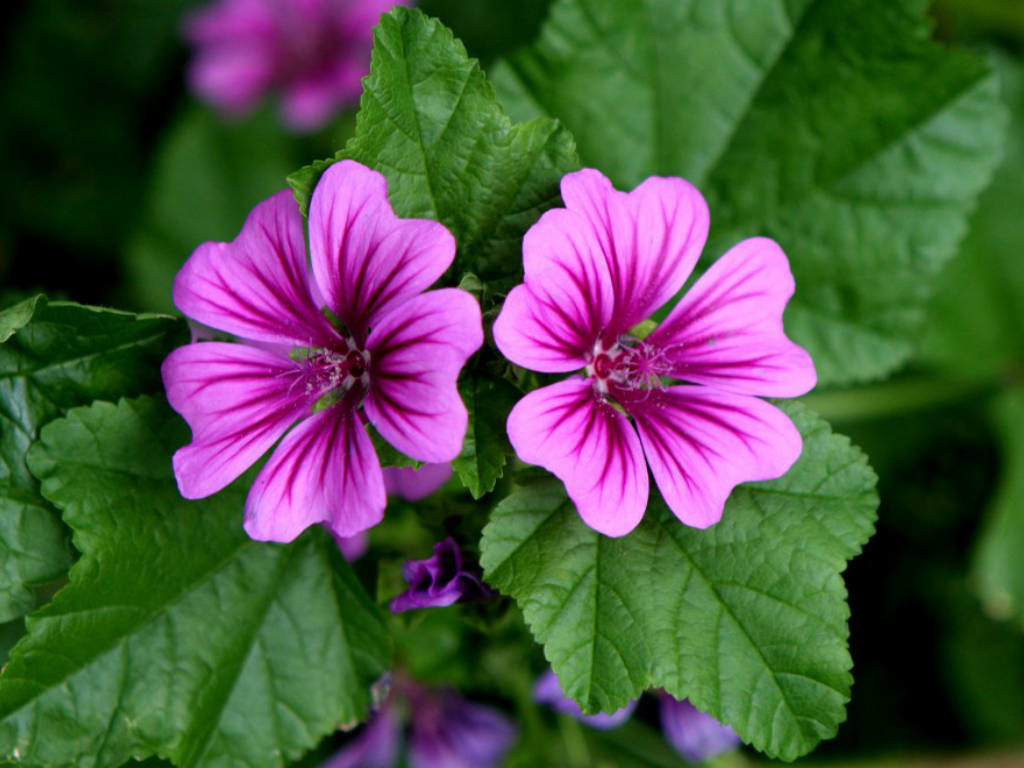
Mallow (*Malva sylvestris*) is known for its high mucilage content, which soothes irritated mucous membranes.
Understanding Laryngitis: Causes and Symptoms
To effectively manage laryngitis, it is important to first identify its potential cause.
Common Causes of Laryngitis
- Acute Laryngitis: Typically stems from viral infections (like the common cold) or vocal strain from overuse (e.g., shouting, singing).
- Chronic Laryngitis: Often develops from prolonged exposure to irritants. For instance, smoking, excessive alcohol consumption, chronic acid reflux (GERD), and persistent exposure to allergens or polluted air are common triggers.
Key Symptoms to Recognize
The primary symptom of laryngitis is hoarseness or a complete loss of voice. Additionally, individuals may experience:
- A persistent dry cough
- Sore or raw throat
- A tickling sensation or feeling of a lump in the throat
- Difficulty or pain when swallowing
- In cases of infection, a low-grade fever may also be present
Supportive Care for Laryngitis Recovery
Alongside any herbal or medical intervention, simple supportive measures can significantly speed up recovery. Therefore, experts recommend the following actions:
- Rest Your Voice: Avoid talking, whispering, or singing to allow the vocal cords to heal.
- Stay Hydrated: Drink plenty of warm, non-caffeinated fluids like water, broth, or herbal tea to keep the throat moist.
- Humidify Your Environment: Use a cool-mist humidifier to add moisture to the air, which helps soothe irritated airways. Alternatively, breathing in steam from a hot shower for 15-20 minutes can provide similar relief.
- Avoid Irritants: Steer clear of smoking, alcohol, and highly acidic or spicy foods that can further aggravate the larynx.
Mullein (Verbascum thapsus): The Respiratory Soother
Mullein has been a cornerstone of traditional European and North American herbalism for centuries, primarily used for respiratory conditions. Its flowers and leaves contain a unique combination of compounds that make it particularly suitable for laryngitis.
Mechanism of Action
Mullein’s therapeutic effects are attributed to several key components:
- Mucilage: This gel-like substance forms a soothing, protective film over the irritated mucous membranes of the throat, providing immediate relief from rawness and coughing.
- Saponins: These compounds have expectorant properties, which may help loosen and expel stubborn mucus from the respiratory tract.
- Iridoid Glycosides (like Aucubin): Research, including studies published in the Journal of Ethnopharmacology, indicates that these compounds possess anti-inflammatory properties, helping to reduce the swelling of the larynx.
- Flavonoids and Verbascoside: These antioxidants contribute to the plant’s overall anti-inflammatory and antimicrobial activity, as noted in various phytotherapy studies.
How to Prepare Mullein Tea
For effective and safe use, proper preparation is crucial.
- Place 1.5–2 grams (about 1-2 teaspoons) of dried mullein flowers or leaves into a cup.
- Pour 250 ml (approximately 8 oz) of boiling water over the herb.
- Cover and let it steep for 10–15 minutes.
- Crucial Step: Strain the tea through a very fine sieve, cheesecloth, or coffee filter to remove the plant’s tiny hairs (trichomes), which can irritate the throat if ingested.
- Drink one cup, up to three times per day.
Administration Protocol and Safety Limits
| Parameter | Guideline |
| Maximum Daily Dose | Up to 6 grams of dried herb per day for a healthy adult. |
| Treatment Duration | Use for 7-10 days for acute symptoms. |
| Mandatory Break | If symptoms persist, consult a healthcare provider. Not intended for long-term continuous use without professional guidance. |
| Administration Notes | Best consumed warm, between meals. Always strain meticulously to remove irritating hairs. |
Mallow (Malva sylvestris): The Demulcent Powerhouse
Common Mallow is celebrated for its exceptionally high mucilage content. Traditionally, it has been used to soothe internal and external inflammations, from sore throats to skin irritations.
Mechanism of Action
Mallow’s primary benefit for laryngitis comes from its polysaccharides (mucilage). When mixed with water, these compounds swell to form a viscous, gel-like substance that coats the throat. This action provides a powerful demulcent (soothing) effect, relieving the sensation of dryness and irritation while protecting the inflamed tissues from further aggravation.
Furthermore, according to a review in the journal Biomedical Chromatography, mallow contains phenolic compounds like caffeic acid and ferulic acid, which contribute mild anti-inflammatory and antioxidant effects.
How to Prepare Mallow Infusion
Mallow can be prepared as a hot infusion or a cold maceration to best extract its mucilage.
Hot Infusion Method:
- Add 2-3 grams (about 1 tablespoon) of dried mallow leaves and flowers to a cup.
- Pour 250 ml (8 oz) of hot (not boiling) water over the herb.
- Cover and steep for 15-20 minutes. The liquid will become slightly thick or slimy.
- Strain and drink warm, 2-3 times a day.
Administration Protocol and Safety Limits
| Parameter | Guideline |
| Maximum Daily Dose | Up to 10 grams of dried herb per day for a healthy adult. |
| Treatment Duration | Safe for use throughout the duration of acute symptoms, typically 7-14 days. |
| Mandatory Break | Consult a healthcare provider if symptoms do not improve after one week. |
| Administration Notes | Due to its high mucilage content, take at least 2 hours apart from any medications or other supplements, as it may slow their absorption. |
Specific Biological Limitation for Mucilaginous Herbs
Both Mullein and Mallow contain significant amounts of mucilage. This substance coats the gastrointestinal tract, which is beneficial for a sore throat but can also interfere with the absorption of nutrients and medications. This effect can be problematic for individuals who rely on precise timing and dosage of medications, such as those with diabetes (insulin), thyroid conditions (levothyroxine), or heart conditions.
Technical Warning: To avoid this interaction, consume Mullein or Mallow tea at least two hours before or after taking any prescription medications, over-the-counter drugs, or other dietary supplements.
Contraindications and Precautions
While generally considered safe, these herbs are not suitable for everyone.
- Pregnancy and Breastfeeding: There is insufficient safety data for the use of Mullein and Mallow during pregnancy or lactation. Therefore, it is best to avoid them.
- Allergies: Individuals with known allergies to plants in the Scrophulariaceae (Mullein) or Malvaceae (Mallow) families should avoid these herbs.
- Children: Consult a pediatrician or qualified healthcare practitioner before administering these herbs to children. Dosages must be adjusted based on weight.
- Drug Interactions: As mentioned, the mucilage in both plants can slow the absorption of oral medications. Use with caution and separate dosages accordingly.
Therapeutic Alternatives
If Mullein or Mallow are not suitable, other botanicals with strong traditional and scientific backing may provide relief:
- Licorice Root (Glycyrrhiza glabra): Offers powerful demulcent and anti-inflammatory properties. It is particularly effective for soothing sore throats but should be used with caution by individuals with high blood pressure or heart conditions.
- Slippery Elm (Ulmus rubra): The inner bark of this tree is extremely rich in mucilage, making it a premier demulcent for coating and soothing an irritated throat. It is generally considered very safe.
- Marshmallow Root (Althaea officinalis): A relative of Mallow, it contains even higher concentrations of mucilage and is a classic remedy for sore throats and dry coughs.
Recent Medical Research (2020-2026)
Modern research continues to validate the traditional uses of these plants. A 2022 review on Verbascum species published in the journal Molecules highlighted their potent antiviral, antioxidant, and anti-inflammatory activities, reinforcing their role in managing respiratory ailments. Similarly, ongoing research into plant-based polysaccharides confirms the efficacy of high-mucilage herbs like Mallow for treating irritation of mucous membranes, as supported by monographs from the European Medicines Agency (EMA).
However, clinical trials on humans specifically for laryngitis remain limited. Most evidence is derived from in-vitro studies, animal models, and centuries of traditional use.
Specialist’s Summary
Mullein and Mallow are valuable phytotherapeutic options for the symptomatic relief of laryngitis, primarily due to their demulcent and anti-inflammatory properties. They are most effective for soothing a raw, irritated throat and reducing a dry cough, with effects typically felt shortly after consumption. However, they are contraindicated during pregnancy and may interact with oral medications by slowing absorption. Validated alternatives include Licorice Root and Slippery Elm.
Frequently Asked Questions
How quickly does Mullein or Mallow tea work for a sore throat?
The demulcent effect is often felt immediately, providing a soothing coating that can relieve rawness and the urge to cough within minutes of drinking the tea. The anti-inflammatory benefits may take a day or two of consistent use to become noticeable.
Can I combine Mullein and Mallow in the same tea?
Yes, combining these two herbs is a common practice in traditional herbalism. A blend can offer both the potent demulcent properties of Mallow and the expectorant and anti-inflammatory actions of Mullein. Use about 1 teaspoon of each herb per cup.
Is it safe to use these herbs if my laryngitis is from acid reflux?
Yes, the demulcent properties of Mallow and Mullein can be particularly helpful in protecting the throat lining from stomach acid. However, they do not treat the underlying cause (GERD), which requires medical diagnosis and a comprehensive treatment plan.
Sources and References
- European Medicines Agency (EMA). Community herbal monograph on Malva sylvestris L. and Malva neglecta Wallr., flos.
- Riaz, M., et al. (2022). A Comprehensive Review on the Phytochemistry, Traditional Uses, and Pharmacological Activities of the Genus Verbascum. Molecules, 27(15), 4699.
- Speranza, L., et al. (2009). Anti-inflammatory effects in rat pouch granuloma of phenylpropanoid glycosides from Verbascum sinuatum. Journal of Biological Regulators and Homeostatic Agents.
⚠️ Important Medical Information
This article is for educational and informational purposes only and is not intended as medical advice, diagnosis, or treatment. The information provided about Mullein and Mallow is based on traditional use, preliminary research, and available scientific evidence, which may be limited.
Before using Mullein or Mallow:
- Consult a qualified healthcare provider, especially if you are pregnant, breastfeeding, taking medications, or have existing health conditions like GERD or allergies.
- Do not use as a substitute for prescribed medications or professional medical treatment. If symptoms worsen or persist for more than a week, seek medical attention.
- Individual results may vary – what works for one person may not work for another.
- Monitor for adverse reactions and discontinue use if negative symptoms occur.
Regulatory status: Mullein and Mallow are considered dietary supplements/traditional remedies and have not been evaluated by the FDA for treating, curing, or preventing any disease.
Last updated: 2024-05-21