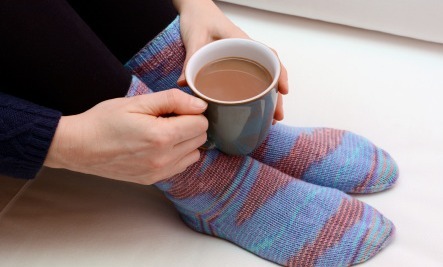
Persistently cold hands and feet, even in warm environments, can be more than just a minor discomfort. While often a normal response of the body to conserve heat, it can sometimes signal an underlying health condition affecting your circulatory system. This phenomenon, known as peripheral vasoconstriction, involves the narrowing of blood vessels in your extremities. Consequently, blood flow is restricted, leading to a sensation of coldness, and occasionally, numbness or pain.
Understanding the potential causes is the first step toward addressing the issue. Therefore, it is crucial to consider these possibilities and consult a healthcare provider for an accurate diagnosis.

Potential Medical Reasons for Cold Extremities
If you consistently experience cold hands and feet, it may be linked to one of several health conditions. Importantly, self-diagnosis is not recommended; professional medical evaluation is essential.
1. Raynaud’s Phenomenon
Raynaud’s phenomenon is a condition where blood vessels in the fingers and toes go into vasospasm, a sudden and temporary constriction. This spasm dramatically reduces blood flow. For instance, exposure to cold temperatures or emotional stress can trigger an episode, causing the affected areas to turn white, then blue, and feel cold or numb. As blood flow returns, the skin typically turns red and may throb or tingle.
2. Anemia
Anemia, particularly iron-deficiency anemia, occurs when your blood lacks sufficient healthy red blood cells to carry adequate oxygen to your body’s tissues. Besides cold extremities, the most common symptoms include persistent fatigue, weakness, pale skin, and headaches. In this case, the body prioritizes oxygen delivery to vital organs, reducing flow to the hands and feet.
3. Hypothyroidism (Underactive Thyroid)
The thyroid gland acts as the body’s thermostat, regulating metabolism and temperature. When the thyroid is underactive (hypothyroidism), it doesn’t produce enough thyroid hormone. As a result, your metabolism slows down, leading to a decreased heart rate and reduced blood flow, which can cause a persistent feeling of coldness. Furthermore, other common symptoms include fatigue, weight gain, lethargy, and dry skin.
4. Diabetes
Over time, high blood sugar levels associated with diabetes can damage the lining of small blood vessels, impairing circulation. This condition, known as peripheral artery disease (PAD), is common in individuals with diabetes. Additionally, diabetes can cause peripheral neuropathy (nerve damage), which may also make the feet feel cold, numb, or tingly, even if they are warm to the touch.
5. Chronic Stress
When you experience stress, your body enters a “fight-or-flight” mode, releasing adrenaline. This hormone causes blood vessels in the extremities to constrict to redirect blood flow to major organs like the heart and lungs. While this is a normal short-term response, chronic stress can lead to prolonged periods of reduced peripheral circulation, resulting in consistently cold hands and feet.
Natural Support for Peripheral Circulation: Ginger
While addressing the underlying medical condition is paramount, certain traditional remedies may help support healthy circulation. Ginger (*Zingiber officinale*) is a well-known warming herb traditionally used to stimulate blood flow. Its active compounds, such as gingerols and shogaols, are thought to promote vasodilation (the widening of blood vessels).
| Feature | Description |
|---|---|
| Mechanism of Action | Research suggests ginger’s compounds may enhance thermogenesis and improve peripheral circulation by relaxing blood vessels. A study in the journal Metabolism (2012) noted its potential to increase the body’s thermal effect. |
| Traditional Use | In both Ayurveda and Traditional Chinese Medicine, ginger has been used for centuries as a circulatory stimulant to warm the body and dispel cold. |
| Simple Preparation | Prepare a simple ginger tea by steeping 1-2 thin slices of fresh ginger root in a cup of hot water for 10-15 minutes. |
Administration Protocol and Safety Limits for Ginger
To use ginger safely and effectively, it is essential to follow established guidelines.
- Treatment Duration: Use for circulatory support should be cyclical. For example, consume daily for up to 4 weeks, followed by a mandatory break of at least 1-2 weeks.
- Maximum Daily Dose: For a healthy adult, the generally accepted maximum daily dose of fresh ginger is around 4 grams. Exceeding this amount may increase the risk of side effects like heartburn or stomach upset.
- Administration: It is best to consume ginger tea or preparations after a meal to minimize the risk of gastrointestinal irritation.
Specific Biological Limitation
Ginger contains compounds that can influence platelet aggregation, which is the process of blood clotting. While this can be beneficial in some contexts, it becomes a significant risk for individuals with bleeding disorders or those taking anticoagulant (blood-thinning) medications. Therefore, its anti-platelet effect means it can potentially increase the risk of bleeding when combined with certain drugs.
Contraindications and Precautions
Absolute Contraindications:
- Bleeding Disorders: Individuals with conditions like hemophilia should avoid ginger supplements.
- Pre-Surgery: Discontinue ginger use at least two weeks before any scheduled surgery to reduce the risk of excessive bleeding.
Major Drug Interactions:
- Anticoagulants and Antiplatelets (e.g., Warfarin, Aspirin, Clopidogrel): Combining ginger with these medications significantly increases the risk of bleeding and bruising. Consult your doctor before use.
- Diabetes Medications: Ginger may lower blood sugar levels. Consequently, using it alongside diabetes drugs could cause hypoglycemia (dangerously low blood sugar).
- Blood Pressure Medications: Ginger may lower blood pressure, potentially enhancing the effect of antihypertensive drugs.
Therapeutic Alternatives
If ginger is not suitable for you, other botanicals have been traditionally used and studied for circulatory support. However, each has its own safety profile.
- Ginkgo Biloba: Traditionally used to enhance microcirculation, ginkgo may help improve blood flow to small capillaries in the hands and feet. Research published in Clinical Rheumatology suggests it may reduce the frequency of attacks in patients with Raynaud’s phenomenon.
- Hawthorn (*Crataegus spp.*): Known as a cardiotonic herb, hawthorn supports overall cardiovascular health, including heart function and blood vessel integrity. It is often used in phytotherapy for long-term circulatory wellness rather than for acute warming effects.
Recent Medical Research (2020-2026)
Modern research continues to explore natural compounds for circulatory health. A 2021 meta-analysis in the journal Complementary Therapies in Medicine reviewed the effects of various herbal medicines on Raynaud’s phenomenon, highlighting preliminary but positive evidence for Ginkgo biloba. However, the authors emphasized the need for larger, more rigorous clinical trials to confirm these findings. Current research limitations include small sample sizes and variability in herbal preparation quality.
Specialist’s Summary
Persistently cold hands and feet can be a key indicator of underlying health issues like anemia, hypothyroidism, or diabetes, which require medical diagnosis. For general circulatory support, botanicals like Ginger may offer a warming effect due to their vasodilatory properties. However, it is contraindicated for individuals on blood thinners or with bleeding disorders. Validated alternatives with different mechanisms include Ginkgo Biloba for microcirculation and Hawthorn for overall cardiovascular support.
Frequently Asked Questions
1. When should I see a doctor for cold hands and feet?
You should consult a healthcare provider if the coldness is persistent, severe, accompanied by pain, skin color changes (white or blue), sores, or other symptoms like fatigue, weight changes, or shortness of breath.
2. Can diet affect my circulation and cause cold hands?
Yes, significantly. An iron-deficient diet can lead to anemia, a primary cause of cold extremities. Additionally, ensuring adequate intake of B vitamins, particularly B12, is crucial for nerve health and red blood cell formation.
3. Is it safe to use ginger every day for circulation?
While generally safe for many, daily long-term use is not recommended without breaks. A common protocol is to use it for 3-4 weeks, followed by a 1-2 week break. Always stay within the recommended daily dose of 4 grams of fresh ginger to avoid side effects.
Sources and References
- Malekshahi, H., et al. (2021). “Herbal medicines for the treatment of primary Raynaud’s phenomenon: A systematic review.” *Complementary Therapies in Medicine*.
- Mansour, M. S., et al. (2012). “Ginger consumption enhances the thermic effect of food and promotes feelings of satiety without affecting metabolic and hormonal parameters in overweight men: a pilot study.” *Metabolism*.
- Muir, A. H., et al. (2002). “The use of ginkgo biloba in Raynaud’s disease: a double-blind placebo-controlled trial.” *Vascular Medicine*.
⚠️ Important Medical Information
This article is for educational and informational purposes only and is not intended as medical advice, diagnosis, or treatment. The information provided about natural remedies is based on traditional use, preliminary research, and available scientific evidence, which may be limited.
Before using any herbal remedy:
- Consult a qualified healthcare provider, especially if you are pregnant, breastfeeding, taking medications, or have existing health conditions like those mentioned in this article.
- Do not use as a substitute for prescribed medications or professional medical treatment for diagnosed conditions.
- Individual results may vary – what works for one person may not work for another.
- Monitor for adverse reactions and discontinue use if negative symptoms occur.
Regulatory status: Herbal products are considered dietary supplements and have not been evaluated by the FDA for treating, curing, or preventing any disease.
3 comments
Interesting, Tamra Combs Gamblin is it your hands & feet that are always cold or just all of you? lol
Mostly hands and feet. Sometimes all. I will take a look at this:)