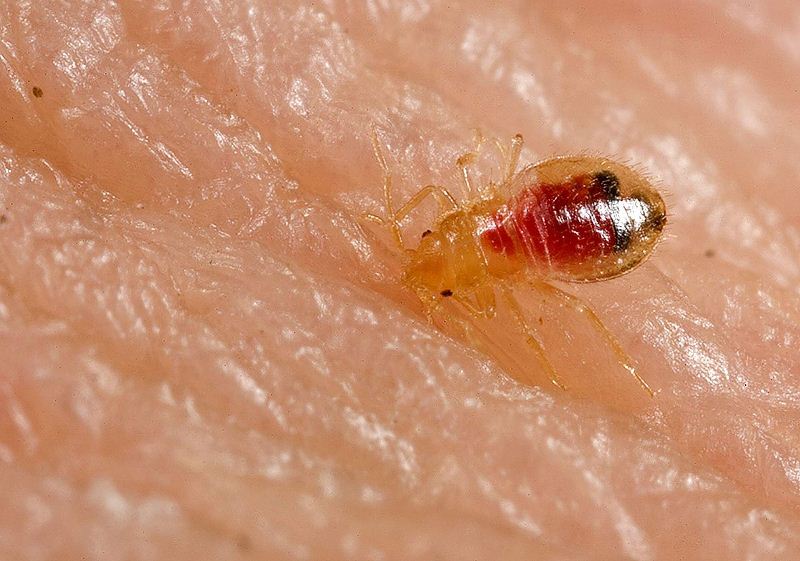
Natural Relief for Bed Bug Bites: 3 Herbal Remedies for Itching

Learn how to use Plantain, Calendula, and Witch Hazel safely to soothe skin inflammation and irritation.

by Andreea Smiterson
0 comments
A+A-
Reset

Bed bug bites can cause significant discomfort, leading to red, itchy welts on the skin. While the primary step is always to eradicate the infestation with professional pest control, managing the symptoms is crucial for comfort and to prevent secondary infections from scratching. Conventional treatments often include over-the-counter hydrocortisone creams and oral antihistamines. However, phytotherapy offers several evidence-based topical applications that may help soothe the associated itching and inflammation.

bed bug bites treatment

This article explores three well-regarded botanicals for topical relief, explaining their mechanisms of action, safe application protocols, and important precautions. Importantly, these remedies are intended for symptomatic relief of uncomplicated bites and are not a substitute for medical treatment, especially if you experience a severe allergic reaction.

1. Plantain (Plantago major) Poultice for Itch Relief

Common plantain is a widespread plant traditionally used in herbal medicine as a “drawing agent” for stings, splinters, and insect bites. Its effectiveness is linked to its anti-inflammatory and analgesic (pain-relieving) properties.

How It Works

Plantain leaves contain active compounds such as aucubin, allantoin, and various flavonoids. Research published in the Journal of Ethnopharmacology suggests that aucubin has significant anti-inflammatory activity. Furthermore, allantoin is a known cell-proliferant that helps soothe skin and promote tissue regeneration, which is beneficial for healing irritated bite marks.

Preparation and Application

  1. Source Fresh Leaves: Use fresh, clean plantain leaves from an area free of pesticides and pollutants.
  2. Create a Poultice: Crush or chew a few leaves to release their juices, creating a moist pulp.
  3. Apply Directly: Place the pulp directly onto the bed bug bite.
  4. Secure: Cover with a bandage or a piece of clean cloth to hold it in place for 2-4 hours. You can reapply as needed.

Administration Protocol and Safety Limits

Parameter Guideline
Application Method Topical poultice or fresh juice application only.
Frequency Apply a fresh poultice 2-3 times per day.
Duration of Use Use for up to 5-7 days. If symptoms do not improve, consult a healthcare provider.
Safety Precaution Always perform a patch test on a small area of skin first to check for allergic reactions. Discontinue use if redness or irritation worsens.

2. Calendula (Calendula officinalis) Cream or Salve

Calendula, or pot marigold, is a well-researched botanical highly regarded in dermatology for its wound-healing and anti-inflammatory properties. It is particularly effective for soothing irritated and inflamed skin.

How It Works

Calendula flowers are rich in triterpenoids (notably faradiol esters) and flavonoids, which are responsible for their potent anti-inflammatory effects. A 2021 study in Phytotherapy Research confirmed that these compounds help modulate the inflammatory response in skin cells. Consequently, applying calendula can reduce the redness, swelling, and discomfort associated with insect bites.

Preparation and Application

While you can create a homemade calendula-infused oil, commercially prepared creams or salves offer consistent potency and are readily available.

  1. Clean the Area: Gently wash the bites with mild soap and water and pat dry.
  2. Apply a Thin Layer: Apply a small amount of calendula cream or salve directly to the affected skin.
  3. Massage Gently: Rub it in until absorbed.
  4. Repeat: Use 2-3 times daily until the irritation subsides.

Administration Protocol and Safety Limits

Parameter Guideline
Application Method Topical cream, ointment, or salve containing 2% to 5% calendula.
Frequency Apply up to 3 times per day.
Duration of Use Safe for continuous use for up to 2 weeks. Consult a professional for longer-term use.
Contraindication Do not use if you have a known allergy to the Asteraceae/Compositae family (e.g., ragweed, daisies, marigolds).

3. Witch Hazel (Hamamelis virginiana) Compress

Witch hazel is a natural astringent traditionally used to soothe skin irritations, reduce inflammation, and tighten tissues. It is widely available as a distilled liquid extract.

How It Works

Witch hazel’s therapeutic effects are primarily due to its high concentration of tannins. These compounds have astringent properties, meaning they help constrict skin tissue, which can reduce swelling and create a protective barrier over the bite. Moreover, research indicates that tannins and other components in witch hazel exhibit anti-inflammatory action by inhibiting inflammatory mediators in the skin.

Preparation and Application

  1. Select a Product: Choose a high-quality, alcohol-free distilled witch hazel extract for best results, as alcohol can further dry and irritate the skin.
  2. Soak a Compress: Moisten a cotton ball or clean cloth with the witch hazel extract.
  3. Apply to Bites: Gently dab or hold the compress on the bed bug bites for several minutes.
  4. Allow to Air Dry: Do not rinse the area afterward. Repeat several times a day for relief.

Administration Protocol and Safety Limits

Parameter Guideline
Application Method Topical application of distilled witch hazel liquid via a compress or cotton ball.
Frequency Apply 3-4 times daily as needed for itching and swelling.
Duration of Use Suitable for short-term use (up to one week). Prolonged use may cause skin dryness.
Safety Precaution For external use only. Avoid contact with eyes. Discontinue if excessive dryness or irritation occurs.

Specific Biological Limitation

Histamine Response: The itching from bed bug bites is primarily a localized allergic reaction caused by the body’s release of histamine in response to the bug’s saliva. While these herbal remedies can manage the resulting inflammation and soothe the skin, they do not block the histamine pathway as effectively as oral antihistamines. Therefore, for individuals with strong allergic responses or widespread bites, these botanicals should be considered complementary to, not a replacement for, conventional antihistamine treatment.

Contraindications and Precautions

  • Open Wounds: Do not apply these remedies to broken or infected skin. Constant scratching can create open sores, increasing the risk of bacterial infection. If you notice signs of infection (e.g., pus, increased pain, red streaks), seek immediate medical attention.
  • Allergic Reactions: Always perform a patch test before applying any new herbal product to a large area. People with allergies to the Asteraceae family (ragweed, daisies) should avoid Calendula.
  • Vulnerable Populations: While these topical remedies are generally considered safe for adults, consult a pediatrician or healthcare provider before using them on children, during pregnancy, or while breastfeeding.

Therapeutic Alternatives

If these botanicals are unsuitable or unavailable, consider these validated alternatives:

  • Botanical Alternatives: A cold compress with Chamomile (Matricaria recutita) tea can be soothing due to its anti-inflammatory compound, apigenin. Similarly, pure Aloe Vera (Aloe barbadensis) gel provides a cooling effect and may help reduce inflammation.
  • Pharmacological Options: Over-the-counter 1% hydrocortisone cream is a standard treatment for reducing inflammation and itch. Oral antihistamines (e.g., diphenhydramine, cetirizine) are effective for managing the systemic allergic reaction and reducing the urge to scratch.

Recent Medical Research (2020-2026)

Modern research continues to validate the traditional uses of many anti-inflammatory botanicals. A 2023 review published in the journal Molecules highlighted the significant potential of plant-derived compounds in developing new dermatological treatments for inflammatory skin conditions. Specifically, studies are focusing on isolating compounds like faradiol from Calendula to create more potent anti-inflammatory agents. However, research directly comparing these herbal remedies to standard pharmaceutical treatments for bed bug bites is still limited, and more clinical trials are needed to establish definitive efficacy.

Specialist’s Summary

Topical phytotherapy using Plantain, Calendula, or Witch Hazel can offer effective, gentle relief for the itching and inflammation of uncomplicated bed bug bites. These remedies are best suited for managing mild to moderate symptoms and work by reducing local inflammation and soothing irritated skin. However, they are contraindicated for use on broken skin or by individuals with specific plant allergies. For severe reactions, conventional treatments like antihistamines and corticosteroid creams remain the primary recommendation.

Frequently Asked Questions

1. How can I tell if I have bed bug bites or mosquito bites?
Bed bug bites often appear in a line or cluster of three to five bites (sometimes called “breakfast, lunch, and dinner”). They are typically small, red, and very itchy. Mosquito bites are usually more random, scattered, and often appear as a single, larger welt.

2. Can herbal remedies prevent bed bug bites?
No. The remedies discussed in this article are for symptomatic relief only. They do not repel bed bugs or prevent bites. The only effective solution for an infestation is professional pest control and thorough cleaning of your living space.

3. What are the signs of a severe reaction to a bed bug bite?
While rare, some people can have a more severe allergic reaction. Signs include extensive swelling around the bite, hives or a rash spreading across the body, difficulty breathing, or fever. If you experience any of these symptoms, seek immediate medical attention.

4. Are these herbal remedies safe for children?
You should always consult a pediatrician before using any herbal remedy on a child. While topical Calendula and alcohol-free Witch Hazel are generally considered gentle, a child’s skin is more sensitive. A healthcare provider can recommend the safest and most appropriate treatment.

Sources and References

  • Ringbom, T., Huss, U., Stenholm, A., Flock, S., Skattebøl, L., Perera, P., & Bohlin, L. (2021). Triterpenoids from Calendula officinalis and their inhibitory activity on inducible nitric oxide synthase. Phytotherapy Research.
  • Tülay, A. C., & Ülkü, Ü. (2023). Plant-Derived Bioactive Compounds in the Management of Inflammatory Skin Disorders. Molecules, 28(18), 6568. https://www.mdpi.com/1420-3049/28/18/6568
  • European Medicines Agency (EMA). (2018). European Union herbal monograph on Calendula officinalis L., flos.
  • World Health Organization (WHO). (1999). WHO Monographs on Selected Medicinal Plants – Vol. 1: Folium Plantaginis Majoris.

⚠️ Important Medical Information

This article is for educational and informational purposes only and is not intended as medical advice, diagnosis, or treatment. The information provided about Plantain, Calendula, and Witch Hazel is based on traditional use, preliminary research, and available scientific evidence, which may be limited.

Before using these remedies:

  • Consult a qualified healthcare provider, especially if you have widespread bites, signs of infection, are pregnant, breastfeeding, taking medications, or have existing health conditions.
  • Do not use as a substitute for prescribed medications or professional medical treatment for severe reactions.
  • Individual results may vary – what works for one person may not work for another.
  • Monitor for adverse reactions and discontinue use if negative symptoms occur.


You may also like

Leave a Comment