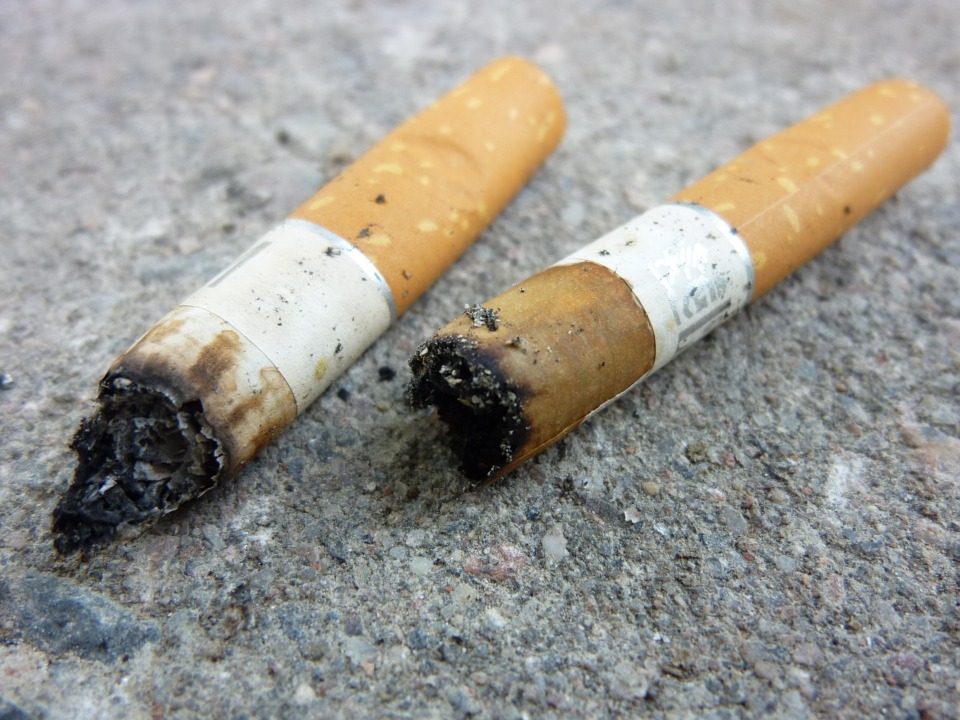
Quitting smoking is the single most important step you can take for your respiratory health. Once you stop, your body immediately begins a remarkable process of repair. While no remedy can instantly “eliminate” years of accumulated tar or reverse all damage, certain natural approaches can support your body’s inherent healing mechanisms. This guide provides evidence-based information on how to support your lung health during this recovery period.
Crucially, the information here is for educational purposes. It is essential to consult with a healthcare provider to create a comprehensive health plan after quitting smoking, especially if you have pre-existing respiratory conditions like COPD or asthma.

How Your Lungs Begin to Heal After Smoking
Within weeks of quitting, the cilia—tiny, hair-like structures that line your airways—begin to regrow and function properly again. Their job is to sweep mucus, debris, and trapped particles out of the lungs. As they recover, you may experience a temporary increase in coughing, which is a positive sign that your lungs are actively clearing themselves out. Supporting this natural process with proper hydration, nutrition, and gentle herbal remedies can be beneficial.
A Supportive Herbal Elixir for Respiratory Wellness
This traditional elixir combines ingredients known for their anti-inflammatory and antioxidant properties. Instead of viewing it as a “cleanser,” consider it a tonic that may help soothe inflammation and support the body’s natural detoxification pathways.
Ingredients
- 400 grams (approx. 2 medium) yellow onions, chopped
- 1-inch piece of fresh ginger root, grated
- 2 teaspoons of high-quality turmeric powder
- 400 grams (approx. 1 1/4 cups) of raw honey
- 1 liter of water
Preparation Method
- First, bring the water to a gentle boil in a saucepan.
- Add the chopped onions and grated ginger to the water. Bring it back to a simmer.
- Next, stir in the turmeric powder and reduce the heat to low.
- Allow the mixture to simmer gently until the liquid has reduced by about half. This concentrates the active compounds.
- Remove the pot from the heat and let it cool to a lukewarm temperature. It is important not to add honey to boiling liquid, as high heat can degrade its beneficial enzymes.
- Strain the liquid through a fine-mesh sieve into a clean glass jar.
- Finally, stir in the raw honey until it is completely dissolved. Seal the jar and store it in the refrigerator.
How the Ingredients May Offer Support
- Ginger (Zingiber officinale): Traditionally used as an expectorant, ginger may help loosen and expel mucus from the airways. Furthermore, research published in journals like Molecular Nutrition & Food Research indicates that its active compounds, such as gingerol, possess potent anti-inflammatory and antioxidant effects.
- Turmeric (Curcuma longa): The primary active compound, curcumin, is one of the most studied natural anti-inflammatories. It works by helping to modulate inflammatory pathways in the body, which may be beneficial for soothing irritated respiratory tissues.
- Onion (Allium cepa): Onions are a rich source of quercetin, a flavonoid antioxidant that has been studied for its ability to protect against oxidative stress, a key component of smoking-related lung damage.
Administration Protocol and Safety Limits
To ensure both safety and efficacy, it is vital to adhere to a structured protocol when using this or any herbal preparation.
| Parameter | Guideline |
| Recommended Dose | 1-2 tablespoons (15-30 ml) twice daily. |
| Timing | Take the first dose in the morning on an empty stomach, 30 minutes before breakfast. Take the second dose in the evening, at least 2 hours after your last meal. |
| Treatment Duration | Use for a maximum of 14 consecutive days. |
| Mandatory Break | Take a 7-day break before considering another cycle. This prevents the body from adapting and reduces the risk of potential side effects. |
| Overdose Risk | Exceeding the recommended dose may lead to gastrointestinal upset, heartburn, or diarrhea, primarily due to the ginger and turmeric content. |
Specific Biological Limitation
Curcumin’s Effect on Blood Clotting: Turmeric contains curcumin, which has mild anticoagulant (blood-thinning) properties. While beneficial for some, this effect can become dangerous for individuals already taking blood-thinning medications or those with bleeding disorders. It works by inhibiting platelet aggregation, which is a critical step in the blood clotting process. Therefore, combining it with pharmaceutical anticoagulants can significantly increase the risk of bruising and bleeding.
Contraindications and Precautions
This elixir is not suitable for everyone. Please review the following contraindications carefully.
- Absolute Contraindications: Do not use this remedy if you have gallbladder disease, bile duct obstruction, or kidney stones, as turmeric can worsen these conditions. Avoid use if you have a known allergy to ginger, turmeric, or onions.
- Vulnerable Populations:
- Pregnancy and Breastfeeding: Not recommended due to the concentrated amounts of active herbal compounds.
- Children: Not suitable for children under 12. Honey should never be given to infants under 1 year of age due to the risk of botulism.
- Major Drug Interactions:
- Anticoagulants (e.g., Warfarin, Eliquis): Turmeric and ginger can amplify the effects of these drugs, increasing bleeding risk.
- Diabetes Medications: Both ginger and turmeric may lower blood sugar levels. Consequently, combining them with diabetes medication could lead to hypoglycemia. Monitor blood sugar levels closely if you choose to use this remedy.
- Antacids: Turmeric may increase stomach acid, potentially interfering with the action of medications like omeprazole or ranitidine.
- When to Stop Immediately: Discontinue use if you experience persistent stomach pain, heartburn, or any signs of an allergic reaction (such as a rash or swelling).
Therapeutic Alternatives for Respiratory Support
If the elixir is not suitable for you, or if you wish to explore other options, several well-regarded botanicals can support respiratory health. Importantly, each has its own safety profile.
- Mullein (Verbascum thapsus): Traditionally used in European and American folk medicine as a premier lung tonic. Mullein acts as an expectorant, helping to thin mucus, and as a demulcent, soothing irritated mucous membranes. It is typically consumed as a tea or tincture.
- Thyme (Thymus vulgaris): Recognized by official monographs like the German Commission E for its use in bronchitis and whooping cough. Thyme contains thymol, which has antispasmodic and expectorant properties, helping to relax airways and clear congestion.
- N-acetylcysteine (NAC): While not an herb, NAC is a powerful supplement and a precursor to the antioxidant glutathione. It is a potent mucolytic, meaning it breaks down thick mucus, making it easier to clear from the lungs. It is widely used in clinical settings for respiratory conditions and is available over-the-counter.
Recent Medical Research (2020-2026)
Modern science continues to investigate the potential of these natural compounds for lung health.
- A 2022 review published in Nutrients highlighted curcumin’s potential to mitigate inflammatory lung conditions by down-regulating pro-inflammatory cytokines. While much of the research is preclinical, it points towards a strong scientific basis for its anti-inflammatory effects on lung tissue.
- Research on NAC remains robust. A 2020 meta-analysis confirmed its efficacy as a mucolytic agent in patients with chronic bronchitis, demonstrating its value in managing conditions characterized by excessive mucus production.
Current Limitations: It is important to note that most human studies on these herbs focus on specific conditions like COPD or asthma, not on general “lung cleansing” for former smokers. More research is needed in this specific population.
Specialist’s Summary
This herbal elixir, featuring turmeric, ginger, and onion, may offer modest support for lung health after smoking cessation by reducing inflammation and aiding mucus clearance. It is best used as a short-term tonic for up to 14 days, with significant contraindications for individuals on blood thinners or with gallbladder issues. Validated alternatives with stronger evidence for respiratory support include Mullein tea for soothing irritation and NAC supplements for effectively thinning mucus.
Frequently Asked Questions
1. Can you completely clean tar from your lungs after quitting smoking?
No, it is not possible to completely “clean” or eliminate all the tar accumulated from years of smoking. However, lung function can improve significantly. The body’s natural mechanisms will clear some debris over time, and quitting prevents further damage, allowing for substantial healing.
2. How long does it take for lungs to start healing after quitting?
The healing process begins almost immediately. Within 2-12 weeks, your circulation improves, and lung function increases. Within 1-9 months, coughing and shortness of breath decrease as the cilia regain normal function. The risk of smoking-related diseases continues to drop for years afterward.
3. Is this recipe a substitute for medical treatment for lung conditions?
Absolutely not. This elixir is a supportive home remedy and should never be used to replace prescribed medications or professional medical care for conditions like asthma, COPD, bronchitis, or lung cancer. Always consult your doctor.
Sources and References
- Townsend, E. A., & Emala, C. W. (2013). Quercetin acutely relaxes airway smooth muscle and potentiates β-agonist-induced relaxation via dual phosphodiesterase inhibition. American Journal of Physiology-Lung Cellular and Molecular Physiology.
- Hosseinzadeh, A., & Juybari, K. B. (2022). A Review on the Effects of Curcumin in the Treatment of Pulmonary Diseases. Nutrients.
- Cazzola, M., et al. (2020). The effect of N-acetylcysteine on symptoms, health status and exacerbations in patients with chronic bronchitis: A meta-analysis of randomized controlled trials. Pulmonary Pharmacology & Therapeutics.
- European Medicines Agency (EMA). Community herbal monograph on Thymus vulgaris L. and Thymus zygis L., herba.
⚠️ Important Medical Information
This article is for educational and informational purposes only and is not intended as medical advice, diagnosis, or treatment. The information provided about this herbal elixir and its ingredients is based on traditional use, preliminary research, and available scientific evidence, which may be limited.
Before using this remedy:
- Consult a qualified healthcare provider, especially if you are pregnant, breastfeeding, taking medications (particularly blood thinners or diabetes drugs), or have existing health conditions like gallbladder disease.
- Do not use as a substitute for prescribed medications or professional medical treatment.
- Individual results may vary – what works for one person may not work for another.
- Monitor for adverse reactions and discontinue use if negative symptoms occur.
Regulatory status: The ingredients in this remedy are considered foods or dietary supplements and have not been evaluated by the FDA for treating, curing, or preventing any disease.
4 comments
This may be a good one for your cough Rhonwen Owen ????
It call for grams. What is the ounces?
Yuk so gross thank god I’ve never smoked so disgusting.
simple stop smoking ..