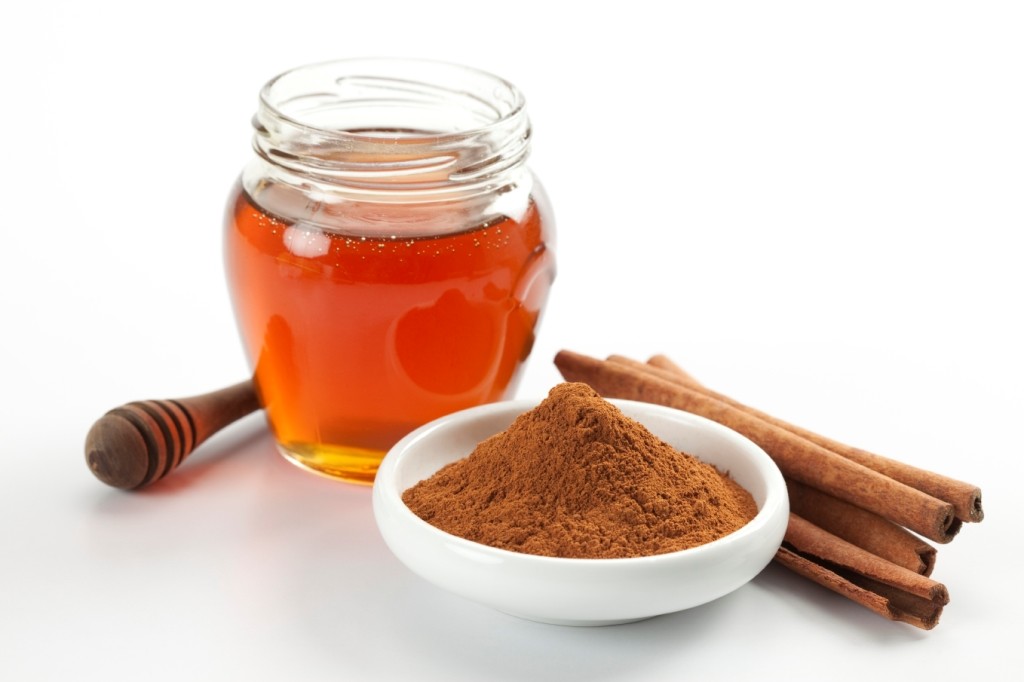
Honey and Cinnamon for Blood Sugar Support: Benefits and Safety Guide

by Andreea Smiterson
0 comments
A+A-
Reset

Honey and cinnamon are two natural ingredients that have been valued in traditional medicine for centuries. While often touted online for a wide range of unverified “cures,” a more careful, evidence-based approach reveals their potential supportive roles in health, particularly concerning metabolic function and antioxidant support. However, understanding their properties, limitations, and safety protocols is crucial for responsible use.

This article, written from a phytotherapy specialist’s perspective, will clarify the scientifically plausible benefits of honey and cinnamon, eliminate unsubstantiated claims, and provide clear safety guidelines for their use.

honey and cinnamon benefits

Potential Health Benefits: A Scientific Perspective

Instead of viewing honey and cinnamon as a “miracle cure,” it is more accurate to consider their potential as adjuvants within a healthy lifestyle. Furthermore, their primary benefits stem from their distinct properties, which can work synergistically.

1. Supporting Metabolic Health and Blood Sugar Regulation

This is the most researched area for this combination, but it comes with significant caveats. Several studies suggest that cinnamon may help improve insulin sensitivity, a key factor in metabolic health. For instance, the active compound cinnamaldehyde may help cells utilize glucose more effectively.

A meta-analysis published in the Journal of the Endocrine Society indicated that cinnamon intake could lead to modest improvements in fasting blood glucose in individuals with prediabetes. Honey, while a form of sugar, has a lower glycemic index than refined sugar and contains beneficial enzymes and antioxidants. Consequently, when used in moderation to replace other sweeteners, it may have a less dramatic impact on blood sugar levels.

Important Note: This combination does not treat or cure diabetes. Individuals with diabetes or metabolic syndrome must consult their healthcare provider before incorporating it into their diet, as it can interact with medications and requires careful monitoring.

2. Antimicrobial and Soothing Properties for Respiratory Comfort

Honey is recognized by the World Health Organization (WHO) as a potential demulcent for soothing coughs, particularly in children over one year of age. Its thick consistency coats the throat, providing temporary relief from irritation. Additionally, raw honey, especially Manuka honey, has well-documented antimicrobial properties due to its hydrogen peroxide content and other non-peroxide factors.

Cinnamon also possesses antimicrobial and anti-inflammatory properties. Therefore, a warm drink combining honey and cinnamon can be a comforting, traditional remedy for soothing a sore throat or cough associated with the common cold. It helps by providing hydration, soothing irritation, and offering mild antimicrobial support.

3. Antioxidant Support for Cellular Health

Both honey and cinnamon are rich in antioxidants, such as polyphenols and flavonoids. These compounds help neutralize free radicals, which are unstable molecules that can cause oxidative stress and damage cells. Chronic oxidative stress is linked to various long-term health issues.

Including antioxidant-rich ingredients like cinnamon and high-quality raw honey in your diet contributes to your overall antioxidant intake, which supports long-term cellular health. This is not a treatment for any disease but rather a component of a preventative, health-conscious diet.

Critical Safety Alert: Cassia vs. Ceylon Cinnamon

Before using cinnamon therapeutically, it is essential to distinguish between its two main types, as they have different safety profiles.

Feature Cassia Cinnamon (Cinnamomum cassia) Ceylon Cinnamon (Cinnamomum verum)
Common Name Common, Chinese, or Saigon cinnamon “True” cinnamon
Appearance Hard, thick, dark reddish-brown bark Soft, brittle, multi-layered, tan-brown bark
Coumarin Content High (up to 1%) – Potentially toxic to the liver in high doses. Very Low (trace amounts) – Considered much safer for regular use.

For regular or therapeutic use, always choose Ceylon cinnamon to avoid the risks associated with high coumarin intake.

Administration Protocol and Safety Limits

Responsible use requires adherence to strict dosage and duration guidelines to prevent adverse effects.

Dosage and Duration

  • Ceylon Cinnamon: Up to 1-2 teaspoons (approximately 2-4 grams) per day for a healthy adult.
  • Cassia Cinnamon: Due to its high coumarin content, the tolerable daily intake is much lower. The European Food Safety Authority (EFSA) suggests a limit of 0.1 mg of coumarin per kg of body weight. This equates to less than half a teaspoon of Cassia powder for most adults. Therefore, it is not recommended for daily therapeutic use.
  • Honey: Limit intake to 1-2 tablespoons per day due to its high sugar content.
  • Treatment Duration: Use therapeutically for cycles of 4-6 weeks.
  • Mandatory Break: Take a break of at least 2 weeks between cycles to allow the body to reset.

Method of Consumption

  • Timing: Consume with or after a meal to minimize potential gastric irritation and to better support blood sugar metabolism.
  • Preparation: Mix half a teaspoon of Ceylon cinnamon powder and one teaspoon of raw honey into a cup of warm (not boiling) water. Boiling water can degrade some of honey’s beneficial enzymes.

Specific Biological Limitation

The primary biological limitation of cinnamon, specifically the Cassia variety, is the presence of coumarin. Coumarin is a naturally occurring compound that has hepatotoxic (toxic to the liver) and anticoagulant (blood-thinning) properties. In sensitive individuals or at high doses, regular consumption of Cassia cinnamon can elevate liver enzymes and may pose a risk of liver damage. Furthermore, its anticoagulant effect can become dangerous for people on blood-thinning medications or those with bleeding disorders.

Contraindications and Precautions

This combination is not safe for everyone. It is crucial to be aware of the following contraindications.

Absolute Contraindications

  • Allergies: Do not use if you have a known allergy to honey, bee pollen, or cinnamon.
  • Liver Disease: Individuals with existing liver conditions should avoid Cassia cinnamon entirely and use Ceylon cinnamon only under medical supervision.
  • Infants: Never give honey to children under 1 year of age due to the risk of infant botulism.

Vulnerable Populations

  • Pregnancy and Breastfeeding: Therapeutic doses of cinnamon are not recommended due to a lack of safety data and potential to stimulate uterine contractions. Culinary use is generally considered safe.
  • Children: For children over 1, use honey in moderation. Cinnamon should be used only in small, culinary amounts.

Major Drug Interactions

  • Anticoagulants (e.g., Warfarin, Aspirin): Cinnamon, especially Cassia, can enhance the blood-thinning effect of these drugs, increasing the risk of bleeding.
  • Diabetes Medications (e.g., Metformin, Insulin): Cinnamon may lower blood sugar. Combining it with diabetes medication could lead to hypoglycemia (dangerously low blood sugar). Monitor blood sugar levels closely and consult a doctor.
  • Hepatotoxic Drugs: Avoid Cassia cinnamon if taking medications known to affect the liver to prevent cumulative stress.

Therapeutic Alternatives

If honey and cinnamon are not suitable for you, other evidence-based botanicals may offer similar supportive benefits.

  1. Berberine: Found in plants like Goldenseal and Oregon Grape, Berberine has been extensively studied for its significant effects on improving insulin sensitivity and lowering blood glucose, often compared to metformin in clinical trials.
  2. Fenugreek (Trigonella foenum-graecum): The seeds of this plant are high in soluble fiber, which can slow the absorption of sugar in the stomach and stimulate insulin. It is a well-regarded traditional remedy for metabolic support.
  3. Ginger (Zingiber officinale): For soothing coughs and digestive discomfort, ginger is an excellent alternative. It has potent anti-inflammatory and antimicrobial properties and is effective as a tea for respiratory symptoms.

Note: Each alternative has its own unique set of contraindications and should be researched before use.

Recent Medical Research (2020-2026)

Modern research continues to explore the mechanisms behind these traditional remedies. A 2022 meta-analysis in Nutrients reaffirmed that cinnamon supplementation can have a favorable effect on glycemic indices in patients with metabolic diseases. However, the authors stressed the need for more high-quality, long-term studies to establish definitive clinical guidelines.

Regarding honey, a 2021 study in the Journal of Medicinal Food highlighted the potent antibacterial activity of various types of honey against pathogens like Staphylococcus aureus, reinforcing its traditional use for wound care and as an antimicrobial agent.

The current scientific consensus is that while promising, honey and cinnamon are not standalone treatments. Their role is supportive, and more research is needed to understand optimal dosing and long-term effects.

Specialist’s Summary

Honey and Ceylon cinnamon can be useful for providing antioxidant support and offering modest help with blood sugar regulation as part of a comprehensive health plan. Their effects are supportive, not curative, and typically appear after consistent use over several weeks. This combination is contraindicated for individuals with liver disease, infants, and those on anticoagulant or diabetes medications due to moderate interaction risks. Validated alternatives for metabolic support include Berberine and Fenugreek.

Frequently Asked Questions

1. Can I use honey and cinnamon to treat my diabetes?
Absolutely not. Honey and cinnamon should never be used to treat or replace prescribed medication for diabetes. They may offer minor supportive benefits for blood sugar regulation, but you must discuss their use with your doctor to avoid dangerous interactions and hypoglycemia.

2. Which type of cinnamon is best for daily use?
Ceylon cinnamon (“true” cinnamon) is the only type recommended for regular or daily use. It contains negligible amounts of coumarin, a compound found in high levels in Cassia cinnamon that can be harmful to the liver.

3. How long does it take to see any benefits?
If there are to be any benefits, they are typically subtle and may become noticeable after 4 to 6 weeks of consistent, daily use alongside a healthy diet and lifestyle. This is not a quick fix for any health condition.

Sources and References

  1. Deyno, S., et al. (2022). Efficacy and safety of cinnamon in patients with type 2 diabetes mellitus and pre-diabetes: a meta-analysis of randomized controlled trials. Nutrients.
  2. Al-Hatamleh, M. A. I., et al. (2021). Antibacterial Activity of Honey and Its Medical Application. Journal of Medicinal Food.
  3. Santos, H. O., & Zancan, P. (2022). Cinnamon and its main components in metabolic diseases. Journal of the Endocrine Society.
  4. European Food Safety Authority (EFSA). (2012). Coumarin in flavourings and other food ingredients with flavouring properties. EFSA Journal.

⚠️ Important Medical Information

This article is for educational and informational purposes only and is not intended as medical advice, diagnosis, or treatment. The information provided about Honey and Cinnamon is based on traditional use, preliminary research, and available scientific evidence, which may be limited.

Before using Honey and Cinnamon:

  • Consult a qualified healthcare provider, especially if you are pregnant, breastfeeding, taking medications, or have existing health conditions like diabetes or liver disease.
  • Do not use as a substitute for prescribed medications or professional medical treatment.
  • Individual results may vary – what works for one person may not work for another.
  • Monitor for adverse reactions and discontinue use if negative symptoms occur.

Regulatory status: Honey and Cinnamon are considered foods/dietary supplements and have not been evaluated by the FDA for treating, curing, or preventing any disease.


You may also like

Leave a Comment