Herbs for Bloating and Gas: A Safety-First Guide

by Ciprian
0 comments
A+A-
Reset

Occasional bloating, belching, and flatulence are natural digestive processes, often resulting from dietary choices like consuming fatty or gas-producing foods, or habits such as eating too quickly. Furthermore, these symptoms can be linked to stress, anxiety, or smoking. In many cases, they resolve without intervention. However, certain herbal remedies, known as carminatives, may help facilitate this process by aiding the expulsion of gas and soothing the digestive tract.

Crucially, it is essential to consult a healthcare provider if these symptoms are persistent or severe. Seek immediate medical attention if bloating is accompanied by diarrhea, unintended weight loss, severe abdominal pain, chest pain, bloody stools, or significant changes in stool color or frequency, as these may indicate an underlying medical condition like irritable bowel syndrome (IBS), an infection, or food intolerance.

Understanding Carminative Herbs for Digestive Gas

Carminative herbs are traditionally used to relieve flatulence and soothe digestive discomfort. Their primary mechanism involves relaxing smooth muscles in the gastrointestinal tract and possessing mild anti-inflammatory properties. Consequently, this helps to reduce cramping and facilitate the passage of gas, thereby alleviating feelings of pressure and bloating. The most well-researched carminatives often belong to the Apiaceae (carrot) and Lamiaceae (mint) families.

1. Fennel Seed (Foeniculum vulgare)

Fennel seeds are a cornerstone of traditional digestive remedies, valued for their potent carminative and antispasmodic effects. The primary active compound, anethole, is believed to relax the intestinal muscles, which helps to release trapped gas and ease cramping.

Mechanism of Action: Research published in journals like BioMed Research International suggests that compounds in fennel, particularly anethole, exert an antispasmodic effect on smooth muscle tissue, including the intestines. This action helps to reduce the painful spasms associated with gas and bloating.

Administration Protocol and Safety Limits

  • Preparation: Prepare an infusion by adding 1-2 teaspoons of lightly crushed fennel seeds to 250 ml (approx. 1 cup) of boiling water. Cover and let it steep for 10-15 minutes before straining.
  • Dosage: Drink one cup after meals, up to three times per day.
  • Maximum Daily Dose: Do not exceed 7 grams of fennel seed per day for adults.
  • Treatment Duration: Use for up to two weeks continuously. Subsequently, take a one-week break before resuming if needed.

Specific Biological Limitation

Fennel contains compounds that have mild estrogen-like effects. While generally safe in culinary and tea doses, concentrated or prolonged use could theoretically interfere with hormonal balance. Therefore, individuals with hormone-sensitive conditions should exercise caution.

Contraindications and Precautions

  • Pregnancy and Breastfeeding: Avoid therapeutic doses due to potential hormonal effects.
  • Hormone-Sensitive Cancers: Individuals with a history of estrogen-receptor-positive breast, uterine, or ovarian cancer should consult their oncologist before use.
  • Allergies: People allergic to plants in the Apiaceae family (such as celery, carrot, or mugwort) may experience cross-reactivity.
  • Children: Not recommended for infants. Consult a pediatrician for use in older children.

2. Peppermint Leaf (Mentha x piperita)

Peppermint is widely recognized for its ability to soothe an upset stomach. Its primary active component, menthol, has a calming effect on the muscles of the stomach and intestines, which is why peppermint oil is extensively studied for symptoms of IBS.

Mechanism of Action: According to the European Medicines Agency (EMA) monograph on Mentha x piperita, menthol helps to block calcium channels in smooth muscle cells. This action leads to muscle relaxation, reducing spasms and allowing gas to pass more easily.

Administration Protocol and Safety Limits

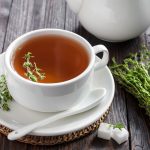
  • Preparation: Make an infusion by adding 1 tablespoon (about 1.5 grams) of dried peppermint leaves to 150 ml (approx. 2/3 cup) of boiling water. Cover and steep for 10-15 minutes.
  • Dosage: Drink one cup between meals, up to three times daily.
  • Maximum Daily Dose: Do not exceed 6 grams of dried peppermint leaf per day.
  • Treatment Duration: Suitable for short-term use over 1-2 weeks. For chronic issues like IBS, enteric-coated peppermint oil capsules are often recommended under medical supervision.

Specific Biological Limitation

While peppermint relaxes the intestinal muscles, it also relaxes the lower esophageal sphincter (LES), the valve between the esophagus and stomach. For this reason, it can worsen symptoms of acid reflux or gastroesophageal reflux disease (GERD).

Contraindications and Precautions

  • GERD and Hiatal Hernia: Strictly avoid if you have acid reflux, as it can increase heartburn.
  • Gallbladder Issues: Consult a doctor before use if you have gallstones or other gallbladder disorders.
  • Infants and Young Children: Avoid giving peppermint tea or oil to infants and young children, as menthol can cause breathing difficulties in rare cases.
  • Drug Interactions: Peppermint may interact with medications metabolized by the CYP3A4 enzyme system, such as cyclosporine. Always consult a pharmacist or doctor.

7 - Anise

A Safe and Effective Carminative Tea Blend

Combining several carminative herbs can create a synergistic effect. This blend uses herbs with similar, complementary actions to soothe the digestive system effectively.

Ingredient Parts Purpose
Fennel Seed (Foeniculum vulgare) 2 parts Antispasmodic, reduces gas
Anise Seed (Pimpinella anisum) 2 parts Carminative, similar to fennel
Peppermint Leaf (Mentha x piperita) 1 part Soothes muscle spasms
Lemon Balm (Melissa officinalis) 1 part Calms the nervous system and gut

Instructions:

  1. Mix the dried herbs together and store them in an airtight container.
  2. To prepare the tea, use 1-2 teaspoons of the blend per 250 ml (1 cup) of boiling water.
  3. Cover and steep for 10 minutes.
  4. Strain and drink warm, preferably after meals. Consume 1-2 cups per day.

Therapeutic Alternatives

If the herbs above are not suitable or effective for you, other evidence-based options are available.

  • Ginger (Zingiber officinale): Unlike carminatives that simply relax muscles, ginger acts as a prokinetic. It helps stimulate stomach emptying, which can be beneficial if bloating is caused by slow digestion. A 2020 review in the journal Nutrients confirmed its efficacy in accelerating gastric emptying.
  • Chamomile (Matricaria recutita): Known for its anti-inflammatory and mild antispasmodic properties, chamomile is particularly helpful for bloating linked to stress and anxiety. It helps calm both the nervous system and the digestive tract.
  • Pharmacological Option: Over-the-counter products containing simethicone work by breaking down large gas bubbles into smaller ones, making them easier to pass. This is a non-herbal but effective option for immediate relief.

Note: Each alternative has its own set of contraindications and should be researched before use.

Recent Medical Research (2020-2026)

Modern research continues to validate the traditional use of these herbs for digestive complaints.

  • A 2020 meta-analysis on peppermint oil for Irritable Bowel Syndrome concluded that it is a safe and effective short-term treatment for abdominal pain and global IBS symptoms.
  • Research published in the Journal of Ethnopharmacology in 2022 explored the mechanisms of fennel, confirming its antispasmodic activity and highlighting its potential as a functional food for digestive health.

Current Limitations: While traditional use is extensive, high-quality, large-scale clinical trials on herbal infusions (teas) are less common than studies on concentrated extracts or essential oils. Therefore, the precise effective dose for teas can vary based on plant quality and preparation method.

Specialist’s Summary

Carminative herbs like Fennel and Peppermint are useful for managing occasional, mild bloating and gas in healthy adults, with noticeable effects often appearing within an hour of consumption. However, they are contraindicated in specific situations, such as GERD (for Peppermint) and hormone-sensitive conditions (for Fennel). Always be mindful of potential drug interactions and consult a healthcare provider for persistent symptoms. Validated alternatives with different mechanisms include prokinetics like Ginger or anti-inflammatories like Chamomile.

Frequently Asked Questions

How long does it take for herbal teas for bloating to work?
For acute bloating, you may feel relief within 30-60 minutes of drinking a carminative tea. For more chronic issues, consistent use over several days may be needed to notice a significant improvement.

Can I drink these digestive teas every day?
It is not recommended to drink these teas daily on an indefinite basis without medical guidance. The best practice is to use them for short periods (e.g., up to 2 weeks) to manage symptoms, followed by a break. Chronic bloating requires a medical diagnosis to address the root cause.

What is the difference between a carminative and a prokinetic herb?
A carminative (like Fennel or Peppermint) primarily works by relaxing intestinal muscles to help release trapped gas. In contrast, a prokinetic (like Ginger) works by stimulating digestive motility and speeding up the emptying of the stomach, addressing bloating caused by slow digestion.

Sources and References

⚠️ Important Medical Information

This article is for educational and informational purposes only and is not intended as medical advice, diagnosis, or treatment. The information provided about Herbal Remedies for Bloating is based on traditional use, preliminary research, and available scientific evidence, which may be limited.

Before using any herbal remedy:

  • Consult a qualified healthcare provider, especially if you are pregnant, breastfeeding, taking medications, or have existing health conditions.
  • Do not use as a substitute for prescribed medications or professional medical treatment.
  • Individual results may vary – what works for one person may not work for another.
  • Monitor for adverse reactions and discontinue use if negative symptoms occur.

Regulatory status: These herbs are considered dietary supplements/traditional remedies and have not been evaluated by the FDA for treating, curing, or preventing any disease.

Last updated: 2024-05-21


You may also like

Leave a Comment