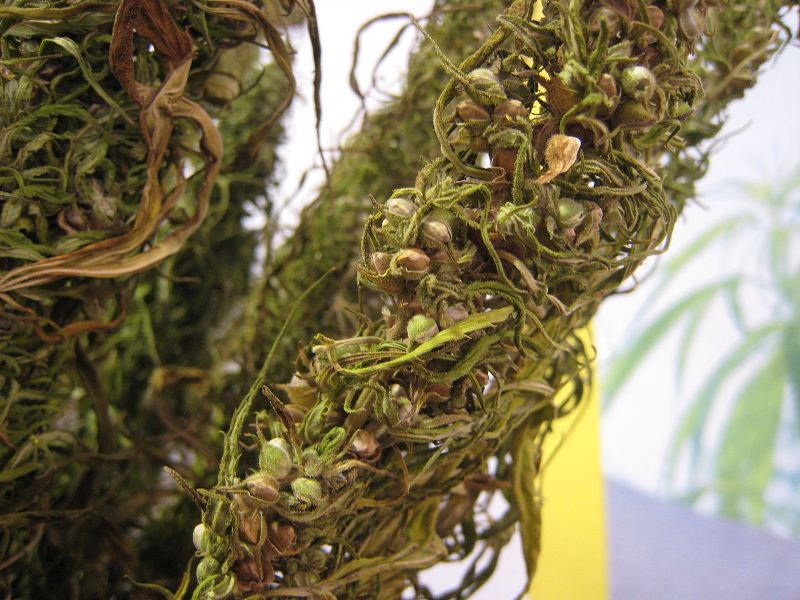
Often overlooked due to their small size, seeds are nutritional powerhouses. Among them, hemp seeds (from the Cannabis sativa L. plant) stand out as a particularly nutrient-dense food. It is crucial to understand that hemp seeds contain only trace amounts of tetrahydrocannabinol (THC), the psychoactive compound found in marijuana, and therefore do not produce any intoxicating effects.
Historically used as a food and fiber source for millennia, modern nutritional science is now validating their traditional value. Indeed, hemp seeds offer a remarkable profile of healthy fats, complete protein, and essential minerals that may play a role in supporting brain function and the body’s ability to manage stress. This article explores the evidence-based nutritional benefits of hemp seeds, focusing on their potential impact on cognitive health and emotional well-being.

The Nutritional Profile of Hemp Seeds: A Foundation for Brain Health
The potential benefits of hemp seeds for the nervous system are rooted in their rich composition of key macro- and micronutrients. Furthermore, the specific balance of these components makes them particularly noteworthy.
Optimal Ratio of Healthy Fats (Omega-3 & Omega-6)
The human brain is nearly 60% fat, making dietary fats essential for its structure and function. Hemp seeds are an excellent source of polyunsaturated fatty acids, including a beneficial ratio of omega-6 (linoleic acid) to omega-3 (alpha-linolenic acid), typically around 3:1. According to research published in the journal Nutrients, this ratio is considered optimal for human health and helps support anti-inflammatory pathways. Moreover, these fats are vital components of neuronal cell membranes, influencing neurotransmitter signaling and protecting against oxidative stress.
Complete Plant-Based Protein
Hemp seeds are one of the few plant sources that provide all nine essential amino acids, making them a complete protein. These amino acids are the building blocks for neurotransmitters like serotonin and dopamine, which are fundamental for mood regulation, focus, and calmness. Consequently, an inadequate supply of essential amino acids can disrupt neurotransmitter production, potentially leading to increased stress hormone levels and mood imbalances.
Key Minerals for Neurological Function
- Magnesium: This mineral is critical for nerve function and has a calming effect on the nervous system. It helps regulate neurotransmitters and can modulate the body’s stress-response system. A typical 30-gram (3 tablespoon) serving of hemp seeds can provide nearly 50% of the recommended daily intake of magnesium.
- Zinc: As an essential trace mineral, zinc plays a role in synaptic function and helps protect the brain from free radical damage. Research indicates that zinc is vital for modulating the body’s response to stress.
- Iron: Iron is essential for producing hemoglobin, which transports oxygen to the brain. Insufficient oxygenation can lead to fatigue, cognitive fog, and an increased physiological stress response. Hemp seeds offer a valuable plant-based source of iron.
Vitamins for Cognitive Support
Additionally, hemp seeds contain a spectrum of B vitamins, including B1 (thiamine), B2 (riboflavin), and B6 (pyridoxine). These vitamins are cofactors in energy metabolism within brain cells and are involved in the synthesis of neurotransmitters. Vitamin E, a potent antioxidant also present in hemp seeds, helps protect brain cells from the oxidative damage implicated in age-related cognitive decline.
Administration Protocol and Safety Limits
As hemp seeds are a food, the administration guidelines focus on dietary integration rather than a strict therapeutic protocol. However, moderation and awareness are still important.
Recommended Daily Intake
- Standard Serving Size: A typical daily serving for a healthy adult is 2-3 tablespoons (20-30 grams) of shelled hemp seeds (hemp hearts).
- Maximum Dose: While there is no established toxic dose, consuming excessive amounts (e.g., more than 50-60 grams daily) may lead to digestive discomfort due to the high fiber and fat content.
- Method of Consumption: Hemp seeds can be eaten raw, sprinkled on salads, yogurt, or oatmeal, blended into smoothies, or used in baking. They have a mild, nutty flavor.
Treatment Duration and Breaks
Hemp seeds can be consumed daily as a regular part of a balanced diet without the need for mandatory breaks, unlike potent medicinal herbs. Consistency is key to obtaining their nutritional benefits.
Specific Biological Limitation
The primary limitation of hemp seeds relates to their high fiber and fat content. For individuals with sensitive digestive systems, such as those with Irritable Bowel Syndrome (IBS) or Crohn’s disease, introducing a large quantity of hemp seeds suddenly can cause bloating, gas, or diarrhea. Therefore, it is advisable for these individuals to start with a small amount (e.g., one teaspoon) and gradually increase the intake as tolerated.
Additionally, hemp seeds contain phytic acid, an antinutrient that can slightly reduce the absorption of minerals like iron and zinc. However, the levels are generally not high enough to be a concern in a balanced diet, and this effect is common to most seeds, nuts, and grains.
Contraindications and Precautions
While generally very safe for most people, certain precautions should be considered.
- Medication Interactions: Due to their omega-3 fatty acid content, hemp seeds may have a mild anticoagulant (blood-thinning) effect. Individuals taking anticoagulant medications like warfarin or antiplatelet drugs should consult their healthcare provider before consuming large quantities of hemp seeds regularly.
- Allergies: Although rare, allergies to hemp seeds can occur. If you experience any signs of an allergic reaction, such as hives, swelling, or difficulty breathing, discontinue use immediately and seek medical attention.
- Vulnerable Populations: Hemp seeds are generally considered safe during pregnancy and breastfeeding and for children as part of a balanced diet. However, it is always best to consult with a pediatrician or healthcare provider before introducing new foods.
Therapeutic Alternatives for Brain Health and Stress
If hemp seeds are not suitable for you, other natural options can provide similar or complementary benefits for cognitive function and stress management.
| Alternative | Primary Benefit | Mechanism of Action |
|---|---|---|
| Walnuts | Cognitive Support | Rich in ALA omega-3 fatty acids and polyphenols, which have been shown to reduce oxidative stress and inflammation in the brain. |
| Ashwagandha (Withania somnifera) | Stress & Anxiety Reduction | An adaptogenic herb that helps modulate the body’s stress response, primarily by reducing cortisol levels. |
| Pumpkin Seeds | Mood & Sleep Support | An excellent source of magnesium and tryptophan, an amino acid precursor to serotonin and melatonin. |
Note: Each alternative has its own specific usage guidelines and potential contraindications. Always consult a healthcare professional before starting any new supplement.
Recent Medical Research (2020-2026)
Modern research continues to investigate the health properties of hemp seeds and their derivatives. While large-scale human trials on direct outcomes like “stress reduction” are limited, studies on their components are robust.
- A 2020 review in Nutrients highlighted the neuroprotective potential of hemp seeds, attributing it to their rich profile of polyunsaturated fatty acids, antioxidants, and the amino acid arginine.
- Research published in the Journal of Food Science and Technology in 2021 analyzed the protein quality of hemp seed meal, confirming its status as a high-quality, digestible protein source comparable to soy.
Current Limitations: Most current evidence focuses on the nutritional composition of hemp seeds and the known roles of these individual nutrients. More clinical trials are needed to directly link the consumption of whole hemp seeds to specific improvements in cognitive performance or clinical anxiety in humans.
Specialist’s Summary
Hemp seeds are a highly nutritious food that can effectively support brain health and the body’s stress-resilience systems. This benefit comes from their excellent profile of omega fatty acids, complete protein, magnesium, and other vital micronutrients. While generally safe for daily consumption, individuals with digestive sensitivities or those on anticoagulant medication should introduce them cautiously. For targeted therapeutic effects, validated alternatives include walnuts for cognitive support and adaptogenic herbs like Ashwagandha for stress management.
Frequently Asked Questions
1. Will eating hemp seeds make me high or cause me to fail a drug test?
No. Hemp seeds are harvested from varieties of Cannabis sativa that contain less than 0.3% THC. The seeds themselves have only trace amounts, which are not enough to produce any psychoactive effects or result in a positive drug test when consumed in normal dietary amounts.
2. What is the difference between hemp hearts, hemp seeds, and hemp oil?
Whole hemp seeds have a crunchy outer shell. Hemp hearts are the soft inner kernel with the shell removed, making them easier to digest. Hemp seed oil is produced by cold-pressing the seeds and is rich in fatty acids but does not contain the fiber or protein of the whole seed.
3. How should I store hemp seeds?
Due to their high content of delicate polyunsaturated fats, hemp seeds are prone to rancidity. It is best to store them in an airtight container in the refrigerator or freezer to maintain their freshness and nutritional quality.
Sources and References
- Alves, P., et al. (2020). Cannabis Sativa L. Seeds in Food Industry: A New Approach for a New Healthy Food. Nutrients, 12(8), 2379. https://www.mdpi.com/2072-6643/12/8/2379
- Mamone, G., et al. (2021). Characterization of the protein fraction from a hemp (Cannabis sativa L.) seed meal. Journal of Food Science and Technology, 58(11), 4275–4285. https://link.springer.com/article/10.1007/s13197-020-04910-5
- The Nutrition Source, Harvard T.H. Chan School of Public Health. (n.d.). Magnesium. https://www.hsph.harvard.edu/nutritionsource/magnesium/
⚠️ Important Medical Information
This article is for educational and informational purposes only and is not intended as medical advice, diagnosis, or treatment. The information provided about Hemp Seeds is based on traditional use, preliminary research, and available scientific evidence, which may be limited.
Before using Hemp Seeds:
- Consult a qualified healthcare provider, especially if you are pregnant, breastfeeding, taking medications (particularly blood thinners), or have existing health conditions like digestive disorders.
- Do not use as a substitute for prescribed medications or professional medical treatment.
- Individual results may vary – what works for one person may not work for another.
- Monitor for adverse reactions and discontinue use if negative symptoms occur.
Regulatory status: Hemp Seeds are considered a food product and have not been evaluated by the FDA for treating, curing, or preventing any disease.
2 comments
Need some immediately
Where can i buy hemp seeds