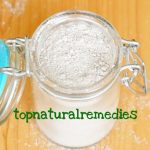
Using Inositol for PCOS: Benefits, Dosage, and Safety Guide

Inositol is a type of sugar alcohol, often referred to as a pseudovitamin, that plays a crucial structural role in cell membranes. While it was once miscategorized as vitamin B8, scientists later discovered the human body can produce its own inositol from glucose, meaning it is not an essential vitamin obtained solely from diet. However, therapeutic doses obtained from food and supplements can offer significant health benefits, particularly for hormonal and metabolic regulation.

Furthermore, inositol acts as a secondary messenger in various cellular signaling pathways, including those for insulin and key neurotransmitters like serotonin and dopamine. This mechanism is central to its potential health applications.

inositol-sources

Evidence-Based Health Benefits of Inositol

Research has focused on several key areas where inositol supplementation may be beneficial. Importantly, the most studied forms are myo-inositol and D-chiro-inositol, often used in a specific physiological ratio (40:1).

1. Management of Polycystic Ovary Syndrome (PCOS)

Perhaps the most well-researched application of inositol is in managing PCOS, a common endocrine disorder in women. Specifically, many women with PCOS exhibit insulin resistance, which disrupts hormonal balance and ovarian function. Inositol helps address this core issue.

  • Improves Insulin Sensitivity: Myo-inositol enhances the body’s response to insulin, which can help lower both insulin and androgen (e.g., testosterone) levels. Consequently, this can reduce symptoms like hirsutism (excess hair growth) and acne.
  • Promotes Ovarian Function: By restoring insulin sensitivity, inositol can help regulate menstrual cycles and promote spontaneous ovulation. A 2022 meta-analysis published in the Journal of Ovarian Research confirmed that inositol supplementation significantly improved metabolic profiles and restored ovulation in women with PCOS.
  • Supports Fertility: For women with PCOS undergoing fertility treatments, studies indicate that inositol may improve oocyte (egg) quality and increase pregnancy rates.

2. Support for Mental Health Conditions

Because inositol influences neurotransmitter systems, it has been studied for its potential role in mental wellness. It is believed to help balance brain chemicals associated with mood and anxiety.

  • Panic Disorder and Anxiety: Some clinical trials suggest that high doses of inositol (up to 18 grams daily) may reduce the frequency and severity of panic attacks and symptoms of anxiety. For instance, research published in the Journal of Clinical Psychopharmacology found it to be effective in reducing panic attack episodes.
  • Obsessive-Compulsive Disorder (OCD): Preliminary evidence indicates that inositol might help reduce the symptoms of OCD, although more robust research is needed to confirm these findings.

Note: While promising, inositol is not a replacement for standard medical treatments for these conditions. Always consult a healthcare provider for diagnosis and management.

3. Metabolic Health and Blood Sugar Control

Inositol’s role in insulin signaling extends to broader metabolic health. Therefore, it may offer benefits for individuals at risk of or managing metabolic syndrome.

  • Gestational Diabetes: According to a systematic review in the Archives of Gynecology and Obstetrics, myo-inositol supplementation during pregnancy may significantly reduce the risk of developing gestational diabetes in at-risk women.
  • Metabolic Syndrome: Research suggests inositol can help improve key markers of metabolic syndrome, including blood pressure, triglyceride levels, and HDL (“good”) cholesterol.

How to Add Inositol to Your Diet

You can increase your inositol intake through both diet and supplementation. For therapeutic effects, supplementation is often necessary to achieve the required dosage.

Dietary Sources of Inositol

Many common foods contain inositol, particularly fresh fruits and whole grains. Here are some of the richest sources:

Food Group Examples
Fruits Cantaloupe, grapefruit, oranges, and other citrus fruits
Legumes Beans (especially navy and lima beans), lentils
Grains Brown rice, whole wheat bread, oats, bran
Nuts & Seeds Almonds, walnuts, Brazil nuts
Organ Meats Beef liver (consume in moderation)

Administration Protocol and Safety Limits

For therapeutic use, always follow evidence-based protocols and consult a healthcare professional.

  • Treatment Duration: For conditions like PCOS, continuous use for at least 3-6 months is often recommended to observe benefits in menstrual regularity. For mental health, trials often last 4-6 weeks.
  • Mandatory Break: Generally, inositol is considered safe for long-term use without a required break, but periodic evaluation with your doctor is advised.
  • Maximum Daily Dose: Doses vary by condition. For PCOS, 2-4 grams per day is typical. For mental health conditions like panic disorder, doses up to 18 grams per day have been used in clinical studies under medical supervision.
  • Overdose Risk: Inositol has a high safety profile. However, exceeding 12 grams per day may cause mild gastrointestinal side effects such as gas, nausea, and diarrhea.
  • Administration Method: Inositol powder is the most practical option for higher doses. It has a mildly sweet taste and dissolves easily in water or other beverages. It can be taken with or without food, often split into two daily doses to improve tolerance.

Specific Biological Limitation

Inositol’s primary mechanism involves modulating insulin and neurotransmitter signaling pathways. While beneficial for conditions like insulin resistance, this can pose a risk for certain individuals. For example, in people with bipolar disorder, high-dose inositol has been anecdotally linked to potentially triggering manic episodes, although research is conflicting. Its effect on blood sugar means individuals on diabetes medication should monitor their glucose levels closely to avoid hypoglycemia.

Contraindications and Precautions

Absolute Contraindications

  • Bipolar Disorder: Use with extreme caution and only under the strict supervision of a psychiatrist, due to the potential risk of inducing mania.
  • Known Hypersensitivity: Do not use if you have a known allergy to inositol.

Vulnerable Populations

  • Pregnancy and Breastfeeding: While used to prevent gestational diabetes, it should only be taken during pregnancy under medical guidance. Safety during breastfeeding has not been well-established.
  • Children: There is insufficient safety data to recommend therapeutic doses for children.

Major Drug Interactions

Inositol has few known severe drug interactions. However, caution is advised when combining it with:

  • Antidiabetic Drugs (e.g., Metformin, Insulin): Inositol can lower blood sugar, potentially increasing the risk of hypoglycemia. Close monitoring of blood glucose is essential.

Documented Adverse Effects

  • Common (usually at doses >12g/day): Nausea, gas, diarrhea, stomach upset, headache, and dizziness.
  • Severe (rare): No severe adverse effects have been consistently reported in clinical trials at recommended doses.

Therapeutic Alternatives

If inositol is not suitable or effective for you, other options exist depending on the condition.

Botanical and Nutritional Alternatives

  1. Berberine: For PCOS and metabolic health, berberine is a plant alkaloid shown to improve insulin sensitivity and lower blood sugar, with effects comparable to metformin in some studies.
  2. Vitex agnus-castus (Chasteberry): For hormonal imbalances and irregular cycles not primarily driven by insulin resistance, Vitex may help regulate pituitary hormones that control the menstrual cycle.
  3. L-Theanine: For anxiety, this amino acid found in green tea promotes relaxation without sedation by increasing alpha brain waves and influencing GABA levels.

Pharmacological Option

  • Metformin: A first-line prescription medication for insulin resistance in PCOS and type 2 diabetes. It works by reducing glucose production in the liver and improving insulin sensitivity.

Note: Always consult a healthcare provider before starting any new supplement or medication, as each has its own contraindications.

Recent Medical Research (2020-2026)

Recent studies continue to reinforce inositol’s role in women’s health and metabolic disorders.

  • A 2023 meta-analysis in Nutrients concluded that myo-inositol supplementation is an effective and safe strategy for improving metabolic and hormonal parameters in women with PCOS, highlighting its benefits for both normal-weight and overweight individuals.
  • Research published in the Frontiers in Endocrinology (2022) explored the synergistic effects of combining myo-inositol and D-chiro-inositol, confirming that the 40:1 ratio is most effective for restoring ovulation and improving metabolic outcomes in PCOS.

Current Limitations: While evidence for PCOS is strong, more large-scale, long-term trials are needed to establish its efficacy for mental health conditions like OCD and depression definitively.

Specialist’s Summary

Inositol, particularly myo-inositol, is a well-researched and safe supplement for managing the metabolic and hormonal aspects of PCOS, with moderate to strong effects appearing after 3-6 months of consistent use. It is generally well-tolerated but should be used with caution in individuals with bipolar disorder or those taking antidiabetic medications. Validated alternatives include berberine for metabolic support and Vitex for hormonal regulation.

Frequently Asked Questions

1. What is the best form of inositol for PCOS?
Research strongly supports a combination of myo-inositol and D-chiro-inositol in a 40:1 ratio. This combination mimics the body’s natural plasma ratio and has been shown to be more effective for restoring ovulation and improving insulin sensitivity than either form alone.

2. How long does it take for inositol to work?
Effects vary by individual and condition. For PCOS, improvements in metabolic markers may be seen within a few weeks, but it typically takes at least 3 months to see significant changes in menstrual cycle regularity and up to 6 months for effects on skin and hair.

3. Can I take inositol with metformin?
Yes, some studies suggest that combining inositol with metformin may have synergistic benefits for women with PCOS. However, this combination increases the risk of hypoglycemia (low blood sugar). Therefore, it must be done under the supervision of a healthcare provider who can monitor your blood glucose levels.

4. Is inositol safe during pregnancy?
Inositol is often prescribed by doctors to pregnant women at risk of gestational diabetes, and studies show it is generally safe and effective for this purpose. However, you should never self-prescribe any supplement during pregnancy. Always consult your obstetrician before use.

Sources and References

  1. Greff, D., et al. (2023). Inositol is an effective and safe treatment in polycystic ovary syndrome: a systematic review and meta-analysis of randomized controlled trials. Reproductive Biology and Endocrinology.
  2. Le Donne, M., et al. (2022). Myo-Inositol and D-Chiro-Inositol in the Management of PCOS: A Review of the Literature. Frontiers in Endocrinology.
  3. Pundir, J., et al. (2018). Inositol treatment of anovulation in women with polycystic ovary syndrome: a meta-analysis of randomised trials. BJOG: An International Journal of Obstetrics & Gynaecology.
  4. Benjamin, J., et al. (1995). Double-blind, placebo-controlled, crossover trial of inositol treatment for panic disorder. American Journal of Psychiatry.

⚠️ Important Medical Information

This article is for educational and informational purposes only and is not intended as medical advice, diagnosis, or treatment. The information provided about Inositol is based on traditional use, preliminary research, and available scientific evidence, which may be limited.

Before using Inositol:

  • Consult a qualified healthcare provider, especially if you are pregnant, breastfeeding, taking medications, or have existing health conditions like bipolar disorder or diabetes.
  • Do not use as a substitute for prescribed medications or professional medical treatment.
  • Individual results may vary – what works for one person may not work for another.
  • Monitor for adverse reactions and discontinue use if negative symptoms occur.


If you like it, share it

[mashshare]

Post comment

Your email address will not be published. Required fields are marked *.