Black radish (*Raphanus sativus L. var. niger*) is a root vegetable with a long history in traditional European medicine, particularly valued for its role in supporting respiratory and digestive health. Unlike its milder relatives, the black radish has a pungent, sharp flavour, which indicates a high concentration of active sulfur-containing compounds. These compounds, primarily glucosinolates, are believed to be responsible for its therapeutic effects.
While traditionally used for a wide range of ailments, modern phytotherapy focuses on its evidence-supported benefits for the respiratory system and liver function. This article provides an evidence-based guide to preparing and using black radish syrup, emphasizing safety protocols and clear contraindications.

How Black Radish May Support Respiratory Health
In traditional herbalism, black radish syrup is a staple for seasonal coughs and colds. Its potential benefits are linked to its unique chemical composition.
- Expectorant Properties: Black radish is rich in sulfurous compounds called glucosinolates. When the radish is crushed or cut, these compounds are converted into isothiocyanates. For instance, these substances may help to thin mucus in the airways, making it easier to expel. This action can provide relief from the chest congestion associated with bronchitis and productive coughs.
- Antimicrobial Activity: Furthermore, laboratory (in vitro) studies have investigated the antimicrobial potential of isothiocyanates against various bacteria and fungi. While this does not translate directly to curing infections in humans, it provides a scientific basis for its traditional use in helping the body manage minor respiratory infections. It is important to note that this remedy is not a substitute for antibiotics or medical treatment for serious infections.
Benefits for Liver and Bile Function
Beyond respiratory relief, black radish is recognized for its effects on the digestive system, specifically liver and gallbladder health.
- Choleretic and Cholagogue Effects: The German Commission E monograph, an authoritative source on herbal medicine, acknowledges the use of fresh black radish juice to support bile flow in cases of dyspepsia (indigestion). It acts as a choleretic, stimulating the liver to produce more bile, and a cholagogue, promoting the gallbladder’s release of bile into the intestine. Consequently, this improved bile flow aids in the digestion of fats and can help alleviate symptoms like bloating and indigestion.
Traditional Black Radish Syrup Recipe
This simple, time-honoured recipe combines the properties of black radish with the soothing effects of honey. For best results, use raw, unpasteurized honey, which retains its own natural enzymatic and antimicrobial properties.
Method 1: The Grated Radish Jar
This method yields a larger quantity of syrup.
Ingredients:
- 1 large or 2-3 medium-sized black radishes
- Approximately 1 cup (300-400g) of raw honey
Instructions:
- First, wash the radishes thoroughly, but do not peel them. The skin contains valuable compounds.
- Next, grate the radishes finely and place them in a clean glass jar.
- Pour the honey over the grated radish, ensuring it is fully covered. Stir well to combine.
- Cover the jar and let the mixture macerate at room temperature for 12 to 24 hours. During this time, the honey will draw the juice and active compounds out of the radish.
- Finally, strain the mixture through a cheesecloth or fine-mesh sieve, pressing down on the radish pulp to extract all the liquid. Pour the resulting syrup into a dark glass bottle for storage.
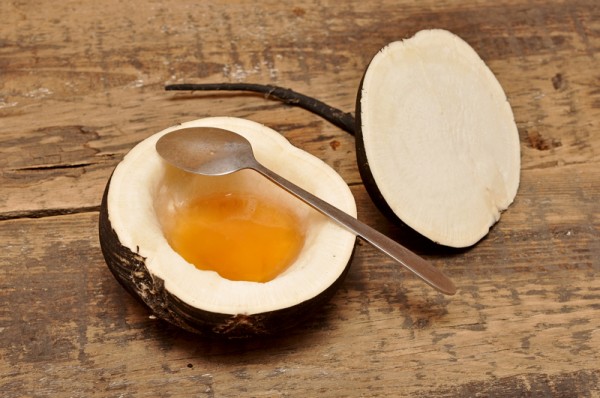
Method 2: The Hollowed-Out Radish
This is a simple method for a single-day dose.
- Wash a black radish well. Cut off the top third to create a lid.
- Using a spoon, carefully hollow out the centre of the radish, creating a small bowl.
- Fill the cavity with honey and replace the radish “lid”.
- Let it sit for several hours or overnight. The honey will draw out the juice, creating a syrup inside the radish. The syrup can then be consumed directly from the radish.
Administration Protocol and Safety Limits
To ensure safe and effective use, it is crucial to follow a clear administration protocol.
- Dosage for Adults: The typical dose is 1 tablespoon (15 ml) of the syrup, taken 3 to 4 times per day, preferably between meals.
- Treatment Duration: Use for respiratory symptoms should be short-term. A typical course is 5 to 10 days. If symptoms persist or worsen, consult a healthcare provider.
- Mandatory Break: Do not consume black radish preparations continuously. After a 10-day course, a break of at least 2 weeks is recommended before considering another course.
- Maximum Daily Dose: Do not exceed 4-5 tablespoons (60-75 ml) of syrup per day for a healthy adult. Overconsumption can lead to significant gastric irritation.
Specific Biological Limitation
The primary mechanism of black radish involves stimulating bile production and flow. While this is beneficial for indigestion, it poses a significant risk for individuals with certain pre-existing conditions. Specifically, if the bile ducts are already blocked by gallstones, the increased pressure from stimulated bile flow can cause severe pain (biliary colic) and lead to serious complications. Therefore, self-treatment without a proper diagnosis is strongly discouraged.
Contraindications and Precautions
Despite its natural origins, black radish is not suitable for everyone. Adhering to these contraindications is essential for safety.
| Condition | Reason for Contraindication |
| Bile Duct Obstruction / Gallstones | ABSOLUTE CONTRAINDICATION. Its cholagogue effect can force a stone into the bile duct, causing a painful and dangerous blockage. |
| Gastritis & Peptic Ulcers | The pungent compounds can severely irritate the stomach lining, worsening pain and inflammation. |
| Pregnancy & Breastfeeding | There is insufficient safety data. Therefore, its use is not recommended. |
| Children Under 6 Years | Due to its potent effects and potential for gastric irritation, it is not recommended for young children. Honey should not be given to infants under 1 year of age due to the risk of botulism. |
| Thyroid Conditions | Like other brassica vegetables, large quantities of raw black radish may have goitrogenic effects (interfering with iodine uptake). Individuals with hypothyroidism should consult their doctor. |
Documented Adverse Effects: The most common side effect is gastrointestinal discomfort, including stomach pain, heartburn, and flatulence. If these occur, discontinue use immediately.
Therapeutic Alternatives
If black radish is not suitable for you, several other well-researched botanicals can provide respiratory support.
- Thyme (*Thymus vulgaris*): An excellent expectorant and antispasmodic, officially recognized by the European Medicines Agency (EMA) for productive coughs associated with colds. Thyme helps loosen phlegm and calm coughing fits.
- Marshmallow Root (*Althaea officinalis*): Ideal for dry, irritating coughs. Its high mucilage content creates a soothing film over the mucous membranes of the throat, providing immediate relief from irritation.
- Ivy Leaf (*Hedera helix*): A well-studied expectorant that also has bronchodilatory effects, helping to relax the airways. It is a common ingredient in commercial cough syrups for both children and adults.
Note: Always consult a healthcare professional to choose the most appropriate alternative for your specific symptoms and health condition.
Recent Medical Research (2020-2026)
Modern research continues to explore the mechanisms behind black radish’s traditional uses. While large-scale human trials on the syrup are lacking, studies on its extracts and compounds provide valuable insights.
- A 2022 study published in the journal Antioxidants investigated the antioxidant and anti-inflammatory properties of black radish peel extracts, confirming their ability to neutralize free radicals and reduce inflammatory markers in laboratory models.
- Research in the Journal of Functional Foods has highlighted the role of glucosinolates from cruciferous vegetables in supporting the body’s natural detoxification pathways in the liver.
Current Limitations: The primary limitation is the lack of robust clinical trials in humans to confirm the efficacy and establish standardized dosing for black radish syrup specifically for coughs. Current recommendations are based on traditional use and pharmacological plausibility.
Specialist’s Summary
Black radish syrup is a valuable traditional remedy for managing productive coughs and supporting bile flow, with effects primarily driven by its sulfur compounds. Its use should be short-term (5-10 days) and is strictly contraindicated in individuals with gallstones, gastritis, or peptic ulcers. For those who cannot use it, validated alternatives like Thyme for productive coughs or Marshmallow Root for dry coughs offer excellent, well-researched options.
Frequently Asked Questions
1. How quickly does black radish syrup work for a cough?
Relief from symptoms like chest congestion may be noticed within 2-3 days of consistent use. However, if your cough does not improve or is accompanied by fever or difficulty breathing, you must see a doctor.
2. Can I use black radish for liver detoxification?
Black radish supports liver function by promoting bile flow, which is a key part of the body’s natural detoxification process. It does not “detox” the liver on its own but aids its normal functions. This should only be done under the guidance of a healthcare professional and is contraindicated for those with liver disease or bile duct obstruction.
3. Is it safe to eat black radish raw?
Yes, it is safe for most people to eat black radish raw in salads or as a side dish. However, consuming it in large quantities can cause gastric distress. The contraindications mentioned above (gastritis, ulcers, gallstones) also apply to eating the raw vegetable.
4. Is black radish syrup safe for children?
Due to its potency and potential to irritate the digestive system, black radish syrup is generally not recommended for children under the age of 6. For older children, the dose should be significantly reduced (e.g., 1 teaspoon) and used only after consulting a paediatrician or qualified herbalist.
Sources and References
This article relies on information from authoritative monographs and recent scientific studies.
- Blumenthal, M. (Ed.). (1998). The Complete German Commission E Monographs: Therapeutic Guide to Herbal Medicines. American Botanical Council.
- European Medicines Agency (EMA). Community herbal monograph on Thymus vulgaris L. and Thymus zygis L., herba.
- Manivannan, A., et al. (2022). “Antioxidant and Anti-Inflammatory Activities of Black Radish (Raphanus sativus L. var. niger) Peel Extracts.” Antioxidants.
⚠️ Important Medical Information
This article is for educational and informational purposes only and is not intended as medical advice, diagnosis, or treatment. The information provided about Black Radish is based on traditional use, preliminary research, and available scientific evidence, which may be limited.
Before using Black Radish:
- Consult a qualified healthcare provider, especially if you are pregnant, breastfeeding, taking medications, or have existing health conditions like gallstones or gastritis.
- Do not use as a substitute for prescribed medications or professional medical treatment.
- Individual results may vary – what works for one person may not work for another.
- Monitor for adverse reactions and discontinue use if negative symptoms occur.