3 Foods for Heavy Metal Detox: Benefits and Safe Use

Cilantro, garlic, and chlorella support natural detoxification by binding to heavy metals in the digestive tract and providing antioxidant protection with consistent daily use.

by Elena Martin
0 comments
A+A-
Reset

Environmental exposure to heavy metals like lead, mercury, and arsenic remains a valid health concern in our modern world. Over time, these elements accumulate in the body and interfere with normal physiological functions. Therefore, while acute heavy metal toxicity requires immediate emergency medical care, you can incorporate specific foods into a balanced diet to support your body’s natural detoxification processes.

However, you must understand that dietary strategies never substitute for professional medical diagnosis or treatment. Consequently, this article explores the scientific evidence behind specific foods traditionally used to support detoxification. Furthermore, we will emphasize safety protocols, proper administration, and biological limitations from a clinical phytotherapy perspective.

> ⚠️ **WARNING – Acute Heavy Metal Poisoning and Contamination Risks!**
> *Food-based detoxification cannot treat acute or severe heavy metal poisoning. If you suspect acute exposure to lead, mercury, or arsenic, you must seek immediate emergency medical care for clinical chelation therapy. Furthermore, always source microalgae like chlorella from certified pure sources, as contaminated products will actually introduce dangerous heavy metals directly into your system.*

Key Foods Studied for Heavy Metal Binding Properties

Indeed, several foods contain compounds that researchers have investigated for their potential to bind to heavy metals, a process known as chelation. Additionally, many of these foods provide rich antioxidants that help mitigate cellular damage caused by metal-induced oxidative stress. Let us examine the evidence and safety protocols for three commonly cited examples.

1. Cilantro (Coriandrum sativum)

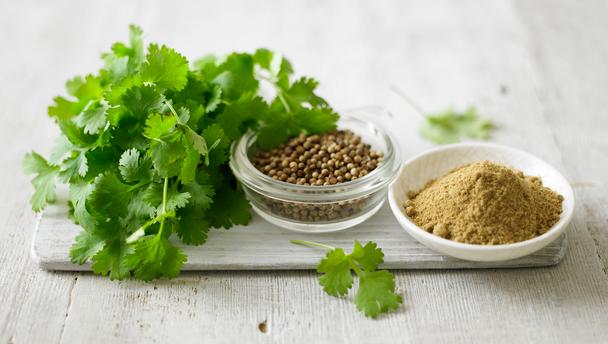
Traditional medicine practitioners frequently use cilantro, also known as coriander leaf or Chinese parsley, as a “cleansing” herb. Subsequently, modern research has explored its potential chelating properties, although much of the current evidence remains preliminary and stems primarily from animal or in-vitro studies.

coriander_16x9

Proposed Mechanism: Research suggests that specific compounds within cilantro may bind to heavy metals, thereby facilitating their removal from the body. For instance, a study in the Journal of Ethnopharmacology indicated that Coriandrum sativum could reduce lead deposition in the bones of mice. However, scientists still need comprehensive human clinical trials to confirm these exact effects in human populations.

Administration Protocol and Safety Limits

  • Treatment duration: 21 days of continuous daily use.
  • Mandatory break: 7 days between treatment cycles.
  • Maximum daily dose for healthy adult: 1 full cup of fresh leaves.
  • Dose per administration: 1/4 to 1/2 cup of fresh leaves.
  • Frequency: 1-2 times per day.
  • Timing and Method: Consume fresh with meals. Do not heat extensively, as cooking destroys the volatile compounds responsible for its therapeutic effects. Blend into smoothies or add to salads.
  • Overdose risk: Exceeding culinary amounts through highly concentrated extracts may cause gastrointestinal distress and rapid mobilization of metals without proper elimination.

Specific Biological Limitation

Genetic Olfactory Variation: Cilantro contains specific aldehyde compounds which trigger a strong aversion in certain populations. Specifically, individuals possessing a variation in the OR6A2 olfactory receptor gene perceive the taste of cilantro as dish soap or crushed bugs. This genetic limitation makes dietary compliance impossible for these individuals, necessitating alternative detoxification supports.

Contraindications and Precautions

Absolute contraindications (FORBIDDEN):

  • Apiaceae Allergy: Individuals with known allergies to fennel, dill, celery, or carrots must avoid cilantro due to cross-reactivity risks.

Major drug interactions:

  • Hypoglycemic medications: Cilantro exhibits mild blood-sugar-lowering effects. Therefore, combining it with diabetes medication may cause hypoglycemia.

2. Chlorella (Chlorella vulgaris)

Chlorella is a single-celled green freshwater alga that provides abundant proteins, vitamins, and chlorophyll. Researchers believe its unique cell wall structure holds the key to its detoxification potential.

Proposed Mechanism: The fibrous outer cell wall of chlorella appears to bind with heavy metals and other toxins in the digestive tract, thereby preventing their reabsorption into the bloodstream. Furthermore, a 2023 review published in Nutrients highlighted how microalgae mitigate heavy metal toxicity primarily through this gut biosorption mechanism.

Administration Protocol and Safety Limits

  • Treatment duration: 30 days.
  • Mandatory break: 14 days between treatment cycles.
  • Maximum daily dose for healthy adult: 10 grams.
  • Dose per administration: 3 to 5 grams (maintenance dose).
  • Frequency: 1-2 times per day.
  • Timing and Method: Take 30 minutes before meals with at least 8 ounces of water. You must purchase “cracked cell wall” chlorella, as the human body cannot digest the intact cell wall.
  • Overdose risk: Exceeding 10 grams daily may cause severe cramping, diarrhea, and nausea.

Specific Biological Limitation

Digestive Inaccessibility: Chlorella possesses an exceptionally tough outer cell wall made of complex cellulose. Because humans lack the specific enzymes required to break down this cellulose, consuming raw, unprocessed chlorella yields zero detoxification benefits. The body simply excretes it intact. Therefore, you must exclusively use mechanically processed “cracked cell wall” supplements to access the binding agents.

Contraindications and Precautions

Absolute contraindications (FORBIDDEN):

  • Iodine Sensitivity: Individuals with iodine allergies or specific hyperthyroid conditions must avoid marine and freshwater algae.

Major drug interactions:

  • Immunosuppressants: Chlorella strongly stimulates the immune system, consequently reducing the efficacy of medications used for organ transplants or autoimmune diseases.
  • Anticoagulants (Warfarin): Chlorella contains high amounts of Vitamin K, which directly antagonizes blood-thinning medications.

3. Garlic (Allium sativum)

Herbalists have used garlic for centuries to treat various ailments. Specifically, its benefits regarding heavy metal detoxification stem from its rich concentration of active sulfur compounds.

Proposed Mechanism: The sulfur compounds in garlic, particularly allicin, actively chelate heavy metals like lead and mercury. Moreover, garlic stimulates the liver to produce glutathione, the body’s master antioxidant, which drives Phase II detoxification pathways. Indeed, a clinical trial involving workers exposed to lead demonstrated that garlic effectively reduced blood lead concentrations and associated clinical signs of toxicity.

Administration Protocol and Safety Limits

  • Treatment duration: 30 days.
  • Mandatory break: 7-14 days between treatment cycles.
  • Maximum daily dose for healthy adult: 4 fresh cloves.
  • Dose per administration: 1-2 fresh cloves.
  • Frequency: 1-2 times per day.
  • Timing and Method: You must crush or chop the raw garlic and let it sit exposed to air for exactly 10-15 minutes before consumption. This waiting period allows the alliinase enzyme to convert alliin into the active compound allicin. Consume with food to prevent gastric irritation.
  • Overdose risk: Exceeding 4 raw cloves daily may cause severe gastrointestinal burning, acid reflux, and potential damage to the stomach lining.

Specific Biological Limitation

FODMAP Intolerance: Garlic contains high levels of fructans, a type of fermentable carbohydrate. While beneficial for healthy gut microbiomes, these fructans rapidly ferment in the intestines of individuals with Irritable Bowel Syndrome (IBS) or Small Intestinal Bacterial Overgrowth (SIBO). Consequently, this fermentation causes severe bloating, pain, and altered bowel habits, making raw garlic an unsuitable detox agent for this population.

Contraindications and Precautions

Absolute contraindications (FORBIDDEN):

  • Active Bleeding Disorders: Garlic possesses strong antiplatelet properties.
  • Pre-surgery: You must stop consuming therapeutic doses of garlic at least two weeks before any scheduled surgery.

Major drug interactions:

  • Anticoagulants: Enhances the effects of aspirin, warfarin, and clopidogrel, significantly increasing bleeding risks.
  • Antihypertensives: May cause blood pressure to drop too low when combined with blood pressure medications.

Therapeutic Alternatives

If cilantro, chlorella, or garlic are not suitable for your specific health profile, consider these validated alternatives:

Alternative Mechanism and Specific Use
Brazil Nuts (Bertholletia excelsa) Exceptionally rich in selenium, a trace mineral that directly antagonizes mercury toxicity. Selenium binds to mercury to form a non-toxic complex that the body can safely excrete. Limit to 2-3 nuts daily to prevent selenium toxicity.
Modified Citrus Pectin (MCP) A specialized carbohydrate derived from citrus peels. Clinical studies show MCP safely binds to lead, arsenic, and cadmium in the bloodstream without depleting essential minerals like calcium or zinc.
Alpha-Lipoic Acid (ALA) A pharmacological antioxidant supplement that crosses the blood-brain barrier. Practitioners frequently use ALA to chelate mercury and support intracellular glutathione production. Requires professional medical supervision.

Recent Medical Research (2020-2026)

Recent scientific inquiry continues to validate and refine our understanding of these natural compounds.

  • A 2023 meta-analysis in Nutrients reviewed the role of microalgae in mitigating heavy metal toxicity. The researchers concluded that chlorella shows significant promise as a natural gut adsorbent, effectively reducing the bioavailability of ingested heavy metals.
  • A 2021 study published in Antioxidants reaffirmed the protective role of sulfur compounds from garlic against lead-induced oxidative stress. Specifically, the study highlighted allicin’s ability to enhance the body’s intrinsic antioxidant defense systems.

Current limitations: Despite promising mechanisms, scientists acknowledge that most compelling evidence still comes from animal models or in-vitro experiments. Therefore, the medical community requires large-scale human clinical trials to establish definitive chelation protocols and long-term safety profiles.

Specialist’s Summary

Cilantro, chlorella, and garlic are useful for supporting natural heavy metal detoxification in healthy individuals, with mild protective effects that appear after several weeks of consistent dietary use. They are contraindicated in people with specific plant allergies, autoimmune conditions, or those taking blood-thinning medications, and they carry moderate interaction risks with immunosuppressants. Validated alternatives include Brazil nuts for targeted selenium support and Modified Citrus Pectin for systemic binding.

Frequently Asked Questions

1. Can you truly detox heavy metals with food alone?
No, food alone cannot treat moderate to severe heavy metal poisoning. Acute toxicity is a serious medical emergency requiring pharmacological chelation therapy under a doctor’s strict supervision. However, a diet rich in these specific foods can support the body’s natural, ongoing detoxification systems and may help reduce the daily absorption of environmental metals from the gut.

2. How long does it take to notice any effects?
Dietary detoxification strategies are slow and supportive. Therefore, you will not experience immediate, noticeable effects. The primary goal involves the long-term reduction of toxic load and the gradual support of liver and kidney function. Consequently, you must consistently incorporate these foods into your diet over several months to achieve cellular benefits.

3. Is it safe to take chlorella every day indefinitely?
No, continuous indefinite use is not recommended. Because chlorella strongly stimulates the immune system and binds to materials in the gut, you should follow a cyclical protocol. Specifically, take it for 30 days followed by a 14-day break to allow your digestive and immune systems to rest.

4. Vulnerable Populations:

Is heavy metal detox safe for children, during pregnancy, or while breastfeeding?

NO. Active heavy metal detoxification protocols are strictly contraindicated during pregnancy and breastfeeding. Mobilizing heavy metals stored in the mother’s tissues can cause these toxins to cross the placenta or enter breast milk, directly exposing the vulnerable fetus or infant to concentrated heavy metals. While normal culinary amounts of garlic and cilantro in food are safe, you must completely avoid high-dose supplements, chlorella, and intentional detox protocols during these periods. Children should only undergo heavy metal treatment under the direct supervision of a pediatric toxicologist.

Sources and References

Recent studies (2020-2026):

  1. Lafuente, A. G. (2023). The Role of Microalgae in the Management of Heavy Metal(loid)s Toxicity. Nutrients.
  2. Zhai, Q., et al. (2021). Dietary strategies for the treatment of cadmium and lead toxicity. Antioxidants.
  3. Kianoush, S., et al. (2012). Comparison of therapeutic effects of garlic and d-penicillamine in patients with chronic occupational lead poisoning. Basic & Clinical Pharmacology & Toxicology.
  4. Sears, M. E. (2013). Chelation: harnessing and enhancing heavy metal detoxification–a review. The Scientific World Journal.

⚠️ Important Medical Information

This article is for educational and informational purposes only and is not intended as medical advice, diagnosis, or treatment. The information provided about Cilantro, Chlorella, and Garlic is based on traditional use, preliminary research, and available scientific evidence, which may be limited.

Before using these detoxifying foods therapeutically:

  • Consult a qualified healthcare provider, especially if you are pregnant, breastfeeding, taking medications, or have existing health conditions
  • Do not use as a substitute for prescribed medications or professional medical treatment
  • Individual results may vary – what works for one person may not work for another
  • Monitor for adverse reactions and discontinue use if negative symptoms occur


You may also like

Leave a Comment