Epsom Salt Baths for Muscle Relief: Benefits and Safe Use
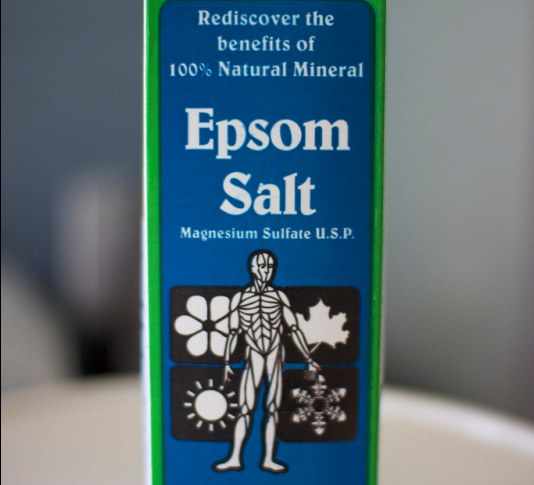
Epsom salt, known chemically as magnesium sulfate, is a mineral compound that has been traditionally used for centuries, named after a saline spring in Epsom, England. While it is widely recognized for its use in soothing baths, it also has specific, medically-approved applications. However, its effectiveness and safety depend entirely on correct usage.
This article provides an evidence-based overview of the uses of Epsom salt, separating scientifically supported benefits from anecdotal claims, and outlines crucial safety protocols for its administration.
Evidence-Based Health Applications
The therapeutic applications of Epsom salt primarily revolve around its two components: magnesium and sulfate. These are most commonly utilized topically in baths or, with extreme caution, orally as a laxative.
Topical Use: Soothing Baths for Muscle Soreness and Stress
The most popular use of Epsom salt is dissolving it in a warm bath to help soothe tired muscles and promote relaxation. The proposed mechanism involves the transdermal (through the skin) absorption of magnesium ions, which play a crucial role in muscle function and nerve signal transmission.
- Muscle Relaxation: Magnesium is essential for muscle relaxation by acting as a natural calcium blocker, helping muscles to release after contraction. A warm bath containing Epsom salt may help alleviate minor aches, stiffness, and soreness associated with physical exertion.
- Stress Reduction: Furthermore, adequate magnesium levels are linked to stress management. Magnesium helps maintain healthy levels of GABA, a neurotransmitter that promotes calmness. While a warm bath itself is relaxing, the addition of Epsom salt is traditionally believed to enhance this effect.
Important Note on Evidence: It is crucial to acknowledge that scientific research on the extent of magnesium absorption through the skin is still limited and debated. A 2017 review published in the journal Nutrients concluded that while transdermal application is popular, more rigorous studies are needed to confirm its efficacy. Therefore, the benefits may be attributed to a combination of the warm water, the placebo effect, and potentially minor mineral absorption.
Oral Use: FDA-Approved Saline Laxative for Constipation
When taken orally, magnesium sulfate is an FDA-approved over-the-counter treatment for occasional constipation. It functions as an osmotic laxative.
Mechanism of Action: Once ingested, it is poorly absorbed by the gut. Consequently, it draws water from the rest of the body into the intestines. This increase in water softens the stool and stimulates bowel movements, typically within 30 minutes to 6 hours.
⚠️ WARNING: Oral use of Epsom salt requires strict adherence to dosage and safety protocols. Misuse can lead to severe dehydration, electrolyte imbalance, and serious health complications. This application should only be for short-term relief and is not a solution for chronic constipation.
Administration Protocol and Safety Limits
Correct administration is critical to avoid adverse effects, especially when consuming Epsom salt orally.
Protocol for Topical Use (Baths)
- Dosage: Add 1 to 2 cups (approximately 250-500 grams) of Epsom salt to a standard-sized bathtub filled with warm water.
- Administration: Stir the water to ensure the salt dissolves completely before entering.
- Treatment Duration: Soak for 15 to 20 minutes. Soaking for longer can lead to skin dryness.
- Frequency: It is generally considered safe to take an Epsom salt bath 2 to 3 times per week.
Protocol for Oral Use (Laxative)
This protocol is for healthy adults only. Do NOT administer to children without consulting a physician.
- Maximum Daily Dose: For adults and children 12 years and older, the typical dose is 2 to 6 level teaspoons (10 to 30 grams) dissolved in a full 8-ounce (240 ml) glass of water. Never exceed two doses per day.
- Treatment Duration: Do not use for more than one week. If symptoms persist, consult a healthcare provider.
- Administration Condition: Drink the entire mixture immediately. It is essential to drink plenty of extra water throughout the day to prevent dehydration.
- Overdose Risk: Exceeding the recommended dose can cause magnesium toxicity (hypermagnesemia), leading to nausea, vomiting, dangerously low blood pressure, flushing, and cardiac arrest.
Specific Biological Limitation
The primary risk of Epsom salt is associated with its oral use and its effect on the kidneys and electrolyte balance. Magnesium is primarily excreted by the kidneys. In individuals with impaired kidney function, the body cannot effectively clear excess magnesium from the blood. This can lead to a toxic buildup known as hypermagnesemia, a potentially life-threatening condition.
Furthermore, its action as an osmotic laxative pulls significant amounts of water into the bowel, which can disrupt the body’s balance of other crucial electrolytes like sodium, potassium, and calcium, posing a risk for individuals with heart conditions or pre-existing electrolyte imbalances.
Contraindications and Precautions
Absolute Contraindications (FORBIDDEN)
- Kidney Disease: Oral use is strictly forbidden due to the risk of magnesium toxicity.
- Bowel Obstruction: Using a laxative can cause perforation of the intestine.
- Severe Abdominal Pain, Nausea, or Vomiting: These can be signs of a serious condition that would be worsened by a laxative.
- Open Wounds or Severe Burns: Do not use in baths, as it can cause irritation and interfere with healing.
Vulnerable Populations
- Pregnancy and Breastfeeding: Consult a healthcare provider before any use. Oral use is generally not recommended.
- Children: Oral use should only be under the direction of a physician. Doses must be significantly reduced. Topical use in baths is generally safe but use a smaller amount (e.g., 1/2 cup).
- Elderly: Increased risk of kidney impairment and dehydration. Oral use should be avoided unless approved by a doctor.
Major Drug Interactions
Epsom salt can interfere with the absorption of certain medications. For instance, it can reduce the effectiveness of tetracycline and quinolone antibiotics. Always consult your pharmacist or doctor about potential interactions with your medications.
Therapeutic Alternatives
If Epsom salt is not suitable for your needs, consider these validated alternatives.
For Muscle Soreness:
- Arnica (Arnica montana): Available as a topical gel or cream, Arnica is traditionally used and supported by some clinical studies for reducing muscle pain, inflammation, and bruising after minor injuries.
- Heat and Cold Therapy: Applying heat can help relax muscles, while cold packs can reduce inflammation and numb acute pain. Alternating between the two is often effective.
For Occasional Constipation:
- Psyllium Husk: A bulk-forming fiber that is a much gentler and safer long-term option for promoting regular bowel movements. It works by absorbing water to form a gel-like mass that softens stool.
- Senna (Senna alexandrina): A stimulant laxative that is effective for short-term relief. It works by irritating the bowel lining to induce contractions. It should not be used for more than one week.
Note: Each alternative has its own set of contraindications and should be used as directed.
Recent Medical Research (2020-2026)
Recent scientific inquiry continues to focus on the mechanisms and efficacy of magnesium supplementation. While oral magnesium is well-studied, the science behind transdermal absorption remains an area of active investigation.
- A 2017 systematic review in Nutrients highlighted the lack of high-quality studies to definitively prove significant magnesium absorption from Epsom salt baths. The authors called for more rigorous, controlled trials to validate popular claims.
- Research on oral magnesium sulfate confirms its efficacy as an osmotic laxative but also consistently warns against its potential for toxicity, especially in at-risk populations. Modern clinical guidelines often favor newer, potentially safer laxative agents for chronic use.
Updated Scientific Verdict: The use of Epsom salt as a soak for muscle soreness remains a plausible but not robustly proven therapy. Its use as an oral laxative is medically established but carries significant risks that demand caution.
Specialist’s Summary
Epsom salt (magnesium sulfate) is a useful compound for two primary purposes: as a soothing agent in baths for minor muscle aches and as a potent, short-term oral laxative for occasional constipation. Its benefits for muscle relief via skin absorption are plausible but lack strong scientific backing. Oral use is effective but is strictly contraindicated in individuals with kidney disease and requires careful hydration and dosage to avoid severe side effects. Safer alternatives like psyllium husk for constipation or topical arnica for muscle pain are often preferable.
Frequently Asked Questions
1. Can Epsom salt baths help you lose weight or detox?
There is no scientific evidence to support the claim that Epsom salt baths cause weight loss or “detoxify” the body. The kidneys and liver are the body’s primary detoxification organs. Any weight loss experienced after a bath is temporary water loss due to sweating.
2. How often is it safe to take an Epsom salt bath?
For most healthy adults, taking an Epsom salt bath 2-3 times per week is considered safe. Overuse can potentially lead to dry skin. If you have any health conditions, consult your doctor first.
3. Is it safe to drink Epsom salt regularly?
No. Drinking Epsom salt is not safe for regular or long-term use. It is a powerful laxative intended only for occasional, short-term relief of constipation and should not be used for more than one week without medical supervision due to risks of dehydration, electrolyte imbalance, and magnesium toxicity.
4. Is Epsom salt safe for children, during pregnancy, or while breastfeeding?
For baths, a small amount (e.g., 1/2 cup in a standard tub) is generally considered safe for children, but it’s best to consult a pediatrician. Pregnant or breastfeeding women should consult their healthcare provider before using it topically or orally. Oral use is strictly forbidden for these groups unless explicitly directed by a doctor due to risks to the mother and baby.
Sources and References
- Gröber, U., Werner, T., Vormann, J., & Kisters, K. (2017). Myth or Reality—Transdermal Magnesium? Nutrients, 9(8), 813. https://doi.org/10.3390/nu9080813
- Food and Drug Administration (FDA). (2023). CFR – Code of Federal Regulations Title 21. Part 334: Laxative Drug Products for Over-the-Counter Human Use.
- National Institutes of Health (NIH). (2022). Magnesium – Fact Sheet for Health Professionals. https://ods.od.nih.gov/factsheets/Magnesium-HealthProfessional/
⚠️ Important Medical Information
This article is for educational and informational purposes only and is not intended as medical advice, diagnosis, or treatment. The information provided about Epsom Salt (Magnesium Sulfate) is based on traditional use, regulatory approvals, and available scientific evidence, which may be limited for certain applications.
Before using Epsom Salt:
- Consult a qualified healthcare provider, especially if you are pregnant, breastfeeding, taking medications, or have existing health conditions like kidney or heart disease.
- Do not use as a substitute for prescribed medications or professional medical treatment for chronic conditions.
- Individual results may vary – what works for one person may not work for another.
- Monitor for adverse reactions, such as severe diarrhea, dizziness, or weakness, and discontinue use if negative symptoms occur.




I buy it by the 25kg sack for my baths