A Phytotherapist’s Guide to Managing Blackheads Naturally

by Andreea Smiterson
0 comments
A+A-
Reset

Blackheads, a common skincare concern, are a form of non-inflammatory acne known as open comedones. Understanding their formation is the first step toward effective management. This article provides an evidence-based approach to managing blackheads using phytotherapeutic remedies, focusing on safety, efficacy, and scientific support.

eliminate blackheads naturally

What Are Blackheads and Why Do They Form?

Contrary to popular belief, the dark color of a blackhead is not trapped dirt. Instead, a blackhead is a hair follicle or pore that has become clogged with a mixture of dead skin cells (keratinocytes) and excess skin oil (sebum). When this mixture is exposed to the air, the sebum oxidizes and turns black or dark brown, creating the characteristic appearance of a blackhead.

Factors contributing to their formation include:

  • Excess sebum production, often influenced by hormonal fluctuations.
  • Irregular shedding of dead skin cells, which can clog pores.
  • Inflammation and bacterial activity within the skin.

Therefore, effective natural strategies should aim to balance oil production, gently exfoliate, and reduce inflammation without disrupting the skin’s protective barrier.

Evidence-Based Herbal Remedies for Blackhead Management

While many DIY remedies exist, some can be harsh and counterproductive. For instance, baking soda is highly alkaline and can damage the skin’s acid mantle, while undiluted lemon juice can cause photosensitivity and severe irritation. The following remedies are supported by traditional use and modern research for their gentle yet effective properties.

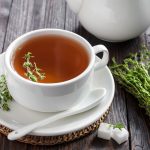
1. Green Tea (Camellia sinensis) Compress

Mechanism of Action: Green tea is rich in polyphenols, particularly epigallocatechin gallate (EGCG). According to research published in the Journal of Investigative Dermatology, EGCG has potent antioxidant and anti-inflammatory properties. Furthermore, studies indicate that topical application of EGCG can significantly reduce sebum production, addressing a primary cause of blackheads.

How to Use:

  1. Brew a strong cup of organic green tea using two tea bags in boiling water.
  2. Allow the tea to cool completely in the refrigerator for at least one hour.
  3. Soak a cotton pad in the cool tea and apply it as a compress to the affected areas.
  4. Leave it on for 10-15 minutes before rinsing with cool water. This can be done daily.

2. Tea Tree (Melaleuca alternifolia) Oil Spot Treatment

Mechanism of Action: Tea Tree oil is one of the most well-researched botanicals for acne management. Its primary active component, terpinen-4-ol, exhibits broad-spectrum antimicrobial and anti-inflammatory activity. A study in the Medical Journal of Australia found a 5% tea tree oil gel to be as effective as a 5% benzoyl peroxide lotion in managing acne, but with fewer side effects.

How to Use (CRITICAL: Must be diluted):

  1. Obtain a high-quality, 100% pure tea tree essential oil.
  2. Create a 5% dilution by mixing 5 drops of tea tree oil with 95 drops (approximately 1 teaspoon or 5 ml) of a non-comedogenic carrier oil like jojoba or grapeseed oil.
  3. Perform a patch test on your inner arm 24 hours before facial application to check for sensitivity.
  4. Using a cotton swab, apply a small amount of the diluted mixture directly onto blackheads once or twice daily.

3. Bentonite or Kaolin Clay Mask

Mechanism of Action: Clay masks work through a physical process called adsorption. Clays have a negative ionic charge that attracts the positively charged impurities, excess sebum, and dead cells within the pores. As the mask dries, it lifts these substances from the skin, leaving pores clearer and appearing smaller.

How to Use:

  1. In a non-metallic bowl, mix one tablespoon of bentonite or kaolin clay with enough purified water or witch hazel to form a smooth paste.
  2. Apply a thin, even layer to clean, dry skin, focusing on the T-zone or areas with blackheads.
  3. Allow the mask to dry for 10-15 minutes, but do not let it crack completely, as this can be overly drying.
  4. Rinse thoroughly with lukewarm water and follow with a non-comedogenic moisturizer. Use this treatment once or twice a week.

Administration Protocol and Safety Limits

When using topical herbal remedies, consistency and safety are paramount.

Remedy Frequency Maximum Duration Safety Notes
Green Tea Compress Once daily Suitable for long-term use Discontinue if irritation occurs. Use fresh tea for each application.
Tea Tree Oil (Diluted) 1-2 times daily (spot treat) Use for 4-6 weeks, then take a 2-week break. NEVER use undiluted. Always patch test. Avoid eye area.
Clay Mask 1-2 times per week Suitable for long-term use Do not let it dry completely to avoid over-drying the skin.

Specific Biological Limitation

Skin Barrier Integrity: The remedies discussed are generally safe but can impact the skin’s natural barrier. For instance, clay masks and tea tree oil can be drying if overused. This can strip the skin of its natural oils, triggering a rebound effect where the skin produces even more sebum to compensate, potentially worsening the problem. Therefore, it is crucial to adhere to the recommended frequencies and always follow up with a suitable moisturizer to maintain skin hydration and barrier function.

Contraindications and Precautions

Even natural treatments require caution. Always consider the following before starting a new topical regimen.

  • Absolute Contraindications: Do not use any of these remedies if you have a known allergy to the plant source (e.g., *Melaleuca alternifolia*, *Camellia sinensis*). Avoid applying to broken, sunburned, or eczematous skin.
  • Vulnerable Populations:
    • Pregnancy and Breastfeeding: While topical use is generally considered low-risk, consult a healthcare provider before using essential oils like Tea Tree.
    • Children: These treatments are not recommended for young children due to their sensitive skin.
  • Documented Adverse Effects: The most common side effect is skin irritation, including redness, dryness, itching, or a stinging sensation. This is most likely with Tea Tree oil if not properly diluted.
  • When to Stop Immediately: Discontinue use if you experience significant irritation, swelling, or an allergic reaction (rash, hives).

Therapeutic Alternatives

If these botanical options are not suitable for your skin type, consider these alternatives.

  • Botanical Alternatives:
    1. Willow Bark (Salix spp.) Extract: A natural source of salicin, which is a precursor to salicylic acid. It offers gentle exfoliation to help clear pores without the harshness of synthetic versions.
    2. Jojoba (Simmondsia chinensis) Oil: Structurally similar to human sebum, this non-comedogenic oil can help dissolve clogged sebum and regulate oil production when used as a cleanser or moisturizer.
  • Pharmacological Options: Over-the-counter products containing salicylic acid (a BHA) or retinoids (like adapalene) are considered first-line treatments by dermatologists. These ingredients are highly effective at exfoliating within the pore lining. For persistent issues, consulting a dermatologist is recommended.

Recent Medical Research (2020-2026)

Modern research continues to validate the use of botanicals in dermatology.

  • A 2020 systematic review published in Phytotherapy Research reaffirmed the anti-acne potential of Tea Tree oil, highlighting its anti-inflammatory and antimicrobial effects.
  • Research from 2022 in the International Journal of Cosmetic Science explored the sebum-regulating effects of green tea extracts in cosmetic formulations, confirming their value for oily and acne-prone skin types.

Current Limitations: While promising, more large-scale, double-blind clinical trials are needed to establish standardized dosages and long-term efficacy for many botanical treatments compared to pharmaceutical standards.

Specialist’s Summary

Topical botanicals like Green Tea, diluted Tea Tree oil, and Clay masks offer a gentle approach to managing blackheads by addressing sebum production and pore congestion. Their effects are moderate and require consistent use. However, they are contraindicated for individuals with specific allergies or broken skin. Always perform a patch test before use. For persistent or severe cases, conventional dermatological treatments like salicylic acid or retinoids remain the most validated alternatives.

Frequently Asked Questions

Can natural remedies get rid of blackheads forever?
No. Blackheads are a recurring condition related to your skin’s natural oil production and cell turnover. Natural remedies can help manage and reduce their appearance effectively, but ongoing maintenance is necessary as pores will naturally refill over time.

Is it safe to squeeze or extract blackheads at home?
It is generally not recommended. Improper squeezing can damage the pore wall, push bacteria deeper into the skin, cause inflammation, and lead to permanent scarring or infection. Professional extraction by an esthetician or dermatologist is a safer option.

How long will it take to see results from these natural treatments?
Results vary based on skin type and consistency of use. You may notice a reduction in oiliness and inflammation within 2-4 weeks, but significant improvement in the appearance of blackheads can take 6-8 weeks of regular application.

Sources and References

  1. Bassett, I. B., Pannowitz, D. L., & Barnetson, R. S. (1990). A comparative study of tea-tree oil versus benzoyl peroxide in the treatment of acne. The Medical Journal of Australia, 153(8), 455–458.
  2. Saric, S., Notay, M., & Sivamani, R. K. (2017). Green Tea and Other Tea Polyphenols: Effects on Sebum Production and Acne Vulgaris. Antioxidants, 6(1), 2.
  3. Mazzarello, V., Donadu, M. G., Ferrari, M., Piga, G., Usai, D., Zanetti, S., & Sotgiu, M. A. (2018). Treatment of acne with a combination of propolis, tea tree oil, and Aloe vera compared to erythromycin cream: two double-blind investigations. Clinical Pharmacology: Advances and Applications, 10, 175–181.

⚠️ Important Medical Information

This article is for educational and informational purposes only and is not intended as medical advice, diagnosis, or treatment. The information provided about these natural remedies is based on traditional use, preliminary research, and available scientific evidence, which may be limited.

Before using any new topical treatment:

  • Consult a qualified healthcare provider or dermatologist, especially if you are pregnant, breastfeeding, taking medications, or have existing health conditions like eczema or rosacea.
  • Do not use as a substitute for prescribed medications or professional medical treatment.
  • Individual results may vary – what works for one person may not work for another.
  • Monitor for adverse reactions and discontinue use if negative symptoms occur. Always perform a patch test before applying a new product to your face.

Regulatory status: The ingredients discussed are generally available as cosmetic ingredients or dietary supplements and have not been evaluated by the FDA for treating, curing, or preventing any disease.


You may also like

Leave a Comment