Cabbage Juice for Ulcers and Gut Health: Benefits and Safe Use

by Andreea Smiterson
0 comments
A+A-
Reset

Cabbage (*Brassica oleracea var. capitata*), a member of the cruciferous vegetable family, has a long history of use in traditional medicine for digestive ailments. Beyond its culinary applications, its juice is valued for a rich profile of nutrients, including insoluble fiber, beta-carotene, vitamins C and K, and minerals like iodine and sulphur. Furthermore, it contains unique compounds such as glucosinolates and L-glutamine, which are the focus of modern scientific investigation.

While historical use relied on observable effects, contemporary research is beginning to validate some of these traditional applications, particularly concerning digestive health and antioxidant activity. This article provides an evidence-based overview of the potential benefits of cabbage juice, emphasizing safe and appropriate use.

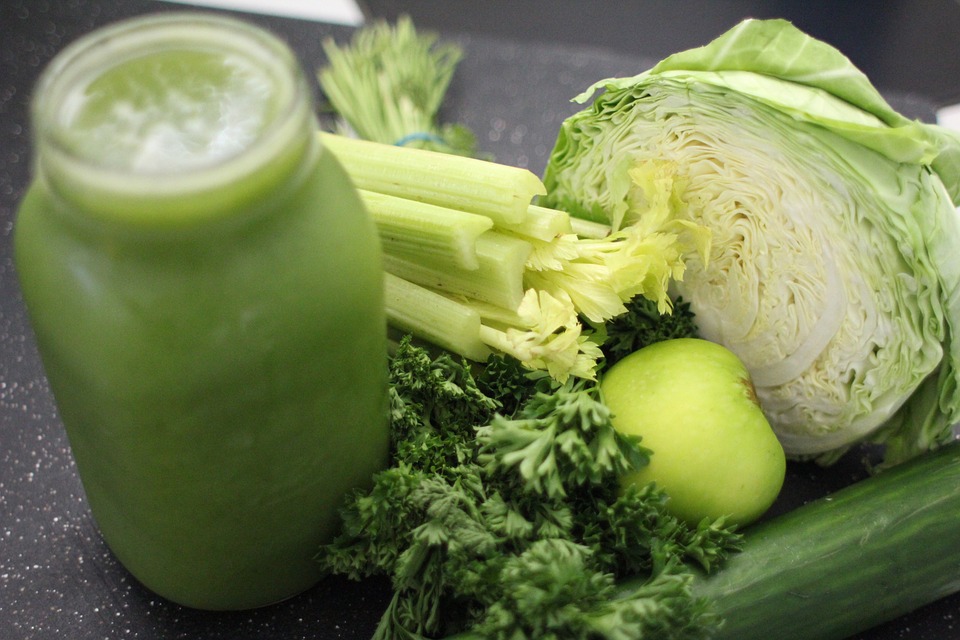
cabbage juice benefits

Potential Health Benefits of Cabbage Juice

While promising, it is important to note that much of the research is preliminary or based on the vegetable’s compounds rather than the juice itself. Therefore, cabbage juice should be considered a supportive measure, not a replacement for medical treatment.

1. May Support the Healing of Peptic Ulcers

One of the most well-documented traditional uses of cabbage juice is for peptic ulcers. This application gained significant attention following a pioneering, albeit dated, study published in the Western Journal of Medicine in 1949. In this clinical observation, Dr. Garnett Cheney reported that fresh cabbage juice appeared to significantly accelerate the healing time of peptic ulcers compared to standard therapy of the era.

Modern science suggests two primary mechanisms for this effect:

  • S-methylmethionine (Vitamin U): This compound, often referred to as “vitamin U,” is believed to help protect the stomach’s mucosal lining and support cellular repair.
  • L-glutamine: This amino acid is a crucial fuel source for the cells of the small intestine and stomach lining, playing a vital role in maintaining mucosal integrity.

Consequently, while not a “cure,” cabbage juice may provide valuable nutrients that support the body’s natural gastric healing processes.

2. May Contribute to Healthy Cholesterol Levels

Regular consumption of cruciferous vegetables is associated with improved cardiovascular health markers. Cabbage juice contains substances that may help manage cholesterol levels. For instance, a study published in 2003 observed that participants consuming a beverage containing cabbage and broccoli experienced a notable decrease in LDL (“bad”) cholesterol.

The proposed mechanisms include:

  • Soluble Fiber: Helps bind with bile acids in the digestive system, which are then excreted. The body then uses cholesterol to produce more bile acids, effectively lowering circulating cholesterol levels.
  • Phytosterols: These plant compounds can block the absorption of cholesterol in the intestines.

Maintaining healthy cholesterol levels is essential for reducing the risk of serious cardiovascular conditions, and including cabbage juice in a balanced diet may be a supportive strategy.

3. Rich in Antioxidants and Anti-Inflammatory Compounds

Cabbage is a potent source of antioxidants, which combat oxidative stress caused by free radicals in the body. Specifically, red cabbage is rich in anthocyanins, the same powerful antioxidants found in berries, which have been linked to reduced inflammation.

Furthermore, all cabbage varieties contain sulforaphane, a compound extensively studied for its anti-inflammatory and cellular-protective properties. By helping to mitigate chronic inflammation, these compounds may contribute to lowering the risk of various chronic diseases.

4. Potential Role in Cancer Risk Reduction

It is critical to state that no single food can prevent cancer. However, large-scale dietary studies consistently link high consumption of cruciferous vegetables with a reduced risk of certain cancers, including breast, colorectal, and kidney cancers. For example, research published in the Annals of Oncology highlighted this association.

The protective effects are attributed to glucosinolates, which break down into bioactive compounds like sulforaphane and indole-3-carbinol. These substances have demonstrated the ability to inhibit cancer cell growth and promote detoxification in laboratory studies. Therefore, incorporating cabbage juice into a healthy lifestyle may be a supportive measure for overall health and risk reduction.

Administration Protocol and Safety Limits

To ensure both safety and efficacy, it is essential to follow a structured protocol when consuming cabbage juice for therapeutic purposes.

1. Dosage and Maximum Quantity

  • Standard Dose: 100-120 ml (approx. 4 oz or half a cup), taken 1-2 times per day.
  • Maximum Daily Dose: Do not exceed 250 ml (approx. 8 oz) per day for a healthy adult.
  • Overdose Risk: Excessive intake can lead to significant digestive distress, including gas, bloating, and diarrhea, and may exacerbate thyroid issues in susceptible individuals.

2. Treatment Duration

  • Therapeutic Course: For a specific goal like supporting ulcer healing, a typical course is 10 to 14 days.
  • Mandatory Break: Always follow a course with a break of at least 7-10 days to prevent potential side effects.
  • Maximum Treatments: It is not recommended for continuous, long-term daily use without medical supervision.

3. Administration Conditions

  • Timing: For digestive support, consume on an empty stomach, approximately 20-30 minutes before a meal, to allow it to coat the gastric lining.
  • Preparation: Always use fresh, raw cabbage and consume the juice immediately after preparation, as its beneficial compounds degrade quickly.
  • Hydration: Ensure adequate water intake throughout the day.

Specific Biological Limitation

Goitrogenic Activity and Thyroid Function: Cabbage contains compounds called goitrogens. These substances can interfere with the thyroid gland’s uptake of iodine, which is essential for producing thyroid hormones. In individuals with a healthy thyroid and adequate iodine intake, this effect is generally negligible. However, for people with pre-existing hypothyroidism or iodine deficiency, regular consumption of large amounts of raw cabbage juice could potentially suppress thyroid function and worsen their condition.

Contraindications and Precautions

Always consult a healthcare provider before starting any new therapeutic regimen, including cabbage juice.

Absolute Contraindications

  • Known Allergy: Individuals with a known allergy to cabbage or other cruciferous vegetables should avoid it.
  • Hypothyroidism: Especially in cases of iodine deficiency, due to the goitrogenic effect.

Major Drug Interactions

  • Anticoagulants (Blood Thinners): Cabbage is extremely high in Vitamin K, which plays a crucial role in blood clotting. Consuming cabbage juice can interfere with the efficacy of medications like Warfarin (Coumadin), potentially increasing the risk of clotting. Patients on these medications must consult their doctor before use.

Vulnerable Populations

  • Pregnancy and Breastfeeding: There is insufficient safety data. It is best to avoid therapeutic doses and consult a physician.
  • Children: Not recommended for therapeutic use in children without pediatric consultation.
  • Irritable Bowel Syndrome (IBS): Cabbage is high in FODMAPs, which can trigger symptoms like gas, bloating, and abdominal pain in sensitive individuals.

When to Stop Immediately

Discontinue use and consult a doctor if you experience severe digestive upset, signs of an allergic reaction (rash, swelling), or any other adverse symptoms.

Therapeutic Alternatives

If cabbage juice is not suitable for you, other botanicals offer excellent support for gastric health, each with a unique mechanism.

Alternative Mechanism and Use Case
Deglycyrrhizinated Licorice (DGL) Promotes mucus production in the stomach, creating a protective barrier against acid. It is an excellent choice for soothing irritation associated with gastritis and ulcers without affecting blood pressure.
Marshmallow Root (Althaea officinalis) Rich in mucilage, a gel-like substance that physically coats and soothes the mucous membranes of the entire digestive tract. It is particularly useful for acid reflux and general inflammation.
Slippery Elm (Ulmus rubra) Similar to marshmallow root, it forms a soothing film over irritated tissues. It is traditionally used for gastritis, ulcers, and other inflammatory bowel conditions.

Note: Each of these alternatives has its own set of contraindications and should be used under professional guidance.

Recent Medical Research (2020-2026)

Recent research continues to focus on the bioactive compounds in cruciferous vegetables rather than cabbage juice specifically. However, these findings reinforce its potential benefits.

  • A 2021 review in the journal Nutrients highlighted the role of sulforaphane in modulating gut microbiota and reducing inflammation, which are key factors in digestive health and ulcer prevention.
  • Research continues to explore the chemopreventive properties of indole-3-carbinol. A 2022 study in Frontiers in Pharmacology discussed its mechanisms in inhibiting pathways related to cancer cell proliferation.

Current Limitations: There is a significant lack of modern, large-scale, placebo-controlled human trials specifically on cabbage juice for peptic ulcers. Most of the current evidence is either historical, anecdotal, or extrapolated from studies on its individual compounds.

Specialist’s Summary

Cabbage juice is a traditional remedy with preliminary scientific support for aiding the healing of gastric ulcers, likely due to its content of S-methylmethionine and glutamine. However, its high Vitamin K content presents a significant interaction risk with anticoagulant medications, and its goitrogenic nature requires caution in individuals with thyroid disorders. For those seeking gastric soothing, validated alternatives like DGL Licorice Root and Marshmallow Root offer effective and often safer options.

Frequently Asked Questions

1. How long does it take for cabbage juice to help with stomach ulcers?
Based on historical reports and anecdotal evidence, some individuals report relief within 7-10 days. However, this is not guaranteed, and it should never replace medical treatment prescribed by a doctor. Healing time varies greatly depending on the ulcer’s severity and the individual.

2. Can I drink cabbage juice every day?
Continuous, long-term daily use is not recommended without medical supervision due to the potential effects on thyroid function and the high Vitamin K content. It is best used in short, therapeutic courses of 10-14 days, followed by a break.

3. Does cabbage juice cause gas and bloating?
Yes, it can. Cabbage contains complex sugars (FODMAPs) and sulfur compounds that can be difficult for some people to digest, leading to gas, bloating, and abdominal discomfort, especially for those with IBS.

4. Is cabbage juice safe during pregnancy or while breastfeeding?
No, its safety has not been established. Due to the lack of research and its potent biological effects (goitrogenic, high Vitamin K), therapeutic use of cabbage juice should be avoided during pregnancy and breastfeeding. Always consult a healthcare provider.

Sources and References

  1. Cheney, G. (1949). Rapid healing of peptic ulcers in patients receiving fresh cabbage juice. California Medicine, 70(1), 10–15.
  2. Suido, H., et al. (2003). The effects of a vegetable and fruit beverage on the lipid profile of hypercholesterolemic patients. Journal of Nutritional Science and Vitaminology, 49(1), 40-46.
  3. Bosetti, C., et al. (2012). Cruciferous vegetables and cancer risk in a network of case-control studies. Annals of Oncology, 23(8), 2198–2203.
  4. Bauman, J. E., et al. (2021). The Role of Sulforaphane in Gut Health and Its Interaction with the Microbiome. Nutrients, 13(8), 2777.
  5. Weng, J. R., et al. (2022). The Preclinical and Clinical Evidence of Indole-3-Carbinol in Cancer Prevention. Frontiers in Pharmacology, 13, 872127.

⚠️ Important Medical Information

This article is for educational and informational purposes only and is not intended as medical advice, diagnosis, or treatment. The information provided about Cabbage Juice is based on traditional use, preliminary research, and available scientific evidence, which may be limited.

Before using Cabbage Juice:

  • Consult a qualified healthcare provider, especially if you are pregnant, breastfeeding, taking medications (particularly blood thinners), or have existing health conditions like thyroid disorders or IBS.
  • Do not use as a substitute for prescribed medications or professional medical treatment for ulcers or any other condition.
  • Individual results may vary – what works for one person may not work for another.
  • Monitor for adverse reactions and discontinue use if negative symptoms occur.


You may also like

Leave a Comment