Food-Grade Diatomaceous Earth: A Guide to Its Uses and Safety
Diatomaceous earth (DE) is a fine, white powder derived from the fossilized remains of microscopic aquatic organisms called diatoms. While it has numerous industrial applications, only “food-grade” diatomaceous earth is considered for human use, primarily as a source of silica. However, it is crucial to understand its limited scientific backing and significant safety protocols before considering its use.
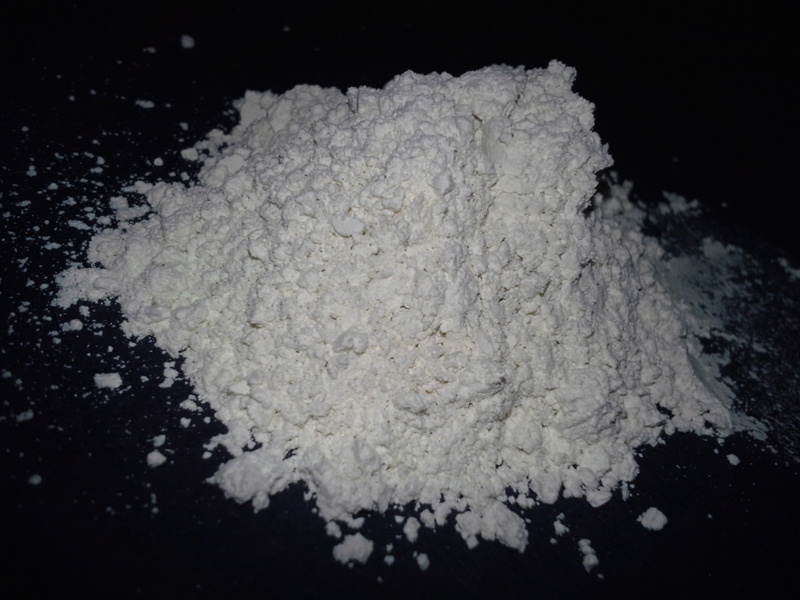
This article provides an evidence-based overview of food-grade DE, focusing on its composition, potential benefits based on its silica content, and critical safety information.
**Disclaimer:** This information is for educational purposes only and is not a substitute for professional medical advice. Always consult a healthcare provider before starting any new supplement.
The Role of Silica in the Body
Food-grade diatomaceous earth is composed of approximately 85-90% amorphous silica. Silica is a trace mineral essential for the synthesis of collagen, a protein vital for the health and integrity of connective tissues throughout the body.
Potential Support for Skin, Hair, and Nails
Because of its role in collagen production, adequate silica intake is linked to tissue health. For instance, research published in the *Annales de Dermatologie et de Vénéréologie* suggests that silica may help improve skin elasticity and reduce signs of aging. Furthermore, it contributes to the structural integrity of hair and nails, potentially reducing brittleness. While DE is a source of silica, direct clinical trials confirming these benefits from DE consumption are limited.
Contribution to Bone and Joint Health
Silica plays a fundamental role in bone formation and mineralization. According to studies, including a review in the *International Journal of Endocrinology*, silica is involved in the early stages of bone development and helps maintain bone density. Consequently, it may offer supportive benefits for conditions like osteoporosis. In addition, by supporting collagen, silica helps maintain the cartilage that cushions joints, which is essential for mobility and comfort.
Unsupported and Misleading Claims
Many popular claims about diatomaceous earth lack scientific validation and should be approached with extreme caution.
- Detoxification and Colon Cleansing: The idea that DE “scrubs” the intestines or binds to and removes toxins, parasites, and heavy metals is not supported by robust clinical evidence in humans. Its abrasive nature may irritate the digestive lining rather than cleanse it.
- Weight Loss: There is no scientific mechanism or clinical research to support the claim that DE aids in weight reduction.
Administration Protocol and Safety Limits
If you choose to use food-grade DE after consulting a healthcare professional, it is critical to follow strict safety protocols, as long-term safety data is not available.
Treatment Duration
- Treatment duration: Do not exceed 30 consecutive days of use.
- Mandatory break: A break of at least 14-21 days is recommended between cycles.
- Maximum treatments per year: Limit use to 2-3 cycles per year to minimize potential long-term risks.
Quantity and Maximum Dose
- Starting Dose: Begin with no more than half a teaspoon (approx. 1-2 grams) daily for the first week to assess tolerance.
- Maximum daily dose for a healthy adult: Do not exceed one tablespoon (approx. 7-10 grams) per day.
- Overdose Risk: Exceeding the recommended dose significantly increases the risk of digestive side effects like severe constipation, bloating, and potential intestinal blockage.
Administration Method
- Timing: It can be taken on an empty stomach or with a light meal to reduce potential gastric discomfort.
- Method of consumption: ALWAYS mix the powder thoroughly into at least 8-12 ounces (240-350 ml) of water, juice, or a smoothie. Stir vigorously just before drinking to prevent the powder from settling.
- Hydration: You must increase your water intake throughout the day when using DE to prevent constipation.
Specific Biological Limitation
The primary limitation of diatomaceous earth is its physical, abrasive nature. As an insoluble powder composed of microscopic, sharp-edged particles, it does not dissolve in the digestive tract. This property can be beneficial for external use as an exfoliant but poses a risk internally. For individuals with sensitive or compromised digestive systems, such as those with Irritable Bowel Syndrome (IBS), Crohn’s disease, or ulcerative colitis, the abrasive action can exacerbate inflammation, cause mucosal irritation, and worsen symptoms.
Contraindications and Precautions
⚠️ **CRITICAL WARNING – INHALATION HAZARD:** NEVER inhale diatomaceous earth powder. Even food-grade DE can cause significant respiratory irritation, coughing, and shortness of breath. Long-term inhalation can lead to silicosis, a serious lung disease. Always handle the powder in a well-ventilated area and avoid creating dust clouds.
Absolute Contraindications (DO NOT USE)
- Respiratory Conditions: Individuals with asthma, COPD, or any chronic lung disease should avoid handling or ingesting DE.
- Severe Digestive Disorders: Forbidden for people with Crohn’s disease, ulcerative colitis, diverticulitis, or a history of intestinal obstruction.
- Kidney Disease: The safety of silica supplementation in individuals with impaired kidney function has not been established.
Vulnerable Populations
- Pregnancy and Breastfeeding: There is no safety data available. Therefore, its use is strictly contraindicated.
- Children: Do not administer to children or adolescents under 18 due to a lack of safety research.
Major Drug Interactions
- Reduced Medication Absorption: DE is a porous, absorbent substance. Consequently, it may bind to medications in the digestive tract, reducing their effectiveness. Take DE at least 2 hours before or 4 hours after any prescription medication or supplement.
Documented Adverse Effects
- Common: Constipation (especially without adequate fluid intake), bloating, gas, and mild stomach cramps.
- Severe (Rare): Intestinal blockage (with high doses), and severe lung irritation from accidental inhalation.
Therapeutic Alternatives
If you are seeking the benefits of silica, there are several safer, better-researched alternatives to diatomaceous earth.
| Alternative | Mechanism and Benefits |
|---|---|
| Horsetail (Equisetum arvense) | A traditional herbal remedy rich in organic silica. It is well-studied for its role in supporting bone, hair, and nail health. It is available in standardized extracts, which ensures a consistent and safe dosage. |
| Bamboo Extract | One of the richest natural sources of silica, often containing up to 70% silica by weight. It is commonly used in supplements for skin and joint health due to its high bioavailability. |
| Dietary Sources | Increase your intake of silica-rich foods such as oats, millet, barley, bananas, green beans, and leafy greens. This is the safest method for obtaining this mineral. |
Recent Medical Research (2020-2026)
There is a significant lack of recent, high-quality human clinical trials on the internal use of food-grade diatomaceous earth. Most of the available information is based on anecdotal reports, animal studies, or in-vitro research.
**Current Limitations:**
- We do not have reliable data on the long-term safety of daily DE consumption in humans.
- The bioavailability of silica from DE compared to other sources like horsetail or bamboo has not been well-established.
- Claims regarding detoxification and parasite removal remain unsubstantiated by rigorous scientific investigation.
Updated Scientific Verdict: The primary potential benefit of food-grade DE is as a silica supplement. However, due to the lack of safety data and the availability of better-researched alternatives, its use cannot be broadly recommended from a clinical phytotherapy perspective.
Specialist’s Summary
Food-grade diatomaceous earth is primarily a source of silica, which may offer supportive benefits for skin, bone, and connective tissue health. However, its use is accompanied by significant risks, most notably respiratory damage from inhalation and digestive irritation. It is strictly contraindicated for individuals with lung or severe gut conditions. Given the lack of robust clinical evidence and the existence of safer, validated alternatives like Horsetail or Bamboo extract, these should be considered the preferred options for silica supplementation.
Frequently Asked Questions
1. What is the difference between food-grade and filter-grade DE?
Food-grade DE is uncalcined (not heat-treated) and is composed of amorphous silica. In contrast, filter-grade (or industrial) DE is calcined, which converts the silica into a crystalline form. Crystalline silica is highly toxic when inhaled and is a known human carcinogen. NEVER ingest or inhale filter-grade DE.
2. Can diatomaceous earth really detox the body from parasites or heavy metals?
There is no credible scientific evidence from human trials to support these claims. While some lab studies suggest it can absorb certain substances, this has not been proven to translate into a clinical “detox” effect in the human body. These claims are largely anecdotal.
3. What are the most common side effects of taking diatomaceous earth?
The most frequently reported side effect is constipation, which occurs when it is taken without sufficient water. Other potential effects include bloating, gas, and mild digestive discomfort. The most serious risk is lung damage from inhaling the fine powder.
4. Is diatomaceous earth safe for children or during pregnancy?
No. Due to a complete lack of safety studies in these populations, the use of diatomaceous earth is strictly contraindicated for children, as well as during pregnancy and while breastfeeding.
Sources and References
**Recent Studies & Reviews:**
- Juric, A., et al. (2022). Biological and Therapeutic Effects of Orthosilicic Acid and Some Orthosilicic Acid-Releasing Compounds: A Systematic Review. Nutrients. https://www.mdpi.com/2072-6643/14/4/875
- Price, C. T., et al. (2013). Silicon: a review of its potential role in the prevention and treatment of postmenopausal osteoporosis. International Journal of Endocrinology. https://www.hindawi.com/journals/ije/2013/316783/
**Official Monographs & Safety Data:**
- National Pesticide Information Center. (2013). Diatomaceous Earth General Fact Sheet. http://npic.orst.edu/factsheets/degen.html
⚠️ Important Medical Information
This article is for educational and informational purposes only and is not intended as medical advice, diagnosis, or treatment. The information provided about Diatomaceous Earth is based on its chemical composition, traditional use, and available scientific evidence, which is limited for internal human consumption.
Before using Diatomaceous Earth:
- Consult a qualified healthcare provider, especially if you are pregnant, breastfeeding, taking medications, or have existing health conditions like respiratory or digestive disorders.
- Do not use as a substitute for prescribed medications or professional medical treatment.
- Individual results may vary – what works for one person may not work for another and could cause harm.
- Monitor for adverse reactions and discontinue use immediately if negative symptoms occur, particularly breathing difficulties or severe constipation.



