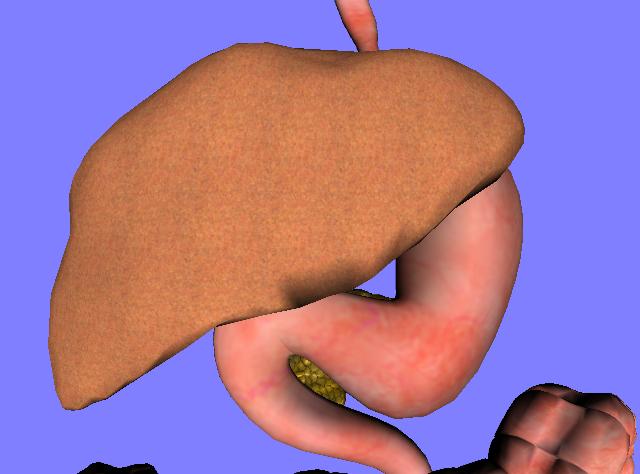
An enlarged liver, known medically as hepatomegaly, is not a disease in itself but rather a sign of an underlying medical issue. It indicates that the liver is swollen beyond its normal size due to conditions like fatty liver disease, infections such as hepatitis, excessive alcohol consumption, or other metabolic problems. Common signs that may accompany an enlarged liver include jaundice (yellowing of the skin and eyes), abdominal discomfort, and fatigue. Therefore, it is crucial to seek a medical diagnosis to identify and treat the root cause.
While medical treatment is essential, certain phytotherapeutic agents can offer supportive care for liver health. This article explores the evidence-based use of botanicals, focusing on Milk Thistle, and provides clear safety guidelines, eliminating outdated and unverified home remedies.

Understanding the Causes and Symptoms of an Enlarged Liver
The liver can become enlarged for numerous reasons, and the appropriate treatment strategy depends entirely on the underlying diagnosis. For instance, if excessive alcohol consumption is the cause, the primary treatment involves abstaining from alcohol. Similarly, if Non-Alcoholic Fatty Liver Disease (NAFLD) is the culprit, management focuses on dietary changes, weight management, and exercise.
Although hepatomegaly itself might not produce obvious symptoms, you should be aware of associated signs that warrant a medical consultation:
- A feeling of fullness or a palpable mass in the upper right abdomen.
- Jaundice (yellowing of the skin or whites of the eyes).
- Unexplained weight loss and loss of appetite.
- Persistent fatigue and muscle aches.
- Nausea or vomiting.
Importantly, self-diagnosing or relying on unverified remedies can be dangerous. A healthcare provider must properly diagnose the condition to ensure safe and effective management.
Milk Thistle (Silybum marianum): The Primary Botanical for Liver Support
For centuries, traditional European medicine has utilized Milk Thistle for liver and gallbladder ailments. Modern science has since investigated its properties, identifying a group of active compounds known as silymarin as responsible for its therapeutic effects. Research suggests silymarin supports liver health through several mechanisms:
- Antioxidant Action: It neutralizes harmful free radicals, protecting liver cells (hepatocytes) from oxidative stress.
- Anti-inflammatory Properties: Silymarin can inhibit inflammatory pathways that contribute to liver damage.
- Cellular Regeneration: It may stimulate protein synthesis in liver cells, potentially aiding in the regeneration of damaged tissue.
- Antifibrotic Effects: Some studies indicate it may slow down the process of liver scarring (fibrosis).
According to a meta-analysis published in the World Journal of Gastroenterology, silymarin has shown potential benefits in improving liver enzyme levels in patients with various liver diseases, particularly NAFLD.
Administration Protocol and Safety Limits
For Milk Thistle to be effective and safe, it is crucial to use a standardized extract and follow a clear protocol.
Dosage and Formulation
- Standardized Extract: Choose products standardized to contain 70-80% silymarin. This ensures a consistent and therapeutic dose.
- Maximum Daily Dose: For a healthy adult, the typical dosage ranges from 200 to 400 mg of silymarin per day, divided into two or three doses.
- Overdose Risk: Exceeding recommended doses does not typically lead to severe toxicity but may increase the likelihood of gastrointestinal side effects like bloating, gas, or diarrhea.
Treatment Duration and Timing
- Treatment Duration: A typical course of treatment lasts for 8 to 12 weeks.
- Mandatory Break: It is advisable to take a break of 2 to 4 weeks between treatment cycles to assess efficacy and allow the body to rest.
- Administration: Take Milk Thistle supplements with meals to enhance the absorption of silymarin and reduce the risk of stomach upset.
Specific Biological Limitation
Milk Thistle’s active compounds are metabolized in the liver and can influence the cytochrome P450 enzyme system. This system is responsible for breaking down many pharmaceutical drugs.
Technical Warning: By affecting enzymes like CYP2C9 and CYP3A4, Milk Thistle can potentially alter the blood levels of certain medications, either increasing their effect (and risk of side effects) or decreasing their efficacy. For this reason, consulting a healthcare provider or pharmacist before combining it with prescription drugs is essential.
Contraindications and Precautions
Absolute Contraindications
- Allergy: Individuals with a known allergy to the Asteraceae/Compositae family of plants (such as ragweed, daisies, marigolds, and chrysanthemums) should avoid Milk Thistle to prevent allergic reactions.
- Hormone-Sensitive Cancers: Due to a possible mild estrogenic effect, individuals with a history of hormone-sensitive conditions like breast, uterine, or prostate cancer should consult their oncologist before use.
Vulnerable Populations
- Pregnancy and Breastfeeding: There is insufficient safety data to recommend its use. Therefore, it should be avoided.
- Children: The safety of Milk Thistle in children has not been well-established. Use only under the guidance of a qualified healthcare professional.
Major Drug Interactions
- Diabetes Medications: Milk Thistle may lower blood sugar levels, potentially increasing the risk of hypoglycemia when combined with drugs like metformin or insulin.
- Anticoagulants/Antiplatelets (e.g., Warfarin): It may have a mild blood-thinning effect, so caution is advised.
- Drugs Metabolized by CYP450 Enzymes: This includes certain statins, calcium channel blockers, and benzodiazepines (e.g., diazepam).
Therapeutic Alternatives
If Milk Thistle is not suitable, other botanicals with evidence for liver support can be considered, each with a unique mechanism. Always consult a professional before starting any new supplement.
| Alternative | Primary Mechanism and Use Case |
|---|---|
| Artichoke Leaf Extract (Cynara scolymus) | Primarily supports the liver by increasing bile production (choleretic effect), which aids in fat digestion and detoxification. It is particularly useful for individuals with indigestion and high cholesterol alongside fatty liver concerns. |
| Turmeric (Curcuma longa) | The active compound, curcumin, is a potent anti-inflammatory agent. It helps reduce liver inflammation associated with conditions like NAFLD and alcoholic liver disease. Its benefits are systemic, not just limited to the liver. |
| Schisandra Berry (Schisandra chinensis) | Used in Traditional Chinese Medicine, Schisandra is an adaptogen with hepatoprotective properties. It helps protect the liver from various toxins and supports Phase I and Phase II detoxification pathways. |
Recent Medical Research (2020-2026)
Modern research continues to validate the traditional uses of these botanicals. For example, a 2020 review in the journal Phytotherapy Research reaffirmed the potential of silymarin to improve liver enzymes and reduce inflammation in patients with NAFLD. Furthermore, a 2022 study highlighted its role in protecting against drug-induced liver injury. However, researchers agree that more large-scale, high-quality human trials are needed to establish definitive treatment guidelines.
Specialist’s Summary
Milk Thistle (Silybum marianum) is a well-researched botanical useful for supporting liver function, particularly in cases of fatty liver disease and toxin-induced stress. Its effects, driven by silymarin, are primarily protective and regenerative. However, it is contraindicated for those with Asteraceae allergies and requires caution when used with medications for diabetes or those metabolized by the liver. Validated alternatives like Artichoke Leaf and Turmeric offer complementary mechanisms for comprehensive liver support.
Frequently Asked Questions
1. Can Milk Thistle reverse serious liver damage like cirrhosis?
No. While Milk Thistle can support liver function, protect cells from further damage, and may help reduce inflammation and fibrosis, it cannot reverse advanced scarring like cirrhosis. It should be considered a supportive therapy used alongside conventional medical treatment, not a cure.
2. How long does it take to see benefits from taking Milk Thistle?
Improvements in liver enzyme tests may be observed after 8 to 12 weeks of consistent use. However, individual results vary depending on the underlying condition, dosage, and lifestyle factors like diet and alcohol intake.
3. What is the best form of Milk Thistle to take?
The most effective form is a standardized extract containing 70-80% silymarin. This ensures you receive a consistent, therapeutic dose of the active compounds. Consuming raw seeds or unstandardized powders is less reliable and may not provide sufficient benefits.
4. Is Milk Thistle safe for children, during pregnancy, or while breastfeeding?
No, its use is not recommended in these populations due to a lack of sufficient safety data. The potential effects on fetal development, infants via breast milk, and children are unknown. Always consult a healthcare provider before giving any herbal supplement to a child or using it during pregnancy or lactation.
Sources and References
Recent Studies (2020-2026):
- Abenavoli, L., Izzo, A. A., Milić, N., Cicala, C., Santini, A., & Capasso, R. (2020). Milk thistle (Silybum marianum): A concise overview on its chemistry, pharmacological, and nutraceutical uses in liver diseases. Phytotherapy Research. https://doi.org/10.1002/ptr.6171
- Gillessen, A., & Schmidt, H. H. (2020). Silymarin as a supportive treatment in liver diseases: A narrative review. Advances in Therapy. https://doi.org/10.1007/s12325-020-01251-y
Official Monographs:
- World Health Organization (WHO). (1999). Monographs on Selected Medicinal Plants – Volume 2. Fructus Silybi Mariae.
- European Medicines Agency (EMA). (2018). European Union herbal monograph on Silybum marianum (L.) Gaertn., fructus. EMA/HMPC/29418/2017.
⚠️ Important Medical Information
This article is for educational and informational purposes only and is not intended as medical advice, diagnosis, or treatment. The information provided about Milk Thistle (Silybum marianum) is based on traditional use, preliminary research, and available scientific evidence, which may be limited.
Before using Milk Thistle:
- Consult a qualified healthcare provider, especially if you are pregnant, breastfeeding, taking medications, or have existing health conditions like liver disease or cancer.
- Do not use as a substitute for prescribed medications or professional medical treatment for an enlarged liver.
- Individual results may vary – what works for one person may not work for another.
- Monitor for adverse reactions and discontinue use if negative symptoms occur.