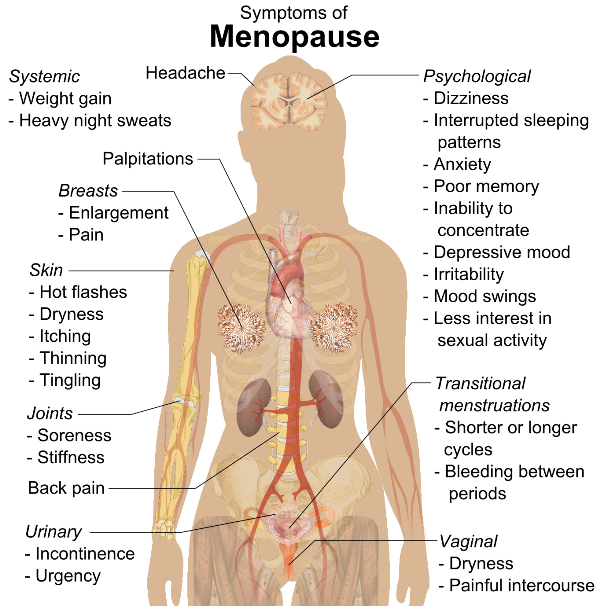
Perimenopause, the transitional stage before menopause, often presents significant challenges for many women. During this period, which can last for several years, declining reproductive hormones can trigger a wide range of symptoms. For instance, many women experience mood swings, hot flashes, sleep disturbances, and migraines. While conventional medical treatments are available, an excess of medication can be concerning, and some therapies may not be suitable for long-term use. Consequently, many individuals seek complementary support. This guide explores evidence-based phytotherapeutic strategies that may help manage these symptoms, emphasizing safety and efficacy.

Foundational Dietary and Lifestyle Support
Before considering specific herbal interventions, establishing a supportive lifestyle is crucial. Indeed, dietary modifications can significantly influence hormonal balance and symptom severity. A diet rich in whole foods provides the essential nutrients the body needs to navigate the physiological changes of perimenopause. Specifically, increasing the intake of fruits, raw vegetables, and dark leafy greens (such as spinach, kale, and broccoli) can provide vital phytonutrients and fiber. This dietary pattern supports metabolic health, may improve sleep quality, and can help stabilize mood.
Conversely, certain foods and substances can exacerbate perimenopausal symptoms. For this reason, experts recommend limiting or avoiding foods high in refined sugar, as well as alcohol and excessive caffeine. These substances can trigger hot flashes, disrupt sleep, and contribute to mood instability. Similarly, reducing the consumption of red meat may also help alleviate symptoms for some women.
Key Phytotherapeutic Interventions for Perimenopause
Several botanical agents have been studied for their potential role in alleviating perimenopausal symptoms. However, it is essential to approach their use with a clear understanding of proper administration, safety limits, and contraindications. The following sections detail some of the most researched options.
1. Black Cohosh (Actaea racemosa)
Black Cohosh is one of the most extensively studied herbs for managing vasomotor symptoms, such as hot flashes and night sweats. Its active compounds are thought to influence serotonergic pathways in the brain, which helps regulate body temperature.
⚠️ WARNING – Potential Liver Toxicity!
Although rare, there have been reports linking Black Cohosh supplements to liver injury. Therefore, individuals with pre-existing liver conditions or those taking other medications that affect the liver must avoid this herb. Always consult a healthcare provider before starting treatment and report any signs of liver distress (such as jaundice, dark urine, or abdominal pain) immediately.
Administration Protocol and Safety Limits
-
- Treatment Duration: Clinicians typically recommend using Black Cohosh for periods of 3 to 6 months, followed by a medical evaluation. Long-term use beyond one year is not recommended without professional supervision.
- Maximum Daily Dose: For standardized extracts containing 1 mg of triterpene glycosides (measured as 27-deoxyactein), the recommended dosage is 40-80 mg per day, divided into two doses. Exceeding this dose does not increase efficacy and may elevate the risk of side effects.
- Administration Condition: Take supplements with food to minimize the risk of gastrointestinal upset.
Specific Biological Limitation
Hepatotoxicity Risk: The primary biological concern with Black Cohosh is its potential, though rare, association with idiosyncratic liver injury. The exact mechanism is not fully understood but may involve metabolic byproducts that are toxic to susceptible individuals. For this reason, monitoring liver function is a critical precaution for anyone considering its long-term use.
2. Soy Isoflavones (from Glycine max)
Soy contains isoflavones, such as genistein and daidzein, which are classified as phytoestrogens. These plant-based compounds have a chemical structure similar to human estrogen and can bind to estrogen receptors in the body. As a result, they may help compensate for declining estrogen levels during perimenopause.
Administration Protocol and Safety Limits
-
- Treatment Duration: Dietary intake of soy can be lifelong. For supplements, use should be discussed with a healthcare provider, especially for durations exceeding one year.
- Maximum Daily Dose: A dietary intake of 1-2 servings of whole soy foods (e.g., tofu, edamame, soy milk) per day is generally considered safe and provides 25-50 mg of isoflavones. Supplement doses typically range from 50 to 100 mg of isoflavones daily.
- Administration Condition: Consume whole soy foods as part of a balanced diet. If using supplements, take them with meals. Note that the gut microbiome plays a role in metabolizing isoflavones, and efficacy can vary between individuals.
Specific Biological Limitation
Estrogenic Activity and Thyroid Interaction: Soy isoflavones act as Selective Estrogen Receptor Modulators (SERMs), meaning they can have either estrogenic or anti-estrogenic effects depending on the tissue. This creates a precaution for individuals with a history of hormone-sensitive cancers (e.g., breast cancer). Furthermore, high doses of soy isoflavones may interfere with thyroid hormone synthesis, a particular concern for individuals with subclinical hypothyroidism.
3. Red Clover (Trifolium pratense)
Similar to soy, Red Clover is a rich source of isoflavones. Clinical studies suggest it may be effective in reducing the frequency and severity of hot flashes. Moreover, some research indicates it could have a positive effect on bone density and cardiovascular health in postmenopausal women.
Administration Protocol and Safety Limits
-
- Treatment Duration: Typical use in studies ranges from 3 to 12 months. A mandatory break of 1-2 months is advisable after 6 months of continuous use to allow for medical reassessment.
- Maximum Daily Dose: The standard dose is 40-80 mg of isoflavones from a standardized extract per day. Exceeding 120 mg per day offers no additional benefit and increases potential risks.
- Administration Condition: Take with food. Efficacy may take 4-6 weeks to become apparent.
Specific Biological Limitation
Anticoagulant and Estrogenic Effects: Red Clover contains coumarin derivatives, which can have a mild blood-thinning effect. Consequently, this creates a significant risk of bleeding when combined with anticoagulant or antiplatelet medications (e.g., warfarin, aspirin). Its phytoestrogenic activity also warrants caution in individuals with a history of hormone-sensitive conditions.
Quick Guide: Perimenopause Herb Safety
| Category | Details |
|---|---|
| ❌ Who should AVOID | • Individuals with liver disease (Black Cohosh) • History of hormone-sensitive cancers (Soy, Red Clover) • Individuals on blood thinners (Red Clover) • Pregnant or breastfeeding women |
| 📊 Maximum safe dose | • Black Cohosh: 40-80 mg/day (standardized extract) • Red Clover / Soy: 40-80 mg/day of isoflavones • Treatment Duration: Generally 3-6 months before re-evaluation |
| 🚨 ALARM signs | • Jaundice (yellowing skin/eyes) • Unexplained dark urine or severe abdominal pain • Unusual bleeding or bruising • Any signs of an allergic reaction (rash, swelling) |
| 💊 Major interactions | • Anticoagulants (Red Clover) • Hepatotoxic medications (Black Cohosh) • Thyroid medication (Soy) • Tamoxifen and other hormone therapies |
| ⏱️ When to consult a doctor | IMMEDIATELY if alarm signs appear OR No improvement after 3 months of use. |
💡 Golden rule: Always inform your healthcare provider about any herbal supplements you are taking.
How to Choose Quality Herbal Products
The effectiveness and safety of herbal remedies depend heavily on product quality. Therefore, consumers should exercise diligence when making a purchase.
Quality Criteria for Therapeutic Products
-
- Standardization: Look for products standardized to a specific amount of active compounds (e.g., triterpene glycosides for Black Cohosh or isoflavones for Soy/Red Clover). This ensures consistent dosage and potency.
- Third-Party Testing: Choose brands that undergo third-party testing for purity and contaminants (e.g., from USP, NSF). This certification provides an independent verification of quality.
- Source and Form: Standardized extracts in capsule or tablet form are generally more reliable for therapeutic purposes than bulk herbs or teas, which can have highly variable potency.
- Where to Buy: Purchase supplements from reputable pharmacies or health food stores that can provide information on brand quality control. Avoid products from unknown online sellers or those with suspiciously low prices.
Contraindications and Precautions
Absolute Contraindications
-
- Pregnancy and Breastfeeding: The hormonal effects of these herbs make them unsafe during pregnancy and lactation.
- History of Hormone-Sensitive Cancers: Individuals with a personal or strong family history of cancers of the breast, uterus, or ovaries should avoid phytoestrogenic herbs like soy and red clover unless approved by their oncologist.
- Liver Disease: Anyone with active or chronic liver conditions should avoid Black Cohosh.
Major Drug Interactions
-
- Anticoagulants (e.g., Warfarin, Aspirin): Red Clover can potentiate the effects of these drugs, increasing bleeding risk.
- Tamoxifen and Aromatase Inhibitors: Phytoestrogens may interfere with the action of these breast cancer medications.
- Hepatotoxic Drugs: Combining Black Cohosh with other drugs known to affect the liver (e.g., high-dose acetaminophen, certain statins) may increase the risk of liver damage.
Therapeutic Alternatives
If the botanical options discussed are not suitable or effective, other avenues are available.
Botanical Alternatives with Studies
-
- Maca (Lepidium meyenii): An adaptogenic root that may help balance hormones and improve libido and mood without containing phytoestrogens. It is often considered a suitable alternative for those who must avoid estrogenic compounds.
- Vitex (Vitex agnus-castus): Particularly useful in early perimenopause for regulating menstrual cycles and alleviating symptoms of premenstrual syndrome (PMS), which can worsen during this transition.
Pharmacological Option
-
- Hormone Replacement Therapy (HRT): HRT is the most effective medical treatment for moderate to severe perimenopausal symptoms. A thorough discussion with a healthcare provider is necessary to weigh the benefits against the potential risks for each individual.
Note: Each alternative has its own unique profile of benefits and contraindications.
Recent Medical Research (2020-2026)
Recent research continues to refine our understanding of these botanicals. For example, a 2022 meta-analysis on Black Cohosh reaffirmed its efficacy for vasomotor symptoms but also highlighted the need for high-quality, long-term safety data. Similarly, ongoing studies on soy isoflavones are exploring their differential effects based on an individual’s gut microbiome, explaining why some women respond better than others. The current scientific verdict is that while these herbs can offer moderate relief for specific symptoms, they are not a substitute for comprehensive medical care, especially in cases of severe symptoms or underlying health conditions.
Specialist’s Summary
Phytotherapy offers valuable support for managing mild to moderate perimenopausal symptoms, particularly hot flashes and mood swings. Black Cohosh and phytoestrogens from Red Clover or Soy are the most-studied options, with moderate effects that typically appear after 4-8 weeks. However, they are contraindicated in individuals with liver disease or hormone-sensitive conditions and have significant interactions with anticoagulants and hormone therapies. Validated alternatives like Maca or Vitex may be more suitable for certain individuals, but Hormone Replacement Therapy remains the gold standard for severe symptoms.
Frequently Asked Questions
Can herbal remedies replace Hormone Replacement Therapy (HRT)?
No. While herbal remedies can help manage mild to moderate symptoms, they are not as potent or effective as HRT. HRT is the most effective treatment for severe symptoms like intense hot flashes, night sweats, and vaginal atrophy. Herbal supplements should be considered a supportive measure, not a replacement.
How long does it take for these herbs to work for perimenopause?
Patience is key. Unlike pharmaceuticals, botanical medicines often require time to exert their effects. Most clinical trials show noticeable improvements in symptoms after 4 to 8 weeks of consistent use. If no benefit is observed after 3 months, it is advisable to consult a healthcare provider to explore other options.
Is it safe to take soy if I have a thyroid condition?
This requires caution. High doses of soy isoflavones (typically from supplements) can interfere with the absorption of thyroid medication and may inhibit thyroid peroxidase. Individuals with hypothyroidism should consult their endocrinologist. It is crucial to take thyroid medication on an empty stomach, at least 4 hours apart from soy supplements.
What are the best non-estrogenic herbal alternatives for perimenopause?
For individuals who need to avoid phytoestrogens, Maca (Lepidium meyenii) is a primary alternative for boosting energy, mood, and libido. Additionally, Saffron (Crocus sativus) has shown promise in studies for improving mood and reducing anxiety associated with perimenopause.
Sources and References
-
- Castelo-Branco, C., et al. (2021). Review & Meta-analysis: isoflavones, either alone or in combination with other soy components, reduce menopausal symptoms. Climacteric, 24(3), 229-237. Link to study
- Geller, S. E., & Studee, L. (2005). Botanical and dietary supplements for menopausal symptoms: what works, what doesn’t. Journal of women’s health, 14(7), 634-649.
- National Center for Complementary and Integrative Health (NCCIH). (2020). Black Cohosh. NCCIH Fact Sheet
- European Medicines Agency (EMA). (2018). European Union herbal monograph on Cimicifuga racemosa (L.) Nutt., rhizoma. EMA Monograph
1 comment
Soy? All soy is gmo …. won’t touch the stuff.