Herbs for Insomnia: A Research-Based Guide to Safe Use

Learn how Valerian, Passionflower, and Lemon Balm may support sleep, with expert dosage and safety advice.

by Ciprian
0 comments
A+A-
Reset

Insomnia, a sleep disorder marked by difficulty falling or staying asleep, can significantly impair daytime function. Furthermore, it can lead to memory issues, mood disturbances like irritability and depression, and is associated with an increased risk of chronic health conditions. While many factors contribute to sleeplessness, certain botanicals have been traditionally used and are now being studied for their potential to support the body’s natural sleep processes. However, it is crucial to approach herbal remedies with knowledge and caution.

This evidence-based guide explores several well-researched herbs that may help with sleep, focusing on their mechanisms, proper usage, and essential safety protocols. This information is for educational purposes and is not a substitute for professional medical advice.

13 - Linden

Understanding the Causes of Insomnia

Insomnia is broadly categorized based on its duration and underlying cause. Understanding the potential trigger is a key step in managing sleep difficulties effectively.

Acute vs. Chronic Insomnia

  • Acute Insomnia: This short-term condition lasts from one night to a few weeks. It is often triggered by specific, identifiable stressors.
  • Chronic Insomnia: This long-term pattern involves sleep difficulties at least three nights a week for a month or longer and may be linked to underlying medical or psychological conditions.

Common Triggers for Insomnia

Identifying the root cause is essential, as herbs are most effective when the underlying issue is also addressed. Common causes include:

  • Lifestyle Factors: Over-consumption of stimulants like caffeine and nicotine, or an irregular sleep schedule (e.g., shift work, jet lag).
  • Stress and Mental Health: Significant life stress, anxiety, depression, and other mood disorders are primary drivers of chronic insomnia.
  • Medical Conditions: Chronic pain, restless legs syndrome, hyperthyroidism, heart disease, and breathing disorders can disrupt sleep.
  • Medications: Certain drugs for colds, allergies, high blood pressure, and asthma can interfere with sleep architecture.
  • Environmental Factors: A disruptive sleep environment due to noise, light, or uncomfortable temperatures.

Evidence-Based Herbs for Sleep Support

While many herbs are traditionally used for relaxation, modern research has focused on a select few for their notable effects on sleep. We will concentrate on those with the most significant scientific support.

1. Valerian Root (Valeriana officinalis)

Valerian root is one of the most extensively studied herbs for insomnia. Traditionally used since ancient Greece and Rome to ease restlessness and sleep difficulties, its benefits are now attributed to its interaction with the brain’s calming neurotransmitters.

Mechanism of Action: Research suggests that compounds in valerian root, such as valerenic acid, may increase the availability of gamma-aminobutyric acid (GABA), a neurotransmitter that reduces neuronal excitability. In effect, this helps quiet the central nervous system, making it easier to fall asleep.

Administration Protocol and Safety Limits

Form Standardized Extract (0.8% valerenic acid) or Dried Root Tincture/Tea
Dosage 300-600 mg of standardized extract, or the equivalent of 2-3 g of dried root.
Timing Take 30 to 60 minutes before bedtime.
Duration Use for 2-6 weeks, followed by a 1-2 week break to assess continued need and prevent tolerance.

Specific Biological Limitation

Valerian’s effect on GABA receptors is its primary strength but also its main limitation. For a small percentage of individuals, valerian can cause a paradoxical reaction, leading to increased anxiety and restlessness instead of sedation. Therefore, it is wise to start with a lower dose to assess your individual response.

2. Passionflower (Passiflora incarnata)

Traditionally used by Native Americans and later in European folk medicine, passionflower is recognized for its calming effects, particularly for sleep issues related to anxiety and racing thoughts.

Mechanism of Action: Like valerian, passionflower is believed to work by modulating the GABA system. According to a study published in Phytotherapy Research, certain flavonoids in passionflower bind to GABA receptors, which helps reduce anxiety and promote a state of calm conducive to sleep.

Administration Protocol and Safety Limits

Form Dried Herb Tea, Liquid Extract, or Capsules
Dosage Tea: 1-2 g of dried herb steeped in 150 ml of hot water. Extract: 0.5-2 g equivalent daily.
Timing Drink one cup of tea or take extract about one hour before bedtime.
Duration Suitable for up to 4 weeks of continuous use, followed by a mandatory break of 1 week.

Specific Biological Limitation

Passionflower’s primary action is anxiolytic (anxiety-reducing). Consequently, it is most effective for individuals whose insomnia is driven by worry or racing thoughts. It may be less effective for sleep disturbances caused by physical pain or other non-anxiety-related conditions.

3. Lemon Balm (Melissa officinalis)

A member of the mint family, lemon balm has a long history of use for calming the nerves and improving mood. It is often combined with other sedative herbs like valerian to enhance its sleep-promoting effects.

Mechanism of Action: Lemon balm contains compounds like rosmarinic acid that inhibit an enzyme called GABA transaminase. By inhibiting this enzyme, it increases the amount of available GABA in the brain, leading to a mild sedative and calming effect.

Administration Protocol and Safety Limits

Form Dried Herb Tea or Standardized Extract
Dosage Tea: 1.5-4.5 g of dried leaves steeped in hot water. Extract: 300-600 mg daily.
Timing Consume in the evening or about an hour before sleep.
Duration Use for up to 4 weeks. Long-term use should be monitored by a healthcare provider.

Specific Biological Limitation

Long-term, high-dose use of lemon balm may potentially interfere with thyroid hormone production. For this reason, individuals with hypothyroidism or other thyroid conditions should use this herb with caution and under medical supervision.

Contraindications and Precautions

Herbal remedies are not without risks. It is essential to be aware of contraindications, potential side effects, and drug interactions before use.

  • Pregnancy and Breastfeeding: The safety of these herbs has not been established. Passionflower is explicitly contraindicated in pregnancy due to its potential to stimulate uterine contractions.
  • Children: Use in children should only be done under the guidance of a qualified healthcare practitioner.
  • Surgery: Because these herbs affect the central nervous system, you should stop taking them at least two weeks before any scheduled surgery to avoid interactions with anesthesia.
  • Drug Interactions:
    • Sedatives: Combining these herbs with other sedatives (e.g., benzodiazepines, barbiturates, alcohol) can cause excessive drowsiness and is not recommended.
    • Antidepressants: Caution is advised when combining with certain antidepressants, particularly MAOIs.
  • When to Stop Immediately: Discontinue use if you experience paradoxical anxiety, severe morning grogginess, dizziness, or any signs of an allergic reaction.

Therapeutic Alternatives

If the herbs above are not suitable for you, other botanicals with scientific support may be considered after consulting a healthcare provider.

  1. German Chamomile (Matricaria recutita): A milder option, chamomile contains an antioxidant called apigenin that binds to specific brain receptors, promoting relaxation. It is particularly useful for sleep issues linked to digestive discomfort.
  2. Hops (Humulus lupulus): Often combined with valerian, hops contains compounds that have a sedative effect. However, it also possesses phytoestrogenic properties, so individuals with hormone-sensitive conditions should use it cautiously.
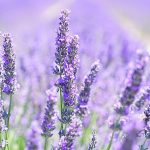
  3. Lavender (Lavandula angustifolia): While often used as aromatherapy, oral lavender oil preparations have shown promise in studies for reducing anxiety and improving sleep quality without significant sedative side effects.

Recent Medical Research (2020-2026)

Modern science continues to investigate the efficacy and safety of these traditional remedies. A 2022 systematic review on Passiflora incarnata confirmed its anxiolytic and sedative potential, highlighting its role in managing anxiety-related disorders. Furthermore, a 2020 meta-analysis published in the Journal of Clinical Sleep Medicine concluded that valerian root showed a statistically significant ability to improve sleep quality, although the clinical significance was modest. Research limitations often include small sample sizes and variability in herbal preparations, underscoring the need for more large-scale, standardized trials.

Specialist’s Summary

Valerian, Passionflower, and Lemon Balm are useful for mild to moderate insomnia, particularly when related to anxiety or stress. Their effects, which are generally mild, typically appear after consistent use over several days or weeks. However, they are contraindicated during pregnancy and can interact with sedative medications. Validated alternatives like Chamomile or Lavender offer different mechanisms and safety profiles that may be more suitable for certain individuals.

Frequently Asked Questions

1. How long do herbal sleep aids take to work?
Unlike pharmaceutical sleeping pills, the effects of most herbs are cumulative. While some people notice a difference after the first night, it often takes consistent use for 2-4 weeks to experience the full benefits, especially with valerian root.

2. Can I combine different sleep herbs?
Many commercial herbal sleep formulas combine these herbs (e.g., valerian and lemon balm). This is generally considered safe at appropriate doses. However, you should not combine them with prescription sedatives or alcohol without medical supervision.

3. Are herbal sleep aids addictive?
The herbs discussed here are not considered to be physically addictive and do not typically cause the dependence associated with prescription sleep medications. However, psychological reliance is possible, which is why taking periodic breaks is recommended.

4. Is it safe to use these herbs every night?
For short-term relief, nightly use for a few weeks is generally safe for healthy adults. For chronic insomnia, it is crucial to work with a healthcare provider to address the root cause rather than relying on any sleep aid indefinitely.

Sources and References

  • Shinjyo, N., Waddell, G., & Green, J. (2020). Valerian Root in Treating Sleep Problems and Associated Disorders-A Systematic Review and Meta-Analysis. Journal of Evidence-Based Integrative Medicine, 25.
  • Gibbert, J., et al. (2017). Passiflora incarnata L. for anxiety and insomnia: a systematic review. Phytotherapy Research, 31(6), 837-843.
  • European Medicines Agency (EMA). Community herbal monograph on Valeriana officinalis L., radix.
  • World Health Organization (WHO). WHO Monographs on Selected Medicinal Plants – Volume 1: Radix Valerianae.

⚠️ Important Medical Information

This article is for educational and informational purposes only and is not intended as medical advice, diagnosis, or treatment. The information provided about Valerian, Passionflower, and Lemon Balm is based on traditional use, preliminary research, and available scientific evidence, which may be limited.

Before using any herbal supplement:

  • Consult a qualified healthcare provider, especially if you are pregnant, breastfeeding, taking medications, or have existing health conditions.
  • Do not use as a substitute for prescribed medications or professional medical treatment.
  • Individual results may vary – what works for one person may not work for another.
  • Monitor for adverse reactions and discontinue use if negative symptoms occur.


You may also like

Leave a Comment