Herbal and Nutritional Support for Common Eye Conditions

by Andreea Smiterson
0 comments
A+A-
Reset

Eye and vision conditions have become increasingly prevalent across all age groups. In the past, many of these issues were primarily associated with aging. However, modern lifestyles have contributed to a rise in vision problems among younger individuals, including children.

There are several key factors contributing to this trend. Firstly, prolonged digital screen use from computers, smartphones, and other gadgets leads to significant eye strain. Daily activities, from work and education to social interaction, now heavily involve screens, often extending into late hours. Secondly, modern diets may lack the specific micronutrients essential for maintaining optimal ocular health. Consequently, understanding these conditions and exploring evidence-based supportive care is more important than ever.

common eye conditions

Understanding Common Eye Conditions

Several conditions can affect vision. Importantly, any change in your eyesight requires a prompt and thorough evaluation by an ophthalmologist or optometrist for an accurate diagnosis and appropriate medical treatment.

Red Eye (Conjunctivitis)

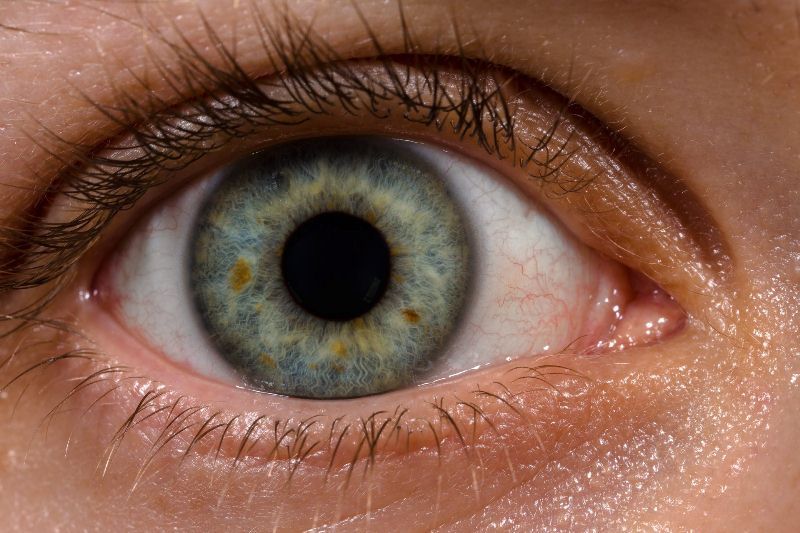
Red eye occurs when the small blood vessels on the surface of the sclera (the white of the eye) become dilated and inflamed. This is often a response to an irritant, allergen, or infection (viral or bacterial). While sometimes minor, persistent redness can be a symptom of conjunctivitis or a more serious underlying issue. Therefore, medical consultation is advised if the condition does not resolve quickly.

Glaucoma

Glaucoma is a group of eye conditions that damage the optic nerve, which is vital for good vision. This damage is often caused by abnormally high pressure inside your eye (intraocular pressure). Furthermore, it is a leading cause of irreversible blindness, making early detection and treatment critical. Risk factors include age (over 50), a family history of glaucoma, and certain medical conditions. Symptoms like severe eye pain, blurred vision, headaches, and halos around lights warrant immediate medical attention.

Cataracts

A cataract is a clouding of the eye’s natural lens, which lies behind the iris and the pupil. This condition is a common cause of vision loss in people over 40 and is a principal cause of blindness worldwide. Initially, cataracts progress slowly, causing symptoms like blurred or dim vision. While prescription glasses can help in the early stages, surgery to replace the clouded lens with an artificial one is the only effective treatment for advanced cataracts.

Optic Neuropathy

This condition involves damage or inflammation of the optic nerve. It can manifest with symptoms such as sudden vision loss, pain with eye movement, flashing lights, or a loss of color vision, typically affecting one eye. Although some cases may resolve without intervention, optic neuropathy can be a sign of a serious underlying medical condition, such as multiple sclerosis. For this reason, a comprehensive medical evaluation is essential.

Phytotherapeutic and Nutritional Support for Ocular Health

While herbal remedies cannot cure eye diseases like glaucoma or cataracts, certain botanicals and nutrients play a well-documented supportive role in maintaining eye health, protecting against oxidative stress, and supporting microcirculation. Crucially, this information is for educational purposes and is not a substitute for professional medical care.

Bilberry (Vaccinium myrtillus) for Retinal Health

Bilberry, a relative of the blueberry, has a long history of traditional use for supporting vision, particularly night vision. Its benefits are primarily attributed to a high concentration of potent antioxidants called anthocyanins.

Research suggests that these compounds may help protect the retina from oxidative damage and improve microcirculation in the tiny blood vessels of the eye. For instance, a study published in the Journal of Nutrition, Health & Aging indicated that anthocyanin supplementation could help improve visual function.

Administration Protocol and Safety Limits

When considering Bilberry extract, it is vital to adhere to established safety guidelines.

Parameter Guideline
Standardized Dose 80-160 mg of standardized extract (containing 25% anthocyanidins) taken 2-3 times daily.
Treatment Duration Typically used for cycles of 4-6 weeks.
Mandatory Break A break of at least 2-4 weeks is recommended between cycles.
Administration Best taken with meals to enhance absorption and minimize potential gastrointestinal upset.

Specific Biological Limitation

Bilberry’s active compounds, anthocyanins, can influence blood platelet function. While this is generally mild, it becomes a significant concern for individuals with bleeding disorders or those taking anticoagulant or antiplatelet medications. The potential for an additive effect could theoretically increase the risk of bruising or bleeding.

Contraindications and Precautions

  • Absolute Contraindications: Individuals with a known allergy to Bilberry or other plants in the Ericaceae family should avoid it.
  • Vulnerable Populations:
    • Pregnancy and Breastfeeding: Due to a lack of sufficient safety data, its use is not recommended during pregnancy or while breastfeeding.
    • Children: Consult a pediatrician before administering Bilberry supplements to children.
  • Major Drug Interactions:
    • Anticoagulants/Antiplatelets (e.g., Warfarin, Aspirin): Bilberry may enhance the effect of these drugs, increasing bleeding risk. Consequently, concurrent use should only occur under strict medical supervision.
    • Diabetes Medications: Bilberry may lower blood sugar levels. Therefore, individuals on antidiabetic drugs should monitor their glucose levels closely to avoid hypoglycemia.

Therapeutic Alternatives

If Bilberry is not suitable, other botanicals offer similar supportive actions:

  1. Grape Seed Extract (Vitis vinifera): Rich in oligomeric proanthocyanidin complexes (OPCs), it provides potent antioxidant and vasoprotective effects, helping to strengthen capillaries in the eye.
  2. Ginkgo Biloba: Known for improving microcirculation, research suggests Ginkgo may enhance ocular blood flow. However, it has significant blood-thinning properties and numerous drug interactions, requiring extreme caution and medical guidance.

Lutein and Zeaxanthin: The Macula’s Natural Shield

Lutein and zeaxanthin are carotenoids found in high concentrations in the macula, the part of the retina responsible for sharp, central vision. They function as a natural filter for high-energy blue light and act as powerful antioxidants. Numerous large-scale studies, including the Age-Related Eye Disease Studies (AREDS/AREDS2), have demonstrated that adequate intake of these nutrients may reduce the risk of developing age-related macular degeneration (AMD) and cataracts. These compounds are not produced by the body and must be obtained from diet or supplements. Excellent dietary sources include leafy green vegetables like spinach and kale, as well as marigold flower extract (*Tagetes erecta*), which is commonly used in supplements.

Recent Medical Research (2020-2026)

Recent scientific inquiry continues to validate the role of specific nutrients in eye health. A 2023 meta-analysis published in Nutrients reaffirmed the strong association between higher dietary intake of lutein and zeaxanthin and a reduced risk of late-stage AMD. Furthermore, ongoing research is exploring the synergistic effects of combining anthocyanins from sources like Bilberry with other ocular nutrients. However, it is important to note that the evidence for herbal interventions is primarily supportive and preventative; they are not cures for established diseases.

Specialist’s Summary

Bilberry is a useful botanical for supporting retinal microcirculation and providing antioxidant protection, with effects typically observed after several weeks of consistent use. However, it is contraindicated for those on blood-thinning medications and during pregnancy. Key nutritional components like Lutein and Zeaxanthin are critical for macular health and are validated by extensive research. Validated alternatives with similar antioxidant benefits include Grape Seed Extract, though each has its own unique safety profile.

Frequently Asked Questions

1. Can herbs like Bilberry cure glaucoma or cataracts?

No. There is no scientific evidence that Bilberry or any other herb can cure glaucoma, cataracts, or other serious eye diseases. These conditions require professional medical diagnosis and treatment. Botanicals may only offer a supportive role in overall eye health.

2. Is it better to get eye nutrients from food or supplements?

A diet rich in colorful fruits and vegetables, especially leafy greens, is the best foundation. However, for individuals with increased risk factors or dietary limitations, supplementation (such as with Lutein, Zeaxanthin, or Bilberry extract) may be recommended by a healthcare provider to achieve therapeutic levels.

3. How long does it take to see benefits from Bilberry supplements?

The effects of Bilberry are not immediate. If benefits are to occur, they typically develop gradually over several weeks to months of consistent use. It is not intended for acute symptom relief.

4. Is Bilberry safe for children or during pregnancy?

No, its use is not recommended. Due to a lack of robust safety studies in these sensitive populations, it is best to avoid Bilberry supplements during pregnancy, while breastfeeding, and in young children unless specifically advised by a qualified healthcare professional.

Sources and References

  • Kalt, W., et al. (2020). Recent Research on the Health Benefits of Blueberries and Their Anthocyanins. Advances in Nutrition.
  • Rasmussen, H. M., & Johnson, E. J. (2023). The Role of Nutrition in the Prevention of Age-Related Macular Degeneration: A Review of the Evidence. Nutrients.
  • World Health Organization (WHO). Monographs on Selected Medicinal Plants.
  • European Medicines Agency (EMA). Community herbal monograph on Vaccinium myrtillus L., fructus.

⚠️ Important Medical Information

This article is for educational and informational purposes only and is not intended as medical advice, diagnosis, or treatment. The information provided about Bilberry and other nutrients is based on traditional use, preliminary research, and available scientific evidence, which may be limited.

Before using any herbal supplement:

  • Consult a qualified healthcare provider, especially if you are pregnant, breastfeeding, taking medications, or have existing health conditions like glaucoma or diabetes.
  • Do not use as a substitute for prescribed medications or professional medical treatment for any eye condition.
  • Individual results may vary – what works for one person may not work for another.
  • Monitor for adverse reactions and discontinue use if negative symptoms occur.


You may also like

Leave a Comment