Garlic and Lemon for Cholesterol: A Traditional Remedy Examined
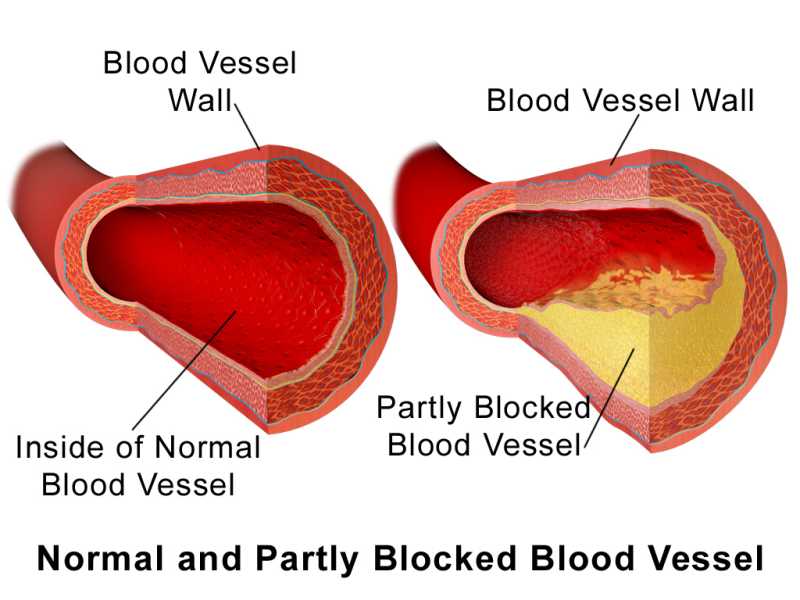
An unhealthy lifestyle, particularly a diet high in saturated fats and a lack of physical activity, can contribute to elevated cholesterol levels. Over time, high levels of low-density lipoprotein (LDL), often called “bad” cholesterol, can lead to the formation of plaque in the arteries (atherosclerosis), increasing the risk of serious cardiovascular events. While conventional medical treatments are essential for managing high cholesterol, some traditional remedies may offer supportive benefits when used correctly and safely.

This article examines a traditional European preparation using garlic and lemon, exploring the scientific evidence behind its ingredients, its potential benefits, and the critical safety protocols required for its use. Importantly, this information is for educational purposes and is not a substitute for professional medical advice or prescribed medication.
The Science Behind Garlic and Lemon for Heart Health
The potential efficacy of this traditional remedy lies in the well-documented properties of its primary ingredients: garlic and lemon.
Garlic (Allium sativum)
Garlic has been used for centuries in traditional medicine for cardiovascular health. Modern research has identified several mechanisms of action. For instance, garlic’s primary active compound, allicin (and its derivatives), is believed to play a significant role. According to a meta-analysis published in Phytomedicine, garlic supplementation has been shown to modestly reduce total cholesterol and LDL cholesterol levels. Furthermore, garlic exhibits mild antihypertensive (blood pressure-lowering) and antiplatelet (blood-thinning) effects, which may contribute to overall cardiovascular protection.
Lemon (Citrus limon)
Lemons are rich in Vitamin C and citrus flavonoids, such as hesperidin and diosmin. These compounds are powerful antioxidants. Indeed, oxidative stress is a key factor in the development of atherosclerosis, as it promotes the oxidation of LDL cholesterol, a critical step in plaque formation. Research suggests that the antioxidants in citrus fruits can help protect blood vessels from oxidative damage and support endothelial function, which is the health of the inner lining of blood vessels.
Traditional Preparation Method
This recipe is a folk preparation. Therefore, its use must be approached with caution and a clear understanding of safe dosage limits.
Ingredients:
- 4 medium-sized organic lemons (unwaxed)
- 4 whole garlic bulbs (approximately 40-50 cloves)
- 3 liters (approx. 100 ounces) of purified or distilled water
Instructions:
- Prepare the Garlic: First, separate the garlic cloves from the bulbs and peel them.
- Prepare the Lemons: Thoroughly wash the lemons. Since the rind is used, it is crucial to use organic, unwaxed lemons. Chop them into small pieces, removing the seeds.
- Blend: Place the peeled garlic cloves and chopped lemons into a high-powered blender. Blend until you achieve a smooth, purée-like consistency.
- Combine and Heat: Transfer the mixture to a large pot, add the 3 liters of water, and stir well. Slowly bring the mixture to a near-boil over medium heat, but do not allow it to boil fully, as this can destroy some of the active compounds. Remove from heat just as the first bubbles appear.
- Cool and Strain: Allow the liquid to cool completely. Afterwards, strain it through a fine-mesh sieve or cheesecloth into clean glass jars or bottles.
- Store: Seal the containers and store the liquid in the refrigerator.
Administration Protocol and Safety Limits
Adherence to a strict protocol is essential to minimize risks and ensure responsible use. This is not a remedy for continuous, long-term consumption.
| Protocol | Guideline |
|---|---|
| Maximum Daily Dose | 50 ml (approximately 3 tablespoons) per day for a healthy adult. Start with a smaller dose (1 tablespoon) to assess tolerance. |
| Frequency | Take once daily, or divided into two smaller doses. |
| Timing | Consume after a meal to minimize the risk of gastric irritation from the garlic and lemon acidity. |
| Treatment Duration | Maximum of 30-40 days. |
| Mandatory Break | A minimum break of 14 days is required before considering another cycle. It is recommended to perform this cycle only once or twice per year. |
Overdose Risk: Exceeding the recommended dose can significantly increase the risk of adverse effects, such as severe heartburn, gastrointestinal distress, and an excessive blood-thinning effect.
Specific Biological Limitation
The primary biological limitation of this remedy relates to garlic’s effect on blood coagulation. Garlic contains sulfur compounds, such as ajoene, which inhibit platelet aggregation. This is the process by which blood cells clump together to form clots. While this antiplatelet effect can be beneficial for reducing the risk of unwanted clots, it becomes dangerous for individuals with bleeding disorders or those taking anticoagulant or antiplatelet medications, as it can potentiate the risk of uncontrolled bleeding.
Contraindications and Precautions
This preparation is not suitable for everyone. It is crucial to review the following contraindications before use.
Absolute Contraindications (Do Not Use):
- Bleeding Disorders: Individuals with conditions like hemophilia should avoid this remedy.
- Upcoming Surgery: Discontinue use at least two weeks before any scheduled surgery to prevent excessive bleeding.
- Allergies: Do not use if you have a known allergy to garlic, lemon, or other members of the lily family.
- Active Stomach Ulcers or Severe GERD: The acidity and compounds in garlic can severely irritate the gastric lining.
Vulnerable Populations:
- Pregnancy and Breastfeeding: There is insufficient safety data. Therefore, its use is not recommended.
- Children: The safety and appropriate dosage have not been established for children. Avoid use.
Major Drug Interactions:
Garlic can interact with several classes of medications. Consequently, you must consult your healthcare provider if you take any of the following:
- Anticoagulants (e.g., Warfarin) and Antiplatelets (e.g., Aspirin, Clopidogrel): Increases the risk of bleeding.
- Antihypertensive Drugs: May enhance the effect of blood pressure-lowering medications, potentially causing hypotension.
- Certain HIV Medications (e.g., Saquinavir): Garlic can reduce the effectiveness of these drugs.
Therapeutic Alternatives
If this garlic and lemon preparation is not suitable for you, other evidence-based botanical and lifestyle options may help support healthy cholesterol levels.
- Artichoke Leaf Extract (Cynara scolymus): Studies indicate that artichoke leaf extract can help lower LDL cholesterol by inhibiting its synthesis in the liver and promoting its conversion into bile acids. This offers a different mechanism of action and is generally well-tolerated.
- Psyllium Husk: This is a form of soluble fiber that binds to cholesterol and bile acids in the digestive tract, helping to remove them from the body. As a result, the liver must pull more cholesterol from the bloodstream to produce new bile acids, effectively lowering blood cholesterol levels.
- Bergamot (Citrus bergamia): Bergamot extract, particularly from the fruit’s peel, contains unique flavonoids that have been shown in clinical studies to help lower LDL cholesterol and triglycerides while also potentially raising HDL (“good”) cholesterol.
Recent Medical Research (2020-2026)
Recent research continues to validate the cardiovascular benefits of garlic. A 2022 meta-analysis in the International Journal of Clinical Practice confirmed that garlic supplementation significantly improves blood lipid profiles and blood pressure. Similarly, studies on citrus flavonoids consistently highlight their antioxidant and anti-inflammatory properties, which are crucial for vascular health. However, it is important to note that most research uses standardized extracts (like aged garlic extract) rather than homemade preparations, where potency can vary significantly. The evidence supports the ingredients, but not this specific folk recipe or its “40-day cleanse” claim.
Specialist’s Summary
The traditional garlic and lemon preparation may offer modest supportive benefits for cardiovascular health, primarily due to garlic’s lipid-lowering and antiplatelet properties and lemon’s antioxidant content. However, it is not a cure and carries significant risks, especially for individuals on blood-thinning medications or with bleeding disorders. Its use requires strict adherence to dosage and duration limits. Validated alternatives like artichoke leaf extract or psyllium husk may be safer and more reliable options for many individuals.
Frequently Asked Questions
1. Can this remedy replace my cholesterol medication?
Absolutely not. This preparation is not a substitute for prescribed medications like statins. You should never stop or alter your medication without consulting your cardiologist or primary care physician.
2. How long will it take to see results?
Any potential changes in cholesterol levels would be modest and would only occur over several weeks in conjunction with a healthy diet and exercise. This is not a rapid or guaranteed solution.
3. Can I take this if I have high blood pressure?
Because garlic has a mild blood pressure-lowering effect, you must consult your doctor before using this remedy if you are already taking antihypertensive medication. Combining them could potentially lower your blood pressure too much.
4. Is this remedy safe for children, during pregnancy, or while breastfeeding?
No. The safety of this preparation has not been established in these vulnerable populations. Its use is contraindicated due to potential risks and a lack of reliable data.
Sources and References
- Sun, Y. E., Wang, W., Qin, J. (2022). The effects of garlic on the blood lipid profile and blood pressure in patients with coronary artery disease: A network meta-analysis. International Journal of Clinical Practice.
- Xiong, X. Q., et al. (2021). The effects of citrus flavonoids on cardiovascular health. Critical Reviews in Food Science and Nutrition.
- World Health Organization (WHO). (1999). WHO Monographs on Selected Medicinal Plants – Volume 1: Bulbus Allii Sativi.
⚠️ Important Medical Information
This article is for educational and informational purposes only and is not intended as medical advice, diagnosis, or treatment. The information provided about this garlic and lemon preparation is based on traditional use and available scientific evidence on its ingredients, which may be limited for this specific recipe.
Before using this remedy:
- Consult a qualified healthcare provider, especially if you are pregnant, breastfeeding, taking medications (particularly blood thinners or blood pressure drugs), or have existing health conditions like GERD or bleeding disorders.
- Do not use as a substitute for prescribed medications or professional medical treatment for high cholesterol.
- Individual results may vary – what works for one person may not work for another and could cause harm.
- Monitor for adverse reactions such as heartburn, stomach upset, or signs of increased bleeding, and discontinue use if negative symptoms occur.