Chia Seeds for Digestive Health: Benefits and Safe Use
Historically cultivated by Aztec and Mayan civilizations for their remarkable nutritional properties, chia seeds (Salvia hispanica) have gained significant attention in modern nutrition. Valued for their rich fiber, healthy fats, and mineral content, these tiny seeds offer a range of potential health benefits when incorporated correctly into a balanced diet. However, understanding their proper use and safety limitations is crucial for maximizing their advantages.
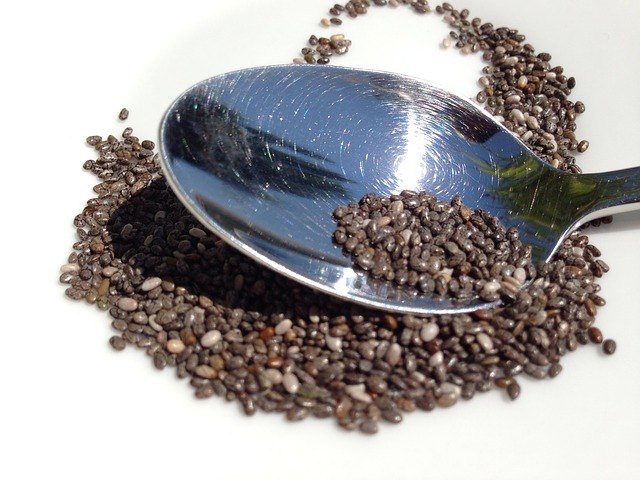
This article provides an evidence-based overview of the health benefits of chia seeds, focusing on their mechanisms of action, safe administration protocols, and potential contraindications, in line with current scientific understanding.
Key Health Benefits of Chia Seeds
The primary therapeutic interest in chia seeds stems from their unique nutritional composition, particularly their high content of dietary fiber and omega-3 fatty acids.
1. Supports Digestive Regularity and Gut Health
Chia seeds are an exceptional source of dietary fiber, containing approximately 10 grams per two-tablespoon serving. This fiber is predominantly soluble, which forms a viscous, gel-like substance when mixed with water. Consequently, this gel adds bulk to stool, which may help prevent constipation and promote bowel regularity. Furthermore, this soluble fiber acts as a prebiotic, feeding beneficial bacteria in the gut. According to a 2021 review in the journal Foods, a healthy gut microbiome is essential for proper digestion, immune function, and overall health.
2. Rich Source of Plant-Based Omega-3 Fatty Acids
Chia seeds are one of the richest plant sources of alpha-linolenic acid (ALA), a type of omega-3 fatty acid. Omega-3s are crucial for cardiovascular health. For instance, research published in The Journal of Nutrition suggests that ALA may help reduce markers of inflammation and support healthy cholesterol levels. It is important to note, however, that the body’s conversion of ALA to the more potent forms of omega-3s, EPA and DHA (found in fatty fish), is limited. Therefore, while beneficial, chia seeds should not be the sole source of omega-3s in the diet.
3. May Aid in Blood Sugar Regulation
The soluble fiber in chia seeds plays a significant role in metabolic health. When consumed with a meal, the gel formed by the seeds can slow the digestion and absorption of carbohydrates. This action helps to moderate the rise in blood sugar levels after eating, preventing sharp spikes and crashes. This effect makes chia seeds a potentially useful dietary addition for individuals looking to manage blood glucose levels, as supported by studies on metabolic syndrome.
4. High Mineral and Antioxidant Content
Beyond fiber and fats, chia seeds are a concentrated source of essential minerals. They provide significant amounts of calcium, phosphorus, and manganese, all of which are vital for bone health and metabolic function. Additionally, they contain antioxidants like quercetin and kaempferol, which help protect the body’s cells from damage caused by free radicals.
| Nutrient (per 2 tbsp / ~28g) | Approximate Amount | % of Daily Value (DV) |
|---|---|---|
| Fiber | 10 g | ~36% |
| Calcium | 179 mg | ~14% |
| Manganese | 0.6 mg | ~26% |
| Phosphorus | 244 mg | ~20% |
Administration Protocol and Safety Limits
To safely incorporate chia seeds into your diet, it is essential to follow specific guidelines regarding preparation and dosage.
Dosage and Frequency
- Standard Daily Dose: 1 to 2 tablespoons (approximately 15-30 grams) per day for a healthy adult.
- Starting Dose: If you are new to high-fiber foods, begin with 1 teaspoon per day and gradually increase your intake over a week to allow your digestive system to adapt.
- Maximum Daily Dose: It is generally advised not to exceed 4 tablespoons (60 grams) per day to avoid potential digestive distress.
Preparation and Hydration
- Mandatory Soaking: Always mix chia seeds with liquid before consumption. A common ratio is 1 part chia seeds to 10 parts liquid (e.g., 1 tablespoon of seeds in 10 tablespoons of water, milk, or juice). Allow them to soak for at least 15-20 minutes, or until a thick gel forms.
- Hydration Requirement: Due to their high fiber content, ensure you drink plenty of water throughout the day when consuming chia seeds to support proper digestion and prevent dehydration or constipation.
Specific Biological Limitation
Hydrophilic Nature and Choking Hazard: Chia seeds are highly hydrophilic, meaning they can absorb up to 12 times their weight in liquid. This property is responsible for the gel formation that aids digestion. However, this also presents a significant safety risk. If consumed dry followed by liquid, or without enough liquid, the seeds can expand in the esophagus, potentially causing a blockage. This is a rare but serious medical emergency. Therefore, never consume dry chia seeds on their own.
Contraindications and Precautions
While generally safe for most people, chia seeds are not suitable for everyone.
Absolute Contraindications
- Difficulty Swallowing (Dysphagia): Individuals with a history of dysphagia or esophageal strictures should avoid chia seeds due to the high risk of obstruction.
- Known Allergy: Although rare, allergies to chia seeds can occur, especially in individuals with existing allergies to other seeds or nuts like sesame or mustard seeds.
Vulnerable Populations
- Children: Introduce chia seeds in small, well-hydrated amounts (e.g., in puddings or smoothies) to minimize choking risk. Start with no more than 1 teaspoon per day for young children.
- Individuals with Digestive Conditions: Those with inflammatory bowel disease (IBD) like Crohn’s or ulcerative colitis should consult a healthcare provider, as high fiber intake can exacerbate symptoms during a flare-up.
Major Drug Interactions
- Antihypertensive (Blood Pressure) Medications: Chia seeds may lower blood pressure. Combining them with blood pressure medication could potentially lead to hypotension (abnormally low blood pressure). Monitor your blood pressure closely if you use both.
- Antidiabetic Medications: Due to their ability to lower blood sugar, chia seeds may enhance the effect of insulin or other diabetes drugs, increasing the risk of hypoglycemia. Consult your doctor to determine if medication adjustments are needed.
- Anticoagulants (Blood Thinners): The high omega-3 content in chia seeds can have a mild blood-thinning effect. Consequently, combining them with medications like warfarin or aspirin may increase the risk of bleeding.
Documented Adverse Effects
- Common: Bloating, gas, and abdominal discomfort, especially when first introduced or consumed in large quantities without adequate fluid.
- When to Stop Immediately: Discontinue use and seek medical advice if you experience severe abdominal pain, difficulty swallowing, or signs of an allergic reaction (hives, swelling, difficulty breathing).
Therapeutic Alternatives
If chia seeds are not suitable for you, other botanicals offer similar nutritional benefits.
- Flaxseeds (Linum usitatissimum): Similar to chia, flaxseeds are rich in ALA omega-3s and soluble fiber. However, they must be ground before consumption to make their nutrients bioavailable. They are also a rich source of lignans, which have antioxidant properties.
- Hemp Seeds (Cannabis sativa): An excellent source of complete protein and healthy fats, including omega-6 and omega-3 fatty acids in a beneficial ratio. They are lower in fiber than chia but offer more protein.
- Psyllium Husk (Plantago ovata): A concentrated source of soluble fiber that is highly effective for promoting bowel regularity. It does not provide the omega-3s, protein, or minerals found in chia seeds but is a powerful tool for digestive health alone.
Recent Medical Research (2020-2026)
Modern research continues to explore the health impacts of chia seeds. A 2023 systematic review published in Nutrients analyzed multiple clinical trials and concluded that chia seed consumption is associated with significant improvements in systolic and diastolic blood pressure. Furthermore, a 2021 study in the journal Foods highlighted the prebiotic potential of chia seed fiber, confirming its role in supporting a healthy gut microbiota. However, researchers note that more large-scale human trials are needed to confirm its effects on weight management and long-term cardiovascular outcomes.
Specialist’s Summary
Chia seeds (Salvia hispanica) are primarily useful for supporting digestive regularity and increasing intake of plant-based omega-3s, with moderate effects that appear with consistent use. They are contraindicated for individuals with swallowing difficulties and require careful use with blood pressure, diabetes, and anticoagulant medications. Validated alternatives with distinct nutritional profiles include ground flaxseeds, hemp seeds, and psyllium husk.
Frequently Asked Questions
Do I have to soak chia seeds before eating them?
Yes, it is strongly recommended. Soaking chia seeds in liquid for at least 15-20 minutes allows them to form a gel, which makes them easier to digest and eliminates the potential choking hazard associated with consuming them dry.
Can chia seeds help with weight loss?
The high fiber and protein content of chia seeds can increase feelings of fullness (satiety), which may help reduce overall calorie intake. However, scientific evidence for significant weight loss is limited. Chia seeds should be considered part of a balanced diet and healthy lifestyle, not a standalone weight-loss solution.
What is the best way to add chia seeds to my diet?
You can easily add pre-soaked chia seeds or chia gel to smoothies, yogurt, oatmeal, and salads. They can also be used to make chia pudding or as an egg substitute in baking by mixing one tablespoon of ground chia seeds with three tablespoons of water.
Sources and References
- Teoh, S. L., et al. (2023). The Effect of Chia Seed (Salvia hispanica L.) on Cardiovascular Health: A Systematic Review and Meta-Analysis of Randomized Controlled Trials. Nutrients, 15(2), 405. https://doi.org/10.3390/nu15020405
- Leite, B. R., et al. (2021). The Prebiotic Effect of Chia (Salvia hispanica L.) and Its Impact on the Gut Microbiota. Foods, 10(8), 1705. https://doi.org/10.3390/foods10081705
- Nieman, D. C., et al. (2012). Chia seed supplementation and disease risk factors in overweight women: a metabolomics investigation. The Journal of Alternative and Complementary Medicine, 18(7), 700-708.
⚠️ Important Medical Information
This article is for educational and informational purposes only and is not intended as medical advice, diagnosis, or treatment. The information provided about Chia Seeds is based on traditional use, preliminary research, and available scientific evidence, which may be limited.
Before using Chia Seeds:
- Consult a qualified healthcare provider, especially if you are pregnant, breastfeeding, taking medications, or have existing health conditions like dysphagia or IBD.
- Do not use as a substitute for prescribed medications or professional medical treatment.
- Individual results may vary – what works for one person may not work for another.
- Monitor for adverse reactions and discontinue use if negative symptoms occur.
Regulatory status: Chia Seeds are considered a food product and dietary supplement and have not been evaluated by the FDA for treating, curing, or preventing any disease.




1 comentariu