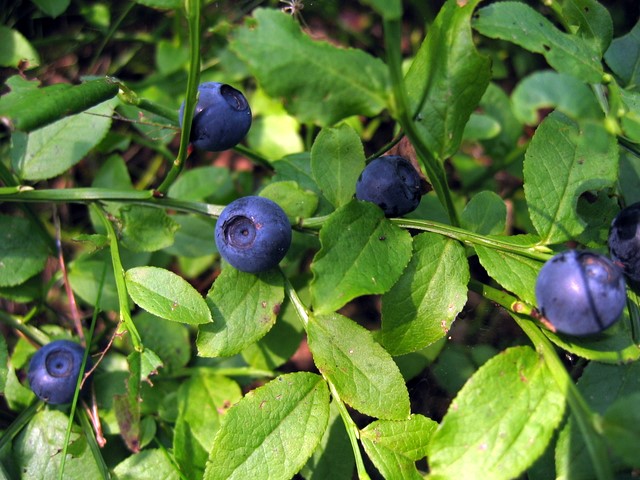
Bilberry (Vaccinium myrtillus), a fruit rich in tradition and scientific interest, has long been valued in European folk medicine, particularly for vision and circulatory health. More recently, a growing body of research has focused on its potential role in supporting brain health, improving cognitive function, and promoting healthy brain aging. These effects are largely attributed to its dense concentration of powerful antioxidant compounds.
This article provides an evidence-based overview of how bilberry may support cognitive wellness, based on scientific studies and traditional use, while emphasizing clear safety protocols for its use.

How Bilberries May Support Brain Health
The primary active constituents in bilberries responsible for their neuroprotective potential are a class of flavonoids called anthocyanins. These are the pigments that give bilberries their deep blue-purple color. Furthermore, research suggests these compounds work through several mechanisms:
- Antioxidant Action: The brain is highly susceptible to oxidative stress, a process linked to age-related cognitive decline and neurodegenerative diseases. Anthocyanins are potent antioxidants that can cross the blood-brain barrier, helping to neutralize harmful free radicals directly within brain tissue.
- Anti-inflammatory Effects: Chronic neuroinflammation is a key factor in cognitive impairment. Studies indicate that bilberry anthocyanins can modulate inflammatory pathways in the brain, potentially reducing damage to neurons.
- Improved Cerebral Blood Flow: According to research published in journals like the British Journal of Nutrition, flavonoids from berries may enhance blood flow to the brain. Consequently, this improved circulation delivers more oxygen and nutrients to brain cells, supporting optimal function and neuronal health.
- Enhanced Neuronal Communication: Some preliminary studies suggest that bilberry extracts may influence cell signaling pathways involved in memory and learning, a process known as synaptic plasticity.
Indeed, the combination of these effects suggests a multifaceted approach to protecting the brain from age-related changes.
Evidence from Clinical Research
While much of the initial research was conducted in laboratory or animal models, human clinical trials have provided promising, albeit preliminary, evidence.
For instance, a study involving older adults with early memory changes found that daily consumption of bilberry juice over 12 weeks was associated with improvements in paired associate learning and word list recall. Additionally, participants showed a trend toward reduced depressive symptoms.
Another study from 2012, conducted by researchers at Brigham and Women’s Hospital, analyzed data from a large cohort of older women. The findings, published in the Annals of Neurology, showed that a higher long-term intake of berries, including bilberries and strawberries, was associated with a slower rate of cognitive decline, equivalent to up to 2.5 years of delayed cognitive aging.
However, it is important to note that many studies are small, and more large-scale, long-term research is needed to confirm these findings and establish definitive therapeutic guidelines.
Administration Protocol and Safety Limits
For consistent therapeutic effects, standardized extracts are typically used in clinical settings. It is crucial to follow a structured protocol to ensure both safety and efficacy.
| Parameter | Guideline |
|---|---|
| Standardized Extract | Look for extracts standardized to contain 25% anthocyanosides. |
| Maximum Daily Dose | 160–480 mg of standardized extract per day for a healthy adult. |
| Frequency | Typically divided into two or three doses throughout the day. |
| Treatment Duration | Up to 12 weeks, consistent with clinical study durations. |
| Mandatory Break | A break of at least 2-4 weeks is recommended between treatment cycles. |
| Administration Condition | Best taken with meals to minimize potential gastrointestinal upset. |
Overdose Risk: While bilberry is generally safe, consuming excessively high doses of concentrated extracts may theoretically increase the risk of bleeding, especially in susceptible individuals. Always adhere to the recommended dosage on product labels or as advised by a healthcare provider.
Specific Biological Limitation
Potential Antiplatelet Effect: Bilberry contains anthocyanins and other compounds that may have a mild blood-thinning (antiplatelet) effect. This action involves inhibiting the aggregation of platelets, which is the first step in blood clot formation. While this can be beneficial for cardiovascular health, it becomes a significant risk for individuals with bleeding disorders or those taking anticoagulant or antiplatelet medications, as it can potentiate the drug’s effect and increase the risk of uncontrolled bleeding or bruising.
Contraindications and Precautions
Before incorporating bilberry supplements into your routine, it is essential to be aware of the following contraindications and potential interactions.
Absolute Contraindications
- Bleeding Disorders: Individuals with conditions like hemophilia or von Willebrand disease should avoid bilberry supplements due to the potential antiplatelet effect.
- Upcoming Surgery: Discontinue use of bilberry supplements at least two weeks before any scheduled surgery to reduce the risk of excessive bleeding.
Vulnerable Populations
- Pregnancy and Breastfeeding: There is insufficient reliable data on the safety of bilberry supplements during pregnancy or lactation. Therefore, it is best to avoid use.
- Children: The safety of concentrated bilberry extracts has not been established in children. Consult a pediatrician before use.
Major Drug Interactions
- Anticoagulant/Antiplatelet Drugs: Combining bilberry with medications like warfarin (Coumadin®), clopidogrel (Plavix®), or aspirin can significantly increase the risk of bleeding.
- Antidiabetic Medications: Bilberry may lower blood sugar levels. Consequently, taking it alongside diabetes medications (e.g., metformin, insulin) could lead to hypoglycemia (dangerously low blood sugar). Monitor blood glucose levels closely if used concurrently.
Documented Adverse Effects
Bilberry is generally well-tolerated. When side effects occur, they are typically mild and may include minor digestive upset or headache.
Therapeutic Alternatives
If bilberry is not a suitable option, other botanicals and lifestyle approaches may support cognitive health. Always consult a healthcare provider to determine the best choice for your needs.
- Ginkgo biloba: One of the most studied herbs for cognitive function, Ginkgo is known for improving cerebral blood flow and has antioxidant properties. It is often used to support memory and concentration, particularly in older adults.
- Bacopa monnieri (Brahmi): A staple in Ayurvedic medicine, Bacopa has been shown in clinical trials to enhance memory, learning rate, and information processing. Its mechanism involves modulating neurotransmitter systems.
- Rosemary (Rosmarinus officinalis): Traditionally associated with memory, rosemary contains compounds like carnosic acid that have demonstrated neuroprotective effects in laboratory studies. It can be used as a culinary herb, essential oil for aromatherapy, or as a tea.
Note: Each of these alternatives has its own set of contraindications and potential drug interactions.
Recent Medical Research (2020-2026)
Modern research continues to explore the nuances of bilberry’s effects on the brain. Recent studies have focused on more specific mechanisms and outcomes.
- A 2022 systematic review published in Nutritional Neuroscience analyzed multiple studies on anthocyanin-rich berries. The authors concluded that there is consistent evidence supporting their role in improving cognitive performance, particularly in tasks related to memory and executive function.
- Research is also investigating the impact of bilberry metabolites on the gut-brain axis. A 2023 study in the journal Antioxidants suggested that the interaction between gut microbiota and bilberry polyphenols produces secondary compounds that may exert neuroprotective effects.
Current Limitations: Despite promising results, a key limitation is the variability in study design, dosage, and the specific type of bilberry extract used. More standardized, long-term human trials are necessary to establish clear clinical recommendations for preventing or managing cognitive decline.
Specialist’s Summary
Bilberry (Vaccinium myrtillus) is a promising botanical for supporting cognitive function and healthy brain aging, primarily due to its high concentration of anthocyanin antioxidants. Evidence suggests modest benefits for memory and executive function, which typically appear after several weeks of consistent use. However, it is contraindicated for individuals with bleeding disorders or before surgery and requires caution when used with anticoagulant and antidiabetic medications. Validated alternatives with different mechanisms of action include Ginkgo biloba and Bacopa monnieri.
Frequently Asked Questions
1. Can eating fresh bilberries provide the same benefits as an extract?
Eating fresh or frozen bilberries is highly beneficial for overall health due to their fiber, vitamins, and antioxidants. However, to achieve the specific doses of anthocyanins used in most clinical studies for cognitive benefits, you would need to consume a very large quantity of berries daily. For a targeted therapeutic effect, standardized extracts offer a more concentrated and consistent dose.
2. How long does it take to see cognitive improvements with bilberry?
Based on clinical trials, noticeable improvements in cognitive function, such as memory recall, may take between 3 to 12 weeks of consistent daily supplementation. The effects are not immediate and depend on factors like age, baseline cognitive status, and dosage.
3. Is bilberry the same as blueberry?
No, they are different species. Bilberry (Vaccinium myrtillus) is a wild European berry that is smaller, darker, and has pigmented flesh throughout. The common blueberry (Vaccinium corymbosum) is native to North America, is larger, and has pale green flesh. While both contain anthocyanins, bilberries typically have a higher concentration.
4. Is bilberry safe for children or during pregnancy?
No, the use of concentrated bilberry supplements is not recommended for children, during pregnancy, or while breastfeeding due to a lack of sufficient safety data in these populations. The potential effects on fetal development and infants are unknown.
Sources and References
Recent Studies (2020-2026):
- Haskell-Ramsay, C. F., et al. (2022). The effect of anthocyanin-rich berries on cognitive performance: A systematic review of randomized controlled trials. Nutritional Neuroscience.
- Laverve, A., et al. (2023). Gut Microbiota, Polyphenols, and Neuroprotection: A Review of the Current Evidence. Antioxidants.
Official Monographs & Foundational Research:
- European Medicines Agency (EMA). (2015). Community herbal monograph on Vaccinium myrtillus L., fructus recens and fructus siccus.
- Devore, E. E., et al. (2012). Dietary intakes of berries and flavonoids in relation to cognitive decline. Annals of Neurology, 72(1), 135-143.
⚠️ Important Medical Information
This article is for educational and informational purposes only and is not intended as medical advice, diagnosis, or treatment. The information provided about Bilberry is based on traditional use, preliminary research, and available scientific evidence, which may be limited.
Before using Bilberry:
- Consult a qualified healthcare provider, especially if you are pregnant, breastfeeding, taking medications, or have existing health conditions like diabetes or bleeding disorders.
- Do not use as a substitute for prescribed medications or professional medical treatment for cognitive decline or any other condition.
- Individual results may vary – what works for one person may not work for another.
- Monitor for adverse reactions and discontinue use if negative symptoms occur.
1 comment
Howdy I am so delighted I found your website, I really found you by accident, while I was looking on Bing for something else, Regardless I am here now and would just like to say thanks for a incredible post and a all round thrilling blog (I also love the theme/design), I don’t have time to read it all at the minute but I have book-marked it and also added in your RSS feeds, so when I have time I will be back to read a lot more, Please do keep up the superb jo.