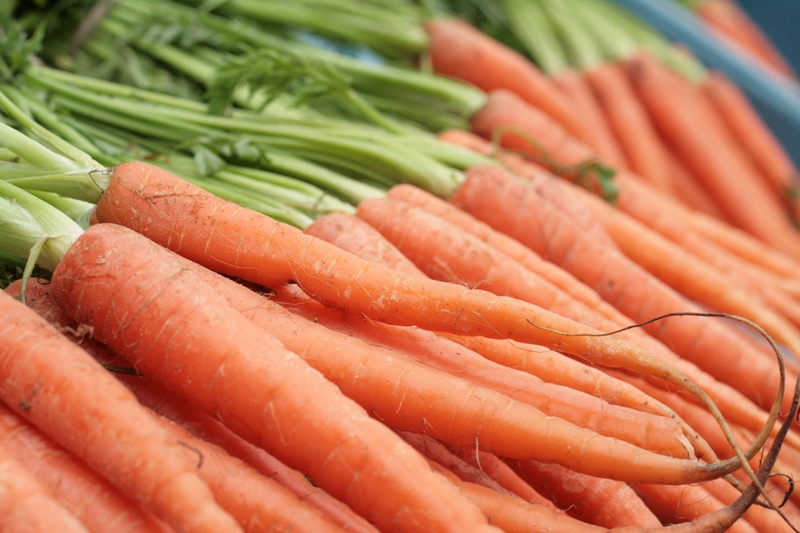
Beta-carotene is a prominent member of the carotenoid family, a group of natural pigments responsible for the vibrant red, orange, and yellow colors in many fruits and vegetables. Scientifically known as a provitamin A carotenoid, your body can convert it into vitamin A (retinol), an essential nutrient for vision, immune function, and cellular health. Furthermore, beta-carotene functions as a powerful antioxidant, helping to neutralize unstable molecules called free radicals that can cause cellular damage.

However, because vitamin A is fat-soluble, the body stores any excess amounts, primarily in the liver. Consequently, while obtaining beta-carotene from food is generally safe, high-dose supplementation can lead to an accumulation that may become toxic. Understanding the correct balance is therefore essential for harnessing its benefits without incurring risks.
Key Health Benefits of Beta-Carotene
Research has identified several areas where beta-carotene provides significant health support. Its dual role as a vitamin A precursor and an antioxidant drives these effects.
1. Supports Vision and Eye Health
Beta-carotene’s most well-known benefit is its crucial role in maintaining healthy vision. Once converted to vitamin A, it becomes a key component of rhodopsin, a protein in the eye that absorbs light in the retinal receptors. Adequate levels are essential for good low-light vision and protecting against age-related decline. For instance, several large-scale studies, including the Age-Related Eye Disease Study (AREDS), have shown that antioxidant formulas containing beta-carotene may help slow the progression of age-related macular degeneration (AMD).
2. Enhances Immune System Function
A robust immune system relies on sufficient vitamin A, which beta-carotene helps provide. Vitamin A is vital for maintaining the integrity of mucosal barriers in the eyes, lungs, and gut, which are the body’s first line of defense against pathogens. Additionally, studies indicate that beta-carotene enhances immune response by stimulating the activity of lymphocytes and natural killer cells, which are critical for fighting infections.
3. Promotes Skin Health and Protection
As an antioxidant, beta-carotene helps protect the skin from damage caused by ultraviolet (UV) radiation and environmental pollutants. While it is not a substitute for sunscreen, research suggests that consistent dietary intake of beta-carotene can increase the skin’s baseline defense against sunburn. Its antioxidant action helps neutralize free radicals generated by sun exposure, potentially reducing signs of premature aging.
Rich Dietary Sources of Beta-Carotene
The safest and most effective way to increase your beta-carotene intake is through a balanced diet. You can find it in a wide variety of colorful fruits and vegetables. Notably, cooking and lightly steaming vegetables with a small amount of healthy fat (like olive oil) can enhance the absorption of beta-carotene.
| Category | Excellent Sources |
|---|---|
| Orange & Yellow Vegetables | Carrots, sweet potatoes, pumpkin, butternut squash, sweet red bell peppers |
| Orange & Yellow Fruits | Cantaloupe, mangoes, papayas, apricots, peaches |
| Dark Leafy Greens | Spinach, kale, collard greens, romaine lettuce, broccoli |
| Herbs & Spices | Paprika, cayenne pepper, chili powder, dried oregano, parsley |
Administration Protocol and Safety Limits
While dietary beta-carotene is safe, supplementation requires strict adherence to safety protocols to avoid adverse effects.
- Primary Source: Your primary intake should always come from whole foods. The body regulates the conversion of dietary beta-carotene to vitamin A, reducing the risk of toxicity.
- Supplementation Duration: High-dose beta-carotene supplementation is not recommended for long-term general use. It should only be used for specific, diagnosed deficiencies under the guidance of a healthcare provider for a limited duration, typically not exceeding a few months.
- Maximum Dose: There is no established Recommended Dietary Allowance (RDA) for beta-carotene itself. However, the RDA for vitamin A is 900 mcg RAE (Retinol Activity Equivalents) for adult men and 700 mcg RAE for adult women. The Tolerable Upper Intake Level (UL) for preformed vitamin A (from supplements and animal sources) is 3,000 mcg RAE. High-dose beta-carotene supplements (e.g., 15-30 mg) should be avoided without medical supervision.
- Administration Condition: Take beta-carotene supplements with a meal containing healthy fats to improve absorption.
Specific Biological Limitation
Increased Lung Cancer Risk in Smokers: The most significant and well-documented risk associated with beta-carotene involves high-dose supplementation in specific populations. Two landmark clinical trials, the Alpha-Tocopherol, Beta-Carotene (ATBC) Cancer Prevention Study and the Carotene and Retinol Efficacy Trial (CARET), found that high-dose beta-carotene supplements (20-30 mg per day) significantly increased the risk of lung cancer and mortality in current smokers and individuals with a history of asbestos exposure. The exact mechanism is still under investigation, but it is thought that in the pro-oxidant environment of a smoker’s lungs, high levels of beta-carotene may act as a pro-oxidant, promoting rather than preventing cellular damage.
Contraindications and Precautions
It is crucial to be aware of who should avoid beta-carotene supplements and potential adverse effects.
Absolute Contraindications (FORBIDDEN for Supplements)
- Smokers and Recent Ex-Smokers: Due to the increased risk of lung cancer, these individuals must avoid high-dose beta-carotene supplements.
- Asbestos Exposure: Individuals with a history of significant asbestos exposure face similar risks and should also avoid supplementation.
Vulnerable Populations
- Pregnancy and Breastfeeding: While dietary beta-carotene is essential, high-dose supplements are not recommended due to the risk of vitamin A toxicity, which can cause birth defects.
- Children: Supplements should only be given to children under medical supervision.
Documented Adverse Effects
- Carotenodermia: The most common side effect of high intake is a harmless condition where the skin turns yellow-orange, particularly on the palms and soles. This condition is reversible upon reducing intake.
- Hypervitaminosis A (Vitamin A Toxicity): Though rare from beta-carotene, extremely high and prolonged supplement intake can theoretically lead to vitamin A toxicity, causing symptoms like dizziness, nausea, headaches, and, in severe cases, liver damage.
Therapeutic Alternatives
If beta-carotene supplements are not suitable for you, other natural compounds offer similar benefits for vision and antioxidant support.
- Lutein and Zeaxanthin: These two carotenoids are concentrated in the macula of the eye and are not converted to vitamin A. They filter harmful blue light and act as powerful antioxidants. Excellent sources include kale, spinach, and corn. They are considered a safer alternative for smokers needing eye support.
- Astaxanthin: A potent antioxidant carotenoid found in microalgae, salmon, and shrimp. Research suggests it has strong anti-inflammatory properties and may support eye, skin, and cardiovascular health without the risks associated with beta-carotene supplements.
- Bilberry (Vaccinium myrtillus): Traditionally used for eye health, bilberry is rich in anthocyanosides, which may help improve night vision and support retinal health by strengthening blood vessels in the eyes.
Recent Medical Research (2020-2026)
Modern research continues to explore the nuanced roles of beta-carotene. A 2021 review published in the journal Nutrients reaffirmed the importance of dietary carotenoids, including beta-carotene, in reducing the risk of chronic diseases like AMD and certain cancers, emphasizing the superiority of food sources over isolated supplements. Furthermore, emerging research is investigating the link between dietary carotenoid levels and cognitive function, with some studies suggesting a protective role against age-related cognitive decline. However, more robust clinical trials are needed to confirm these findings.
Specialist’s Summary
Beta-carotene is a vital nutrient best obtained from a diet rich in colorful fruits and vegetables, where it effectively supports vision, immunity, and skin health. High-dose supplementation is unnecessary for most people and is strictly contraindicated for smokers and those with asbestos exposure due to a documented increased risk of lung cancer. For targeted eye health support, alternatives like lutein, zeaxanthin, and astaxanthin offer potent antioxidant benefits without the associated risks.
Frequently Asked Questions
1. Can you get too much beta-carotene from food?
It is virtually impossible to reach toxic levels of vitamin A from eating foods rich in beta-carotene. The body intelligently regulates the conversion process. The most likely side effect from consuming very large quantities of foods like carrots or sweet potatoes is carotenodermia, a harmless yellowing of the skin that resolves when intake is reduced.
2. Why are beta-carotene supplements dangerous for smokers?
In the oxidative environment of a smoker’s lungs, high concentrations of supplemental beta-carotene can paradoxically act as a pro-oxidant instead of an antioxidant. This can accelerate cellular damage and has been scientifically linked to a higher incidence of lung cancer in this specific group. Therefore, smokers must avoid these supplements.
3. Does beta-carotene prevent cancer?
While a diet high in fruits and vegetables rich in beta-carotene is associated with a lower risk of certain cancers, isolated high-dose beta-carotene supplements have not been shown to prevent cancer. In fact, as noted for smokers, they can increase the risk of certain cancers. The protective benefits likely come from the synergistic effect of all nutrients in whole foods, not from a single isolated compound.
4. Is beta-carotene safe during pregnancy?
Beta-carotene from food sources is safe and essential during pregnancy. However, high-dose supplements should be avoided. Excessive vitamin A (hypervitaminosis A) is known to be teratogenic, meaning it can cause birth defects. Always consult a healthcare provider before taking any supplements during pregnancy.
Sources and References
Recent Studies (2020-2026):
- Gammone, M. A., Riccioni, G., & D’Orazio, N. (2021). Carotenoids: potential allies of cardiovascular health? Food & Nutrition Research.
- Mares, J. (2022). Lutein and Zeaxanthin Isomers in Eye and Cognitive Health. Annual Review of Nutrition.
- Bohn, T., et al. (2021). Carotenoids in human health: A review of the evidence. Nutrients.
Official Monographs & Clinical Trials:
- The Alpha-Tocopherol, Beta Carotene Cancer Prevention Study Group. (1994). The effect of vitamin E and beta carotene on the incidence of lung cancer and other cancers in male smokers. New England Journal of Medicine.
- Omenn, G. S., et al. (1996). Effects of a combination of beta carotene and vitamin A on lung cancer and cardiovascular disease. New England Journal of Medicine.
⚠️ Important Medical Information
This article is for educational and informational purposes only and is not intended as medical advice, diagnosis, or treatment. The information provided about Beta-Carotene is based on traditional use, preliminary research, and available scientific evidence, which may be limited.
Before using Beta-Carotene supplements:
- Consult a qualified healthcare provider, especially if you are pregnant, breastfeeding, taking medications, a smoker, or have existing health conditions.
- Do not use as a substitute for prescribed medications or professional medical treatment.
- Individual results may vary – what works for one person may not work for another.
- Monitor for adverse reactions and discontinue use if negative symptoms occur.
1 comment
No doubt you’re the leaders in your niche. Excellent post