Natural Relief for Acid Reflux: A Guide to Safe Herbal Remedies

by Andreea Smiterson
1 comment
A+A-
Reset

Acid reflux, medically known as gastroesophageal reflux (GER), occurs when stomach acid flows back into the esophagus, the tube connecting your throat to your stomach. This backwash can irritate the lining of your esophagus, causing the familiar burning sensation known as heartburn. While occasional acid reflux is common, frequent episodes may indicate gastroesophageal reflux disease (GERD).

Furthermore, the primary cause involves a malfunction of the lower esophageal sphincter (LES), a ring of muscle that acts as a valve between the esophagus and stomach. When the LES weakens or relaxes inappropriately, it fails to keep stomach contents where they belong. This guide explores evidence-based herbal remedies that may help manage symptoms, alongside crucial safety protocols.

remedies for acid reflux

Important Note: Before considering any herbal remedy, it is essential to address foundational lifestyle and dietary factors, which are often the most effective long-term strategies for managing acid reflux.

Foundational Lifestyle and Dietary Management

Before turning to herbal supplements, phytotherapy specialists emphasize that sustainable relief often begins with lifestyle adjustments. Indeed, these changes can significantly reduce the frequency and severity of acid reflux episodes.

  • Identify Trigger Foods: Keep a food diary to identify specific items that worsen your symptoms. Common culprits include fried or fatty foods, spicy dishes, chocolate, caffeine, alcohol, and acidic foods like citrus fruits and tomatoes.
  • Eat Smaller, More Frequent Meals: Large meals expand the stomach and increase upward pressure on the LES. Therefore, consuming smaller portions throughout the day can prevent this pressure buildup.
  • Avoid Lying Down After Eating: Wait at least three hours after a meal before reclining or going to bed. Gravity is a simple but effective tool for keeping stomach acid down.
  • Elevate Your Head While Sleeping: Use a wedge pillow or raise the head of your bed by 6-8 inches. This position helps prevent stomach acid from flowing back into the esophagus during the night.
  • Maintain a Healthy Weight: Excess abdominal weight puts pressure on the stomach, which can force the LES open. Consequently, even modest weight loss can provide significant relief.

Evidence-Based Herbal Remedies for Symptom Relief

Certain herbs have been traditionally used and are now being studied for their potential to soothe the digestive tract and alleviate acid reflux symptoms. However, they must be used correctly and with a full understanding of their safety profiles.

1. Marshmallow Root (Althaea officinalis)

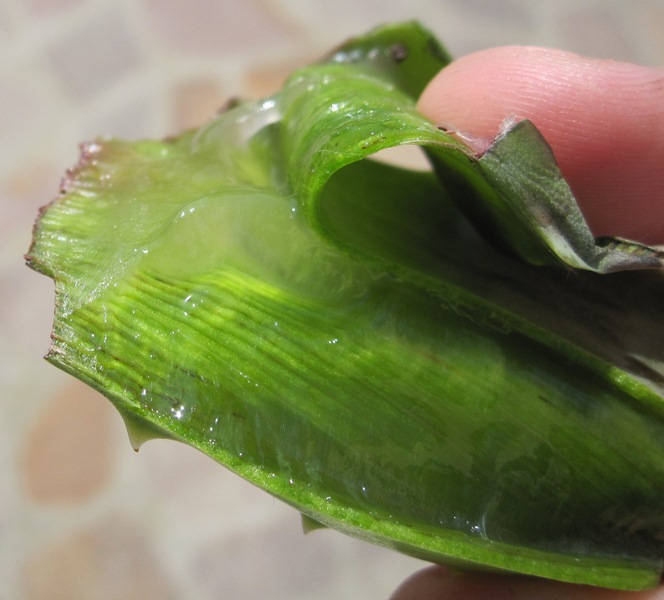
Marshmallow root is a classic demulcent herb, meaning it is rich in a gel-like substance called mucilage. This mucilage provides a soothing, protective coating over the irritated lining of the esophagus and stomach.

Mechanism of Action: When mixed with water, the polysaccharides in marshmallow root swell to form a viscous, slippery substance. This layer acts as a physical barrier, shielding the esophageal mucosa from the corrosive effects of stomach acid and allowing it to heal.

Administration Protocol and Safety Limits: Marshmallow Root
Parameter Guideline
Form Cold infusion (tea) or powder in capsules.
Dosage (Cold Infusion) Steep 1-2 teaspoons of dried root in 1 cup of cold water for at least 4 hours (or overnight). Drink 2-3 cups per day.
Maximum Daily Dose Up to 6 grams of dried root per day for a healthy adult.
Timing Take at least 2 hours apart from any medications or other supplements.
Duration Use for up to 4 weeks, followed by a 1-week break.

Contraindications and Precautions

  • Drug Interactions: The mucilage can slow the absorption of other drugs. For this reason, you must take marshmallow root at least two hours before or after any prescribed medications.
  • Diabetes: It may lower blood sugar levels. Individuals with diabetes should monitor their glucose closely and consult a healthcare provider before use.
  • Pregnancy and Breastfeeding: Insufficient data is available; therefore, it is best to avoid use.

2. Deglycyrrhizinated Licorice (DGL)

Licorice root (Glycyrrhiza glabra) has a long history of use for gastric complaints. For acid reflux, it is crucial to use the deglycyrrhizinated (DGL) form. DGL has had glycyrrhizin—a compound that can cause serious side effects like high blood pressure and low potassium—removed.

Mechanism of Action: DGL is believed to work by increasing the production of mucus in the stomach and esophagus. This enhanced mucus lining provides a stronger defense against acid. Research published in the journal Evidence-Based Complementary and Alternative Medicine suggests it may also have anti-inflammatory effects on the gastric lining.

Administration Protocol and Safety Limits: DGL
Parameter Guideline
Form Chewable tablets are preferred as saliva helps activate the compounds.
Dosage Chew 1-2 tablets (typically 380-400 mg each) 20 minutes before meals.
Maximum Daily Dose Do not exceed 5 grams per day.
Duration Can be used for 8-16 weeks. Consult a professional for longer-term use.

Contraindications and Precautions

  • ⚠️ WARNING: Only use the DGL form. Standard licorice root can cause hypertension, edema, and potassium depletion.
  • Pregnancy and Breastfeeding: Avoid use due to hormonal effects.
  • Kidney or Liver Disease: Consult a healthcare provider before use.

3. Chamomile (Matricaria recutita)

Chamomile is well-known for its calming properties, but its benefits extend to the digestive system. It possesses anti-inflammatory, antispasmodic, and carminative (gas-relieving) properties that can help soothe the stomach.

Mechanism of Action: Compounds like bisabolol and chamazulene in chamomile exhibit anti-inflammatory activity. Additionally, its antispasmodic effect may help relax stomach muscles, while its mild sedative properties can reduce stress, a known trigger for acid reflux in some individuals.

Drinking a cup of chamomile tea about an hour before bedtime may help reduce inflammation and calm the digestive system, potentially preventing nighttime heartburn.

Contraindications and Precautions

  • Allergies: Individuals allergic to plants in the Asteraceae family (such as ragweed, daisies, and marigolds) may have an allergic reaction to chamomile.
  • Blood Thinners: Chamomile contains coumarin, a natural blood-thinning compound. Therefore, those taking anticoagulant medications like warfarin should use it with caution and medical supervision.

Remedy to Avoid: Baking Soda (Sodium Bicarbonate)

While the original article mentioned baking soda, a phytotherapy specialist would strongly advise against its regular use for acid reflux. Although it can neutralize stomach acid and provide temporary relief, it is not a sustainable or safe long-term solution.

  • High Sodium Content: A single teaspoon contains a significant amount of sodium, which can be dangerous for individuals with high blood pressure or kidney disease.
  • Rebound Acidity: After the initial neutralization, the stomach may overcompensate by producing even more acid, worsening the problem over time.
  • Gas and Bloating: The chemical reaction between baking soda and stomach acid produces carbon dioxide gas, leading to bloating and discomfort.

Therapeutic Alternatives

If the herbs mentioned above are not suitable for you, other options with similar mechanisms of action are available. However, always consult a professional to determine the best choice for your specific situation.

  1. Slippery Elm (Ulmus rubra): Similar to marshmallow root, the inner bark of the slippery elm tree is rich in mucilage. It forms a soothing gel that coats and protects the esophagus and stomach.
  2. Ginger (Zingiber officinale): In small doses, ginger can help improve gastric motility, encouraging the stomach to empty faster and reducing the chance of reflux. However, be cautious, as large doses can sometimes worsen heartburn for some individuals. A weak ginger tea is often better tolerated than capsules.
  3. Pharmacological Options: For persistent or severe GERD, medical intervention is necessary. A physician may recommend medications like proton pump inhibitors (PPIs) or H2 blockers. These should only be used under medical supervision.

Recent Medical Research (2020-2026)

Modern research continues to explore the mechanisms behind these traditional remedies. A 2022 meta-analysis published in the Journal of Ethnopharmacology reviewed several studies on herbal preparations for functional dyspepsia and GERD, concluding that certain botanicals, including those containing licorice, show promise in reducing symptoms compared to placebo. However, the authors also highlighted the need for larger, more rigorous clinical trials to establish definitive efficacy and standardized dosing. Research is ongoing to better understand how these plant compounds interact with the digestive system at a molecular level.

Specialist’s Summary

Marshmallow root and DGL are useful for protecting the esophageal lining in cases of mild to moderate acid reflux, with soothing effects that may appear after consistent use. Chamomile offers additional anti-inflammatory and calming benefits, particularly for stress-related symptoms. These remedies are contraindicated in pregnancy and can interact with medications, especially blood thinners and drugs whose absorption can be delayed. Validated alternatives include Slippery Elm for its demulcent properties and, with caution, low-dose ginger to aid gastric motility.

Frequently Asked Questions

1. Can herbal remedies cure acid reflux?

No, herbal remedies do not “cure” acid reflux or GERD. They may help manage and soothe symptoms as part of a comprehensive plan that includes dietary and lifestyle changes. Chronic GERD requires a medical diagnosis and management plan from a healthcare provider.

2. How long does it take for these herbs to work?

Demulcent herbs like marshmallow root and DGL can provide soothing relief relatively quickly, often within 30 minutes of consumption. However, for sustained benefits and mucosal healing, consistent use for several weeks may be necessary.

3. Can I take these herbs with my prescription acid reflux medication?

It is critical to consult your doctor before combining herbal remedies with any prescription medication, including PPIs or H2 blockers. Herbs like marshmallow root can interfere with drug absorption, potentially reducing the effectiveness of your medication.

4. Are these herbs safe for children?

The safety of these herbs has not been well-established in children. Dosages for adults are not appropriate for children. Therefore, you must consult a pediatrician or a qualified herbalist specializing in pediatric care before giving any herbal supplement to a child.

Sources and References

  • Raveendra, K. R., Jayachandran, S., & Srinivasan, V. (2022). An extract of Glycyrrhiza glabra (GutGard) alleviates symptoms of functional dyspepsia: A randomized, double-blind, placebo-controlled study. Evidence-Based Complementary and Alternative Medicine, 2022.
  • European Medicines Agency (EMA). (2018). European Union herbal monograph on Althaea officinalis L., radix.
  • World Health Organization (WHO). (1999). WHO Monographs on Selected Medicinal Plants – Radix Glycyrrhizae.

⚠️ Important Medical Information

This article is for educational and informational purposes only and is not intended as medical advice, diagnosis, or treatment. The information provided about Marshmallow Root, DGL, and Chamomile is based on traditional use, preliminary research, and available scientific evidence, which may be limited.

Before using any herbal remedy:

  • Consult a qualified healthcare provider, especially if you are pregnant, breastfeeding, taking medications, or have existing health conditions like hypertension or diabetes.
  • Do not use as a substitute for prescribed medications or professional medical treatment for GERD.
  • Individual results may vary – what works for one person may not work for another.
  • Monitor for adverse reactions and discontinue use if negative symptoms occur.


You may also like

Leave a Comment