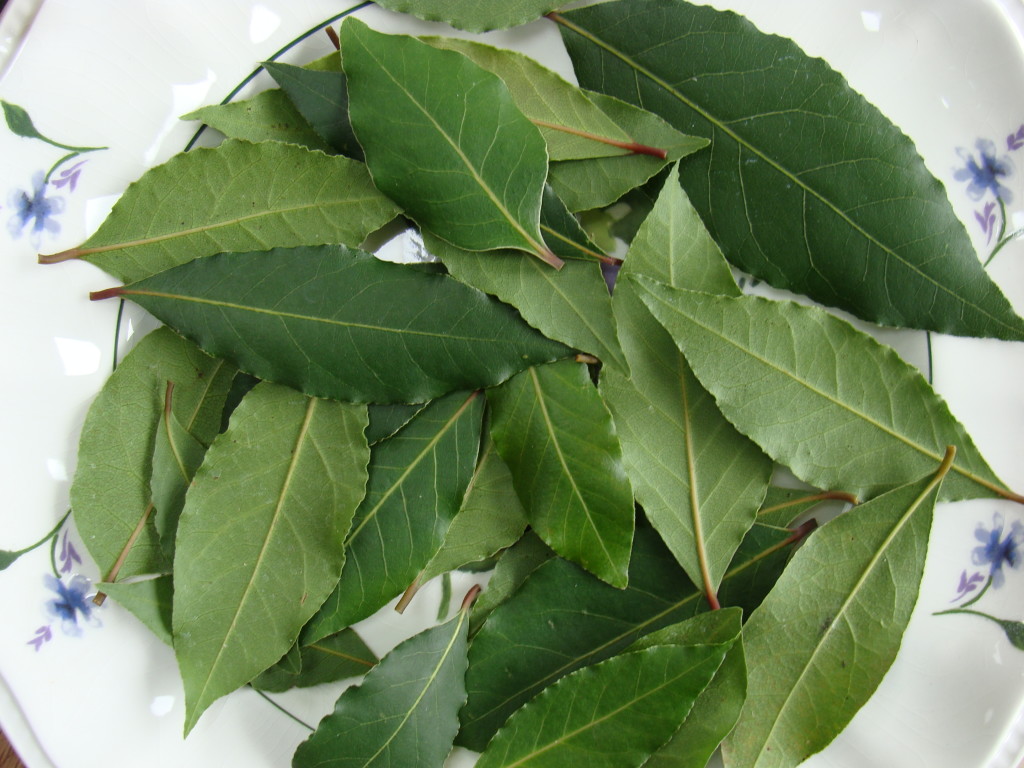
Bay Leaf for Digestion and Pain Relief: Benefits and Safe Use

by Andreea Smiterson
0 comments
A+A-
Reset

Commonly known as a fragrant addition to soups and stews, the bay leaf (*Laurus nobilis*) has a rich history extending far beyond the kitchen. For centuries, this Mediterranean herb has been a staple in traditional medicine, valued for its potential therapeutic properties. Modern science is now beginning to investigate these historical uses, exploring the active compounds that may contribute to its health benefits.

While whole bay leaves should never be ingested due to being a choking hazard, their extracts, teas, and essential oils contain a variety of beneficial compounds. Specifically, research has identified key components like eugenol, cineole, and parthenolide, which are studied for their anti-inflammatory, antimicrobial, and digestive-supporting effects. Consequently, understanding how to use bay leaf safely is essential to harnessing its potential benefits.

bay leaves health and beauty benefits

Evidence-Based Health Benefits of Bay Leaf

While many claims exist, scientific evidence primarily points toward a few key areas where bay leaf may offer support. It is crucial to remember that this is not a substitute for professional medical treatment.

1. Supports Digestive Health

Traditionally, bay leaf has been used as a carminative, an agent that helps to relieve flatulence and soothe the digestive tract. Furthermore, studies suggest that bay leaves contain enzymes that may help break down complex proteins in our diet, potentially easing digestion. For this reason, its inclusion in heavy, slow-cooked dishes is not just for flavour. Research published in the journal Medicinal & Aromatic Plants indicates that its compounds can help reduce symptoms like bloating and indigestion by promoting a healthier digestive process.

2. May Alleviate Minor Aches and Inflammation

Bay leaf contains a unique phytonutrient called parthenolide, which has been investigated for its anti-inflammatory properties. According to research, parthenolide may help inhibit the COX-2 inflammatory pathway, similar to how some anti-inflammatory drugs work. For instance, the essential oil, when properly diluted, is used topically in traditional liniments to soothe sore joints and muscles. This effect is attributed to both parthenolide and eugenol, another compound known for its mild analgesic properties.

3. Potential Role in Blood Sugar Regulation

Emerging research has explored the effect of bay leaf on metabolic health. A clinical study published in the Journal of Clinical Biochemistry and Nutrition found that daily consumption of bay leaf capsules by individuals with type 2 diabetes was associated with lower serum glucose levels and improved cholesterol profiles. Indeed, the polyphenols in bay leaves are thought to enhance insulin sensitivity. However, this research is preliminary, and bay leaf should never be used to replace prescribed diabetes medication.

4. Antimicrobial and Respiratory Support

The essential oil derived from bay leaves is rich in cineole (also known as eucalyptol), a compound recognized for its potent antimicrobial effects. For this reason, inhaling steam from a bay leaf infusion is a traditional remedy for clearing congestion. The cineole may help to break up phlegm and soothe irritated respiratory passages. Moreover, its antibacterial properties are why bay leaf extracts are sometimes included in topical preparations for minor skin irritations.

Administration Protocol and Safety Limits

Proper administration is key to using bay leaf safely and effectively. The following protocols are intended for healthy adults and do not constitute medical advice.

Form of Use Administration Details
Bay Leaf Tea (Infusion)
  • Dose: 1-2 dried leaves per 250 ml (1 cup) of boiling water.
  • Frequency: Maximum of 2 cups per day.
  • Timing: Best consumed after meals to aid digestion.
  • Duration: Use for up to 14 consecutive days, followed by a mandatory 7-day break.
Topical Essential Oil
  • Dilution: MUST be diluted. Add 2-3 drops of bay leaf essential oil to 1 tablespoon (15 ml) of a carrier oil (e.g., coconut, jojoba, or almond oil).
  • Application: Gently massage into sore muscles or joints.
  • Warning: Never apply undiluted essential oil to the skin, as it can cause severe irritation. Perform a patch test first.

Overdose Risk: Exceeding the recommended dose of bay leaf tea may lead to gastrointestinal upset or drowsiness. High concentrations of the essential oil can be toxic if ingested.

Specific Biological Limitation

The primary biological limitation of bay leaf relates to its effect on blood glucose and coagulation. Its active compounds can lower blood sugar levels, which is potentially beneficial but poses a risk for individuals already on diabetes medication. This synergistic effect could lead to hypoglycemia (dangerously low blood sugar). Additionally, bay leaf may slow blood clotting. This becomes a significant concern for individuals on anticoagulant medications (blood thinners) or those scheduled for surgery, as it can increase the risk of bleeding and bruising.

Contraindications and Precautions

Before incorporating bay leaf therapeutically, it is essential to be aware of its contraindications.

  • Choking Hazard: NEVER swallow whole or broken bay leaves. They are rigid, have sharp edges, and do not soften with cooking, posing a serious risk of lodging in the throat or digestive tract. Always remove them from dishes before serving.
  • Pregnancy and Breastfeeding: There is insufficient evidence to confirm the safety of medicinal doses of bay leaf during pregnancy or breastfeeding. Therefore, its use beyond normal culinary amounts is not recommended.
  • Diabetes: Individuals with diabetes should use bay leaf with extreme caution and only under medical supervision, as it can affect blood sugar levels and interfere with medication.
  • Surgery: Discontinue all therapeutic use of bay leaf at least two weeks before any scheduled surgery to avoid potential interference with blood sugar control and blood clotting.
  • Allergies: People with allergies to plants in the Lauraceae family (which includes cinnamon and avocado) may experience cross-reactivity.

Therapeutic Alternatives

If bay leaf is not suitable for you, other botanicals with strong scientific backing can offer similar benefits.

  1. For Digestive Support: Fennel Seed (*Foeniculum vulgare*) is an excellent carminative that helps relax the gastrointestinal tract, relieving gas and bloating. It is generally considered very gentle and can be consumed as a tea.
  2. For Topical Pain Relief: Arnica (*Arnica montana*) gel or cream is a well-established herbal remedy for bruising, muscle soreness, and inflammation when applied topically. It should never be taken internally.
  3. For Blood Sugar Support: Cinnamon (*Cinnamomum verum*) has been extensively studied for its ability to help improve insulin sensitivity and manage blood glucose levels. It is a safe culinary spice that can be added to the diet.

Recent Medical Research (2020-2026)

Modern research continues to validate some of the traditional uses of *Laurus nobilis*.

  • A 2021 review published in Molecules highlighted the potent antioxidant and anti-inflammatory activities of bay leaf extracts, attributing these effects to its rich phenolic content. The review supports its potential use in managing inflammatory conditions.
  • A 2021 study investigated the antimicrobial properties of bay leaf essential oil against foodborne pathogens, confirming its effectiveness and suggesting its use as a natural food preservative.

Current Limitations: Most of the compelling research has been conducted *in vitro* (in a lab) or in animal models. More robust human clinical trials are needed to establish definitive dosages and confirm its efficacy and long-term safety for specific medical conditions.

Specialist’s Summary

Bay leaf (*Laurus nobilis*) is a useful culinary herb with preliminary evidence supporting its role in aiding digestion, managing minor inflammation, and potentially regulating blood sugar. Its effects are generally mild and appear with consistent, moderate use. However, it is strictly contraindicated for anyone undergoing surgery or taking diabetes medication without medical supervision. Validated alternatives include Fennel for digestion and topical Arnica for pain.

Frequently Asked Questions

Is it safe to drink bay leaf tea every day?

It is not recommended to drink bay leaf tea daily on an ongoing basis. A safe protocol involves consuming it for a limited period, such as up to two weeks, followed by at least a one-week break to prevent potential side effects and allow your body to reset.

What are the main side effects of bay leaf?

When used appropriately, side effects are rare. The most significant risk is choking on the whole leaf. In medicinal doses, some people may experience drowsiness or stomach upset. Topically, the undiluted essential oil can cause significant skin irritation.

Can bay leaf really help with hair loss?

Traditionally, a bay leaf infusion is used as a hair rinse to improve scalp health and reduce dandruff due to its antifungal properties. While a healthy scalp can support better hair growth, there is no strong scientific evidence to prove that bay leaf directly prevents or reverses common forms of hair loss, such as male-pattern baldness.

Sources and References

  1. Batool, S., Khera, R. A., Hanif, M. A., & Ayub, M. A. (2020). Bay Leaf. In Medicinal Plants of South Asia (pp. 63-74). Elsevier.
  2. Al-Harrasi, A., et al. (2021). A Comprehensive Review on the Ethnobotanical Uses, Phytochemistry, and Pharmacological Properties of *Laurus nobilis*. Molecules, 26(11), 3287.
  3. Khan, A., Zaman, G., & Anderson, R. A. (2009). Bay leaves improve glucose and lipid profile of people with type 2 diabetes. Journal of Clinical Biochemistry and Nutrition, 44(1), 52–56.

⚠️ Important Medical Information

This article is for educational and informational purposes only and is not intended as medical advice, diagnosis, or treatment. The information provided about Bay Leaf is based on traditional use, preliminary research, and available scientific evidence, which may be limited.

Before using Bay Leaf:

  • Consult a qualified healthcare provider, especially if you are pregnant, breastfeeding, taking medications (particularly for diabetes or blood clotting), or have existing health conditions.
  • Do not use as a substitute for prescribed medications or professional medical treatment.
  • Individual results may vary – what works for one person may not work for another.
  • Monitor for adverse reactions and discontinue use if negative symptoms occur.

Regulatory status: Bay Leaf is considered a culinary herb and dietary supplement. It has not been evaluated by the FDA for treating, curing, or preventing any disease.


You may also like

Leave a Comment