A Guide to Probiotics: 7 Key Benefits for Your Health

Discover the science behind beneficial bacteria for digestion, immunity, and mental well-being.

by Andreea Smiterson
0 comments
A+A-
Reset

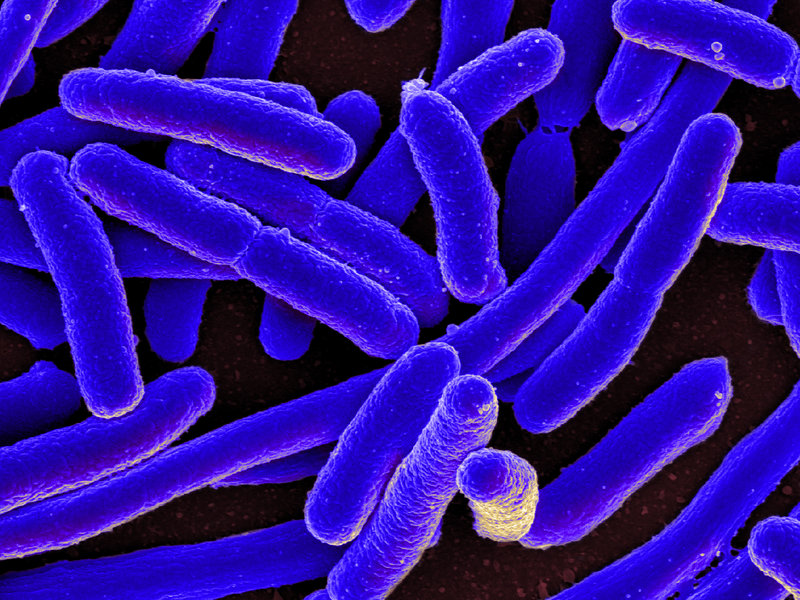
The human body is home to trillions of microorganisms, including bacteria, fungi, and viruses, collectively known as the microbiome. For many years, bacteria were viewed solely as harmful pathogens. However, scientific understanding has evolved dramatically, revealing that a balanced internal ecosystem is crucial for our health. This is where “good bacteria,” or probiotics, play an essential role.

Probiotics are live microorganisms that, when administered in adequate amounts, confer a health benefit on the host. In essence, they help maintain the natural balance of organisms in your intestines. A healthy gut microbiome is not just about digestion; research increasingly links it to immune function, mental health, and overall well-being.

Benefits of Bacteria

This article explores the evidence-based benefits of maintaining a healthy bacterial balance and provides guidance on how to support your microbiome safely and effectively.

1. Supports Digestive Health

Perhaps the most well-documented benefit of probiotics is their role in digestive function. Your gut microbiome helps break down food components that your body cannot digest on its own, such as certain fibers. Furthermore, a balanced gut environment helps regulate bowel movements and can alleviate common digestive issues.

For instance, specific probiotic strains like Lactobacillus rhamnosus GG and Saccharomyces boulardii have been studied for their potential to reduce the severity and duration of diarrhea, particularly antibiotic-associated diarrhea. According to a meta-analysis published in the Journal of the American Medical Association (JAMA), probiotic use was associated with a lower risk of developing this common side effect of antibiotic therapy.

2. Enhances the Immune System

A significant portion of your immune system—around 70%—is located in your gut. Therefore, a healthy microbiome is a cornerstone of robust immunity. Probiotics interact with immune cells and can help modulate the body’s defense mechanisms.

They work by reinforcing the gut barrier, making it more difficult for harmful pathogens to enter the bloodstream. Additionally, certain strains can stimulate the production of antibodies and promote the activity of immune cells like T-lymphocytes. Research suggests that regular consumption of probiotics may reduce the incidence and duration of common respiratory infections.

3. May Help Regulate Cholesterol Levels

Emerging research indicates a connection between gut bacteria and cardiovascular health, particularly cholesterol metabolism. While more studies are needed, some evidence suggests that certain probiotic strains can help manage cholesterol levels.

The proposed mechanism involves probiotics binding to cholesterol in the intestine, preventing its absorption. Moreover, they can produce short-chain fatty acids (SCFAs) that may influence how the liver produces and processes cholesterol. A 2022 meta-analysis in Frontiers in Nutrition concluded that probiotic supplementation showed a modest but statistically significant effect in lowering total and LDL (“bad”) cholesterol.

4. Contributes to Weight Management

The gut microbiome plays a role in regulating metabolism, appetite, and energy storage. Consequently, an imbalance in gut bacteria (dysbiosis) has been linked to obesity and metabolic disorders. Probiotics may influence body weight through several mechanisms, including affecting appetite-regulating hormones and reducing the number of calories absorbed from food.

However, it is crucial to note that probiotics are not a weight-loss “magic bullet.” Their effect is modest and should be considered part of a holistic approach that includes a balanced diet and regular physical activity.

5. Influences Mental Health (The Gut-Brain Axis)

The connection between the gut and the brain, known as the “gut-brain axis,” is a rapidly growing area of research. Your gut bacteria can produce neurotransmitters, such as serotonin and dopamine, which are critical for mood regulation.

Studies have explored the use of “psychobiotics”—probiotics that may confer mental health benefits—for conditions like anxiety and depression. A 2023 systematic review published in Clinical Psychology Review found that probiotic supplementation could have a small to moderate positive effect on symptoms of depression, though researchers emphasize the need for larger, more rigorous trials.

6. Helps Maintain Hormonal Balance

The gut microbiome also interacts with the endocrine system. A specific collection of gut microbes, known as the “estrobolome,” helps metabolize estrogens. An imbalance in these bacteria can affect estrogen levels, potentially influencing conditions related to this hormone.

While this field is still developing, maintaining a healthy gut is considered a supportive strategy for overall hormonal health, particularly in women.

7. Improves Oral Health

Just like the gut, the oral cavity has its own unique microbiome. An imbalance here can lead to issues like cavities, gum disease (gingivitis), and bad breath (halitosis). Certain probiotic strains, such as Lactobacillus reuteri, have been shown to compete with harmful oral bacteria, potentially reducing the risk of dental problems.

Oral probiotics, available as lozenges or chewable tablets, may help restore a healthy balance of bacteria in the mouth, complementing good oral hygiene practices like brushing and flossing.

Administration Protocol and Safety Limits

While probiotics are generally considered safe for most people, it is important to use them correctly for optimal benefit and safety.

Treatment Duration

  • For specific issues (e.g., after antibiotics): Typically used for 2-4 weeks.
  • For general health maintenance: Can be taken long-term, but it’s wise to periodically re-evaluate the need with a healthcare provider.
  • Mandatory break: Not generally required, but some practitioners recommend cycling supplements (e.g., 3 months on, 1 month off) to encourage microbial diversity.

Quantity and Maximum Dose

  • Dose: Measured in Colony Forming Units (CFUs). A typical daily dose for adults ranges from 1 billion to 50 billion CFUs. The effective dose is highly strain-dependent.
  • Frequency: Usually taken once or twice daily.
  • Overdose risk: There is no defined toxic dose, but excessively high amounts may cause temporary digestive upset, such as gas and bloating.

Administration Condition

  • Timing: Taking probiotics with or just before a meal that contains some fat may improve bacterial survival through the stomach acid.
  • Incompatibilities: If taking antibiotics, administer the probiotic at least 2-3 hours apart from the medication to prevent the antibiotic from killing the beneficial bacteria.

Specific Biological Limitation

Probiotics are live microorganisms. While beneficial for most, this characteristic poses a risk for individuals with severely compromised immune systems. In these populations, the bacteria could potentially translocate from the gut into the bloodstream, causing a systemic infection known as bacteremia or sepsis.

Technical warning: This risk is highest in critically ill patients, post-operative patients, premature infants, and those with central venous catheters or significant immunosuppression (e.g., from chemotherapy or certain diseases).

Contraindications and Precautions

Absolute Contraindications (FORBIDDEN)

  • Severe Immunosuppression: Individuals with conditions like advanced HIV/AIDS, those on high-dose immunosuppressive therapy, or organ transplant recipients should avoid probiotics unless under strict medical supervision.
  • Acute Pancreatitis: Probiotic use has been linked to increased mortality in patients with severe acute pancreatitis.
  • Critically Ill Patients: Use in intensive care unit (ICU) settings is highly controversial and generally not recommended due to the risk of infection.

Vulnerable Populations

  • Pregnancy and Breastfeeding: Generally considered safe, but consultation with a healthcare provider is essential to choose appropriate strains.
  • Children and Infants: Certain strains are well-studied and safe for children. However, always consult a pediatrician before giving any supplement to a child.

Documented Adverse Effects

  • Common: Mild and temporary gas, bloating, or changes in bowel habits as the gut adjusts.
  • Rare: In predisposed individuals, systemic infections can occur.

Therapeutic Alternatives

If probiotic supplements are not suitable or desired, there are other effective ways to support your gut microbiome:

  1. Prebiotic-Rich Foods: Prebiotics are types of fiber that feed your beneficial gut bacteria. Including sources like garlic, onions, leeks, asparagus, bananas, and whole grains in your diet is a powerful way to nourish your existing microbiome.
  2. Dietary Diversity: Consuming a wide variety of plant-based foods (aim for 30+ different plant types per week) is strongly associated with greater microbial diversity, which is a key indicator of a healthy gut.
  3. Fermented Foods: Foods like yogurt, kefir, sauerkraut, kimchi, and kombucha contain live cultures. While they may not always meet the strict definition of a probiotic (due to unverified strains and doses), they are excellent for overall gut health.

Recent Medical Research (2020-2026)

The field of microbiome research is advancing rapidly. Recent studies continue to uncover the profound impact of gut bacteria on health.

  • A 2022 study in Nature Medicine highlighted how the gut microbiome influences the effectiveness of immunotherapy in cancer patients, opening doors for personalized microbial therapies.
  • Research published in Cell Host & Microbe in 2023 explored the development of “next-generation” probiotics, using engineered bacteria to deliver specific therapeutic compounds directly to the gut.

Current Limitations: A major challenge is the strain-specific nature of probiotics; a benefit seen with one strain does not apply to others. More research is needed to determine the optimal strains, doses, and durations for specific health conditions.

Specialist’s Summary

Probiotics are beneficial microorganisms essential for digestive health, immune function, and potentially mental well-being. Their effects are strain-specific and appear after consistent use. While generally safe, they are contraindicated in severely immunocompromised or critically ill individuals. Excellent alternatives or complements to supplements include a diet rich in prebiotic fibers and diverse plant foods.

Frequently Asked Questions

1. What is the difference between probiotics and prebiotics?
Probiotics are the live beneficial bacteria themselves. Prebiotics are the non-digestible fibers that act as food for these bacteria, helping them thrive in your gut. Think of prebiotics as the fertilizer for your internal garden.

2. How long does it take for probiotics to work?
The timeframe depends on the reason for use. For acute issues like antibiotic-associated diarrhea, you may notice effects within a few days. For general health benefits or chronic conditions, it may take several weeks of consistent daily use to see a noticeable change.

3. Can I get enough probiotics from food alone?
For many people, a diet rich in fermented foods like yogurt, kefir, and sauerkraut can provide a good daily intake of beneficial bacteria. However, supplements offer a more concentrated and specific dose of particular strains that have been studied for certain health benefits.

4. Is it safe to take probiotics every day?
For the general healthy population, daily intake of probiotics is considered safe. However, they are supplements intended to support health, not replace a healthy lifestyle. If you have any underlying health conditions, it is best to consult a healthcare provider.

Sources and References

This article is based on evidence from peer-reviewed scientific literature and authoritative health organizations.

  1. Guo, Q., et al. (2022). Probiotics for the prevention of antibiotic-associated diarrhea in adults and children. JAMA.
  2. Wang, L., et al. (2022). The Cholesterol-Lowering Effects of Probiotics on Blood Lipids: A Meta-Analysis of 20 Randomized Controlled Trials. Frontiers in Nutrition.
  3. Liu, B., et al. (2023). The effect of probiotics on depression: A systematic review and meta-analysis of randomized controlled trials. Clinical Psychology Review.
  4. National Institutes of Health (NIH), National Center for Complementary and Integrative Health. “Probiotics: What You Need To Know.”

⚠️ Important Medical Information

This article is for educational and informational purposes only and is not intended as medical advice, diagnosis, or treatment. The information provided about probiotics and the microbiome is based on traditional use, preliminary research, and available scientific evidence, which may be limited.

Before using probiotics:

  • Consult a qualified healthcare provider, especially if you are pregnant, breastfeeding, taking medications, or have existing health conditions like a compromised immune system.
  • Do not use as a substitute for prescribed medications or professional medical treatment.
  • Individual results may vary – what works for one person may not work for another.
  • Monitor for adverse reactions and discontinue use if negative symptoms occur.


You may also like

Leave a Comment