Herbal Remedies for Acne: A Phytotherapist’s Guide to Safe Use
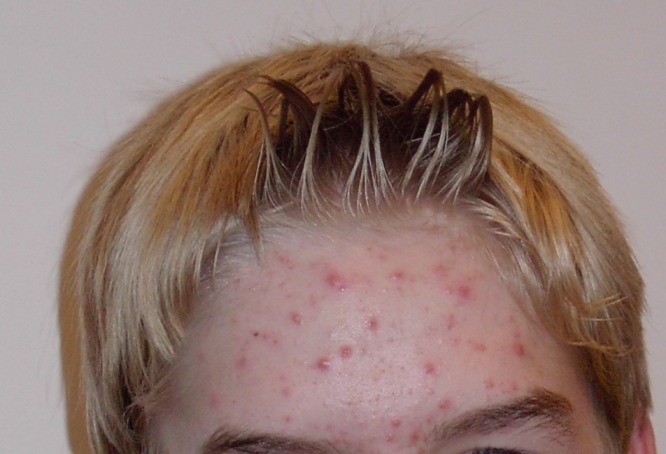
Acne is one of the most common inflammatory skin conditions, affecting millions of people, particularly during adolescence but often persisting into adulthood. While traditionally viewed as a simple consequence of puberty, modern understanding reveals it as a complex condition influenced by hormones, genetics, bacteria, and inflammation. Consequently, a holistic approach that includes evidence-based herbal remedies can offer valuable support in managing acne-prone skin.

This guide explores several well-researched botanicals, focusing on their mechanisms of action, proper application, and crucial safety protocols. Importantly, this information is for educational purposes and should not replace consultation with a dermatologist or qualified healthcare provider.
Understanding the Four Pillars of Acne Pathogenesis
To effectively manage acne, it is essential to understand its primary causes. Phytotherapy aims to address one or more of these factors using plant-based compounds.
- Excess Sebum Production: Hormonal fluctuations, particularly androgens, can stimulate the sebaceous glands to produce too much oil (sebum).
- Follicular Hyperkeratinization: Skin cells inside the hair follicle shed too quickly and clump together, mixing with sebum to form a plug (comedone).
- Bacterial Proliferation: The anaerobic bacterium Cutibacterium acnes (formerly Propionibacterium acnes) thrives in the clogged follicle, feeding on sebum.
- Inflammation: The body’s immune response to the bacterial overgrowth and follicular blockage causes the redness, swelling, and pain associated with pimples, pustules, and cysts.
Key Herbal Allies for Acne-Prone Skin
Several botanicals have been studied for their potential to address the underlying factors of acne. However, they must be used correctly to be both effective and safe.
Tea Tree Oil (Melaleuca alternifolia): A Potent Topical Antiseptic
Traditionally used by Indigenous Australians for its antiseptic properties, Tea Tree oil is now one of the most researched herbal remedies for acne. Its primary active compound, terpinen-4-ol, has demonstrated strong antimicrobial effects against C. acnes. Furthermore, research published in journals like the *Australasian Journal of Dermatology* indicates it also possesses significant anti-inflammatory properties, helping to reduce the redness and swelling of lesions.
Administration Protocol and Safety Limits
| Protocol | Instructions and Safety Limits |
|---|---|
| Maximum Concentration | Never use undiluted. Always dilute to a maximum of 5% concentration (e.g., 5 drops of Tea Tree oil per 95 drops of a carrier oil like jojoba or almond oil). |
| Application | Apply sparingly as a spot treatment to affected areas 1-2 times per day after cleansing. Perform a patch test on a small area of skin 24 hours before first use. |
| Treatment Duration | Use consistently for 4-6 weeks to assess effectiveness. Discontinue use if irritation, redness, or excessive dryness occurs. |
| Overdose Risk | Using concentrations above 5% significantly increases the risk of contact dermatitis, severe irritation, and blistering. For external use only; toxic if ingested. |
Specific Biological Limitation
The primary limitation of Tea Tree oil is its potential for skin sensitization. The volatile compounds can cause allergic contact dermatitis in susceptible individuals, especially when the oil is old or has been exposed to air and light (oxidized). Therefore, always use fresh, properly stored oil and perform a patch test.
Burdock Root (Arctium lappa): A Traditional Internal Approach
In traditional Western herbalism, Burdock root is considered a classic “depurative” or “blood purifier,” historically used to support chronic skin conditions like acne and eczema. While the traditional terminology is archaic, modern science suggests mechanisms that support this use. For instance, Burdock contains compounds like polyacetylenes with antimicrobial properties and caffeoylquinic acids that exert anti-inflammatory effects. Additionally, its high inulin content acts as a prebiotic, supporting a healthy gut microbiome, which is increasingly linked to skin health via the “gut-skin axis.”
Administration Protocol and Safety Limits
| Protocol | Instructions and Safety Limits |
|---|---|
| Form of Use | Decoction (tea made from root). Use 2-6 grams of dried root per cup (250 ml) of water. Simmer for 10-15 minutes, then strain. |
| Maximum Daily Dose | Up to 3 cups per day for a healthy adult. Start with a lower dose to assess tolerance. |
| Timing | Consume between meals for best absorption. |
| Treatment Duration | Typically used for 4-6 weeks, followed by a mandatory break of at least 2 weeks. |
The Role of Diet in Acne Management
While the direct link between specific foods and acne varies between individuals, a growing body of evidence suggests dietary patterns can influence acne severity. Specifically, research points to two main areas:
- High-Glycemic Foods: Diets rich in refined sugars and carbohydrates (white bread, sugary drinks) can spike insulin and Insulin-like Growth Factor 1 (IGF-1). These hormones can increase sebum production and inflammation, potentially worsening acne.
- Dairy Products: Some studies, particularly those published in the *Journal of the American Academy of Dermatology*, have found an association between milk consumption (especially skim milk) and acne. This may be due to the hormones present in milk and its effect on the IGF-1 pathway.
Therefore, adopting an anti-inflammatory diet rich in whole foods, vegetables, fruits, lean proteins, and healthy fats (like omega-3s from fish) may help manage acne from the inside out. This approach supports overall health and may reduce the inflammatory burden on the body.
Contraindications and Precautions
Herbal remedies are not without risks and require careful use.
- Tea Tree Oil: Absolutely contraindicated for internal use. It should be avoided by individuals with known allergies to Melaleuca alternifolia. It must always be diluted to prevent chemical burns and severe skin irritation.
- Burdock Root: Individuals with allergies to the Asteraceae/Compositae family (e.g., ragweed, daisies, chrysanthemums) may have an allergic reaction. Due to its diuretic effect, it should be used with caution by those on diuretic medications. Its safety during pregnancy and breastfeeding has not been established, so it should be avoided.
Therapeutic Alternatives
If the botanicals mentioned above are not suitable, other options may be considered.
- Witch Hazel (Hamamelis virginiana): A gentle astringent and anti-inflammatory, its distilled extract is suitable for toning oily skin and may help reduce minor inflammation. It is generally well-tolerated but should be alcohol-free to avoid excessive drying.
- Oregon Grape Root (Mahonia aquifolium): Used both topically and internally, this plant is rich in berberine, an alkaloid with potent antimicrobial and anti-inflammatory activity. Studies suggest topical berberine can reduce sebum production and fight C. acnes.
- Conventional Treatments: For moderate to severe acne, pharmacological options are often necessary. These include topical retinoids, benzoyl peroxide, and antibiotics, which must be prescribed and monitored by a dermatologist.
Recent Medical Research (2020-2026)
Recent research continues to validate the multifactorial approach to acne. A 2023 meta-analysis published in the *International Journal of Dermatology* reaffirmed the link between high-glycemic diets and acne prevalence. Furthermore, studies are increasingly focusing on the gut-skin axis. For example, a 2022 study in *Frontiers in Microbiology* explored how imbalances in gut bacteria can contribute to systemic inflammation that manifests in skin conditions like acne, lending modern scientific support to the traditional use of gut-supportive herbs like Burdock.
Specialist’s Summary
Herbal remedies can be a valuable component of an integrative plan for managing mild to moderate acne. Topical agents like diluted Tea Tree oil offer direct antimicrobial and anti-inflammatory effects, while internal herbs like Burdock root may support the body’s detoxification pathways and gut health. However, these remedies are not a cure and must be used with a clear understanding of safety protocols, dosages, and contraindications. For persistent or severe acne, consulting a dermatologist is essential.
Frequently Asked Questions
1. Can herbal remedies cure acne completely?
No herbal remedy can be considered a “cure” for acne. Acne is a complex condition influenced by hormones and genetics. However, botanicals can significantly help manage symptoms, reduce inflammation, and decrease the frequency and severity of breakouts when used as part of a comprehensive skincare and lifestyle plan.
2. How long does it take for herbal acne treatments to work?
Patience is key. Unlike some pharmaceuticals, herbal remedies often work more gradually. You should expect to use a consistent routine for at least 4 to 8 weeks before seeing noticeable improvements. Results vary based on the individual’s skin type, acne severity, and consistency of use.
3. Is it safe to combine different herbal remedies for acne?
It is generally best to introduce one new product at a time to monitor for any adverse reactions. Combining a gentle topical treatment (like a Witch Hazel toner) with an internal one (like Burdock tea) is common, but combining multiple potent topicals (like Tea Tree oil and a salicylic acid product) can cause excessive dryness and irritation. Always consult a professional before creating a complex regimen.
4. Is Burdock root safe for long-term use?
Burdock root is typically recommended for cyclical use, not continuous long-term consumption. A standard protocol involves taking it for 4-6 weeks, followed by a 2-week break. This helps maintain its effectiveness and reduces any potential burden on the body’s systems.
Sources and References
- Enshaieh, S., et al. (2007). The efficacy of 5% topical tea tree oil gel in mild to moderate acne vulgaris: a randomized, double-blind placebo-controlled study. *Indian Journal of Dermatology, Venereology and Leprology*.
- Mazzarello, V., et al. (2018). Treatment of acne with a combination of propolis, tea tree oil, and Aloe vera compared to erythromycin cream: two double-blind investigations. *Clinical Pharmacology: Advances and Applications*.
- Juhlin, L., & Vahlquist, A. (2022). The pathogenesis of acne. *Dermato-Endocrinology*.
- Meixiong, J., et al. (2022). The role of the gut microbiome in acne. *Frontiers in Microbiology*.
- European Medicines Agency (EMA). Community herbal monograph on *Arctium lappa* L., radix.
⚠️ Important Medical Information
This article is for educational and informational purposes only and is not intended as medical advice, diagnosis, or treatment. The information provided about Tea Tree Oil and Burdock Root is based on traditional use, preliminary research, and available scientific evidence, which may be limited.
Before using any herbal remedy:
- Consult a qualified healthcare provider, especially if you are pregnant, breastfeeding, taking medications, or have existing health conditions like diabetes or kidney disease.
- Do not use as a substitute for prescribed medications or professional medical treatment from a dermatologist.
- Individual results may vary – what works for one person may not work for another.
- Monitor for adverse reactions and discontinue use immediately if negative symptoms like a rash, irritation, or digestive upset occur.
I don’t entirely believe this at all.
Scare mongers everyone has acne growing up what next
Rubbish. It’s a bad diet.
Yep, youre right. And that’s the same thing that’s going to cause cancer. That should be a wake up call to change now.
No doubt from eating so many parts of animals!
Nope
Seems everything these days is a sign of cancer.