Understanding Facial Acne: A Phytotherapist’s Guide to Causes and Natural Support
Traditional Chinese Medicine (TCM) proposes the concept of “face mapping,” suggesting that the location of acne on the face corresponds to the health of specific internal organs. While this holistic view offers an interesting perspective, modern dermatology and phytotherapy approach the issue by examining evidence-based causes such as hormonal fluctuations, localized inflammation, and external irritants. Therefore, understanding why acne appears in certain areas can help guide more targeted and effective support strategies.
Instead of viewing acne as a direct window to a single organ, we can interpret its location as a clue to its underlying trigger. Consequently, this allows us to select appropriate herbal interventions that address the specific cause, whether it’s hormonal, inflammatory, or bacterial.

Decoding Acne by Facial Zone: A Scientific Perspective
Let’s explore the common acne zones and what modern science suggests are the primary causes, along with phytotherapeutic approaches that may offer support.
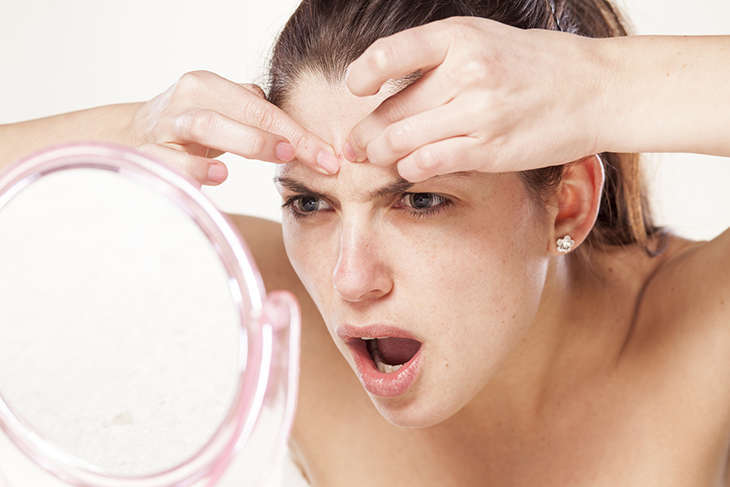
Acne on the Forehead and T-Zone (Nose and Eyebrows)
Common Causes: This area has a high concentration of sebaceous (oil) glands, making it naturally prone to clogged pores. Furthermore, breakouts here are often linked to:
- Excess Sebum Production: Often exacerbated by stress, which can increase cortisol and oil production.
- External Irritants: Hair products, oils, and sweat trapped by hats or headbands can clog pores, a condition known as acne cosmetica or acne mechanica.
- Digestive Imbalance: While not a direct link to the liver as suggested in traditional mapping, research does indicate a gut-skin axis. A diet high in processed foods and refined sugars can promote systemic inflammation, potentially worsening acne.
Phytotherapeutic Support: For this area, a topical antimicrobial and anti-inflammatory approach is often most effective. Tea Tree oil (*Melaleuca alternifolia*) is a well-researched option. Its primary active compound, terpinen-4-ol, has demonstrated potent antimicrobial activity against Cutibacterium acnes, the bacteria implicated in acne formation. A 2017 study published in the Australasian Journal of Dermatology confirmed that tea tree oil products can significantly improve mild to moderate acne with fewer side effects than benzoyl peroxide.
Acne on the Cheeks
Common Causes: Acne on the cheeks is frequently caused by direct contact with bacteria and friction.
- Mechanical Irritation: Cell phones, dirty pillowcases, and frequently touching your face can transfer oil and bacteria, leading to inflammation and breakouts.
- Environmental Factors: Air pollution can create oxidative stress on the skin, potentially contributing to inflammation.
- Respiratory Health: While not a direct indicator of lung disease, individuals with respiratory allergies may experience more facial inflammation. Similarly, smoking introduces oxidative stress that damages skin health.
Phytotherapeutic Support: A gentle, soothing, and healing topical agent is ideal here. Calendula (*Calendula officinalis*) extract or infused oil is an excellent choice. Traditionally used for wound healing, calendula contains flavonoids and triterpenoids that provide anti-inflammatory and antioxidant effects. It helps soothe irritated skin and supports the skin’s natural healing process without being overly harsh.
Acne on the Jawline, Chin, and around the Mouth
Common Causes: This is the classic pattern for hormonal acne, particularly in adult women.
- Hormonal Fluctuations: Breakouts in this area are strongly linked to an excess of androgens (male hormones like testosterone). These hormones increase sebum production, leading to clogged pores. This pattern often flares up in sync with the menstrual cycle.
- Dietary Factors: For some individuals, high-glycemic foods and dairy can exacerbate hormonal acne by influencing insulin and related hormones.
Phytotherapeutic Support: Addressing hormonal acne often requires an internal approach. Spearmint (*Mentha spicata*) tea has emerged as a promising natural option. Research, including a study in the journal Phytotherapy Research, suggests that spearmint possesses anti-androgenic properties. By helping to lower free testosterone levels, it may reduce the hormonal trigger for sebum overproduction. Consuming two cups of organic spearmint tea daily has been observed in clinical settings to help reduce inflammatory acne lesions in women.
Administration Protocol and Safety Limits
When using herbal remedies, proper administration is crucial for both safety and efficacy.
| Herbal Remedy | Protocol and Safety Information |
|---|---|
| Spearmint (*Mentha spicata*) Tea (Internal) |
|
| Tea Tree (*Melaleuca alternifolia*) Oil (Topical) |
|
Specific Biological Limitation
Anti-Androgenic Effects: Spearmint contains compounds that may reduce the levels or activity of androgen hormones. While this is beneficial for women with hormonal acne, its use is not recommended for men seeking acne treatment due to these potential hormonal effects. Moreover, individuals with hormone-sensitive conditions should consult a healthcare provider before use.
Contraindications and Precautions
Always prioritize safety when using phytotherapy.
- Spearmint Tea: Should be avoided by individuals with known kidney or severe liver disorders. Due to its potential hormonal effects, it is not recommended during pregnancy or breastfeeding without medical consultation.
- Tea Tree Oil: Should not be used by individuals with an allergy to *Melaleuca alternifolia*. Discontinue use immediately if redness, itching, or excessive dryness occurs. Keep away from children and pets.
- Calendula: Individuals with allergies to the Asteraceae/Compositae family (e.g., ragweed, daisies) may have an allergic reaction.
Therapeutic Alternatives
If the suggested herbs are not suitable for you, consider these validated alternatives after consulting with a professional:
- Vitex Agnus-Castus (Chasteberry): For hormonal acne, Vitex works by modulating pituitary hormones, which can help balance the estrogen-progesterone ratio. It is particularly useful for premenstrual acne.
- Witch Hazel (*Hamamelis virginiana*): A great topical alternative to Tea Tree oil, witch hazel is a natural astringent that helps remove excess oil and reduce inflammation thanks to its tannin content. Ensure you use an alcohol-free formulation.
- Green Tea (Topical & Internal): Both drinking green tea and using topical products containing its extract (EGCG) can help reduce sebum production and inflammation due to its powerful antioxidant and anti-inflammatory properties.
Recent Medical Research (2020-2026)
Recent studies continue to validate the use of botanicals for acne. A 2021 systematic review highlighted the efficacy of various plant extracts, including tea tree and green tea, in managing acne by targeting inflammation and microbial growth. Furthermore, research into the gut-skin axis is gaining momentum, with studies exploring how probiotics and diet modification can support conventional acne treatments, reinforcing the link between internal health and skin clarity.
Specialist’s Summary
While traditional face mapping is not a diagnostic tool, acne location provides valuable clues to its primary triggers. Hormonal acne on the jawline may benefit from internal support with spearmint tea, whereas inflammatory or bacterial acne on the forehead and cheeks often responds well to topical agents like diluted tea tree oil or calendula. These remedies are supportive, not curative, and require consistent use. Always consider contraindications, especially the hormonal effects of spearmint, and consult a healthcare provider for persistent acne.
Frequently Asked Questions
Is acne face mapping scientifically proven?
No, the direct organ-to-face-zone mapping from TCM is not supported by modern scientific evidence. However, dermatologists recognize that acne patterns (e.g., hormonal acne on the jawline) can indicate underlying causes like hormonal shifts or external friction.
How long does it take for spearmint tea to help with hormonal acne?
Phytotherapy requires patience. Clinical observations suggest that consistent daily use (2 cups per day) may yield noticeable improvements in 2 to 3 months. Results vary based on individual hormonal balance and lifestyle factors.
Can I apply pure tea tree oil directly to my pimples?
Absolutely not. Undiluted tea tree oil is very potent and can cause significant skin irritation, redness, and even chemical burns. It must always be diluted in a carrier oil to a concentration of 5% or less for facial use.
Sources and References
- Enshaieh, S., Jooya, A., Siadat, A. H., & Iraji, F. (2007). The efficacy of 5% topical tea tree oil gel in mild to moderate acne vulgaris: a randomized, double-blind placebo-controlled study. Indian Journal of Dermatology, Venereology, and Leprology.
- Grant, P., & Ramasamy, S. (2012). An update on plant derived anti-androgens. Phytotherapy Research.
- Mazzarello, V., Donadu, M. G., Ferrari, M., Piga, G., Usai, D., & Zanetti, S. (2018). Treatment of acne with a combination of propolis, tea tree oil, and Aloe vera compared to erythromycin cream: two double-blind investigations. Clinical Pharmacology: Advances and Applications.
⚠️ Important Medical Information
This article is for educational and informational purposes only and is not intended as medical advice, diagnosis, or treatment. The information provided about Spearmint, Tea Tree Oil, and Calendula is based on traditional use, preliminary research, and available scientific evidence, which may be limited.
Before using any herbal remedy:
- Consult a qualified healthcare provider, especially if you are pregnant, breastfeeding, taking medications, or have existing health conditions like hormonal imbalances or kidney/liver issues.
- Do not use as a substitute for prescribed medications or professional medical treatment for severe or persistent acne.
- Individual results may vary – what works for one person may not work for another.
- Monitor for adverse reactions and discontinue use if negative symptoms occur.
Regulatory status: These herbal remedies are considered dietary supplements or traditional remedies and have not been evaluated by the FDA for treating, curing, or preventing any disease.