Managing Cellulite: An Evidence-Based Guide to Natural Methods

by Andreea Smiterson
0 comments
A+A-
Reset

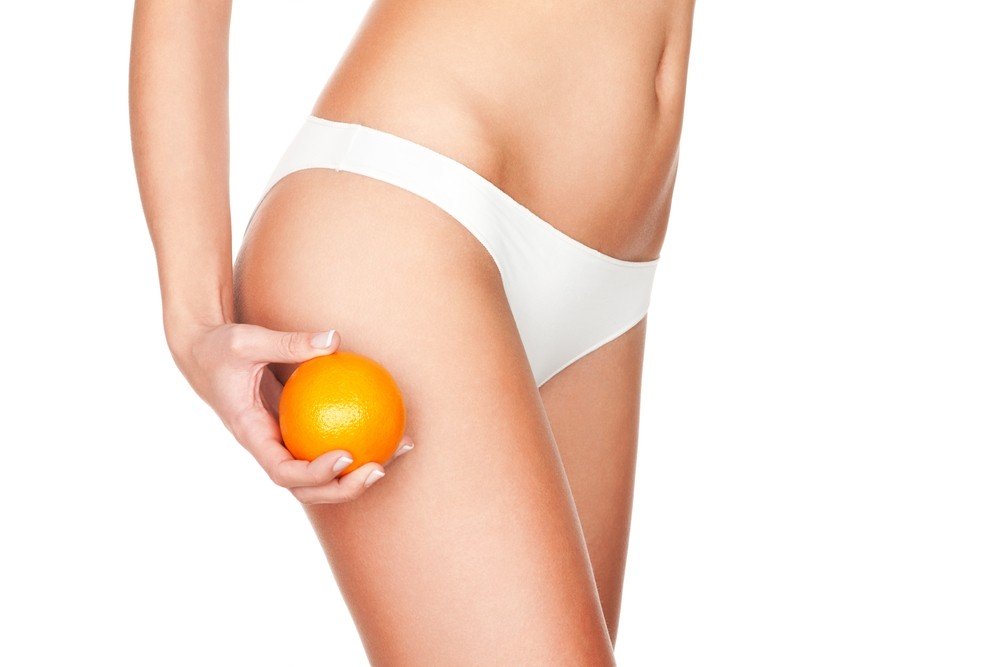
Cellulite is a common cosmetic concern characterized by a dimpled or “orange peel” appearance of the skin, typically on the thighs, buttocks, and abdomen. From a physiological standpoint, it occurs when subcutaneous fat deposits push through the mesh-like structure of fibrous connective tissue (septae) that anchors the skin to the underlying muscle. Consequently, this creates the uneven texture visible on the skin’s surface.

It is important to understand that cellulite is not a medical illness or a sign of poor health. Its development is multifactorial, involving genetics, hormonal fluctuations (particularly estrogen), age-related changes in skin elasticity, and lifestyle factors. While no method can completely eliminate cellulite, several evidence-based strategies can significantly improve its appearance by addressing underlying factors like circulation, connective tissue integrity, and localized fat deposits.

eliminate cellulite naturally

This guide, from a phytotherapy specialist’s perspective, focuses on safe, supportive, and scientifically-backed natural approaches to manage the appearance of cellulite.

Foundational Lifestyle Strategies for Skin Health

Before exploring targeted treatments, establishing a healthy foundation is crucial. Indeed, these lifestyle habits support overall skin structure, circulation, and metabolic health, which directly influences the appearance of cellulite.

1. Nutrient-Rich Diet for Connective Tissue

The strength and elasticity of your connective tissue are paramount. Therefore, a diet rich in specific nutrients can help support collagen synthesis and reduce inflammation.

  • Vitamin C: An essential cofactor for collagen production. Excellent sources include bell peppers, citrus fruits, kiwi, strawberries, and broccoli.
  • Amino Acids: Proline and glycine are key building blocks of collagen. They are abundant in bone broth, lean meats, fish, and dairy products.
  • Antioxidants: Flavonoids and polyphenols found in berries, green tea, and dark leafy greens help protect skin cells from oxidative stress, which can degrade collagen and elastin.
  • Healthy Fats: Omega-3 fatty acids, found in fatty fish like salmon and walnuts, possess anti-inflammatory properties that can benefit overall skin health.

Conversely, a diet high in processed foods, refined sugars, and excessive salt can promote inflammation and fluid retention, potentially worsening the appearance of cellulite.

2. Targeted Physical Activity

Regular exercise is one of the most effective strategies. However, not all exercise is equally beneficial. A combination of strength training and cardiovascular activity yields the best results.

  • Strength Training: Building muscle in the legs, glutes, and abdomen helps to firm and tone the area beneath the skin. This creates a smoother, more supportive underlying layer, making the dimpling less noticeable.
  • High-Intensity Interval Training (HIIT): This form of exercise is effective for fat loss and can improve circulation, addressing two key factors in cellulite’s appearance.

3. Proper Hydration and Lymphatic Support

Dehydration can make skin less pliable and thinner, potentially accentuating the look of cellulite. Furthermore, adequate water intake is essential for healthy lymphatic flow, which helps remove metabolic waste from tissues.

Aim for at least 2 liters of water daily, increasing intake with exercise or in hot weather. Herbal teas like Dandelion leaf (*Taraxacum officinale*) may offer mild diuretic support, helping to reduce temporary fluid retention, but should not replace plain water.

Evidence-Based Phytotherapy and Manual Techniques

Beyond lifestyle changes, specific botanical and manual therapies have shown promise in clinical observations and preliminary studies for improving skin texture and circulation.

4. *Centella asiatica* (Gotu Kola): A Key Botanical for Microcirculation

Centella asiatica, commonly known as Gotu Kola, has a long history of use in traditional Ayurvedic and Chinese medicine for wound healing and skin conditions. Modern research suggests its benefits for cellulite are linked to its active compounds, primarily triterpenoid saponins like asiaticoside.

According to a review published in the Journal of Clinical and Aesthetic Dermatology, these compounds may work by stimulating fibroblast activity to produce more collagen, improving the integrity of connective tissue, and enhancing microcirculation in the skin.

Administration Protocol and Safety Limits for *Centella asiatica*

For any herbal intervention, adhering to a strict protocol is essential for both safety and efficacy.

Parameter Guideline
Form Standardized extract (containing a specific percentage of triterpenes)
Dosage 60-120 mg of standardized extract per day, divided into two doses
Timing Take with meals to minimize potential gastrointestinal upset
Treatment Duration Up to 12 weeks
Mandatory Break A break of at least 2-4 weeks is recommended before resuming

Specific Biological Limitation

Centella asiatica is metabolized by the liver. While generally safe at recommended doses, its use in individuals with pre-existing liver conditions is a concern. The triterpenoid compounds require hepatic processing, and in rare cases of high-dose or prolonged use, there have been reports of hepatotoxicity. Therefore, anyone with a history of liver disease or elevated liver enzymes should avoid this herb or use it only under strict medical supervision.

Contraindications and Precautions

  • Absolute Contraindications: Do not use if you have a known allergy to Centella asiatica or other plants in the Apiaceae family. Avoid use in cases of active liver disease.
  • Pregnancy and Breastfeeding: Insufficient safety data exists; therefore, its use is not recommended.
  • Drug Interactions: Use with caution if taking other medications metabolized by the liver, or sedative medications, as it may have an additive effect.
  • Adverse Effects: Generally well-tolerated. Rare side effects can include skin allergy (topical use), headache, or stomach upset.

5. Topical Applications: Caffeine and Horse Chestnut

Topical treatments can provide a temporary improvement in the appearance of cellulite.

  • Coffee Scrubs: The caffeine in coffee acts as a vasoconstrictor, which can temporarily tighten the skin and reduce fluid. The scrubbing action also exfoliates and stimulates blood flow. However, these effects are superficial and short-lived.

    Simple Scrub Recipe: Mix 1/2 cup of fresh coffee grounds with 1/4 cup of coconut or olive oil. Gently massage onto damp skin in a circular motion for several minutes before rinsing. Always perform a patch test on a small area of skin 24 hours before full use to check for irritation.
  • Horse Chestnut (*Aesculus hippocastanum*): Gels and creams containing Horse Chestnut extract are traditionally used for venous insufficiency. Its active compound, aescin, may help strengthen capillary walls and reduce fluid leakage, which can contribute to a smoother skin appearance.

6. Manual Therapies for Lymphatic Drainage

Manual therapies aim to improve circulation and reduce the fluid retention that can make cellulite more prominent.

  • Myofascial or Lymphatic Drainage Massage: Performed by a qualified therapist, these techniques can help improve lymphatic flow, break up fibrous adhesions, and enhance blood circulation to the area. Regular sessions may lead to a noticeable improvement in skin texture.
  • Dry Brushing: While scientific evidence is lacking, dry brushing is a traditional technique used to exfoliate dead skin cells and stimulate superficial circulation. Use a natural bristle brush on dry skin, using long, gentle strokes towards the heart. Avoid this practice on broken, inflamed, or sensitive skin.

Therapeutic Alternatives

If Centella asiatica is not suitable for you, other botanicals may offer supportive benefits for circulation and connective tissue, although research specifically for cellulite may be more limited.

  1. Ginkgo Biloba: Known for its ability to improve microcirculation by increasing blood flow to small capillaries. This can enhance nutrient delivery to the skin.
  2. Horse Chestnut (*Aesculus hippocastanum*): Primarily used for venous health, its ability to tone and strengthen blood vessels can be beneficial for reducing fluid retention associated with cellulite. It is most commonly used topically.
  3. Grape Seed Extract (*Vitis vinifera*): Rich in proanthocyanidins, it is a powerful antioxidant that helps protect and strengthen collagen and elastin in blood vessels and skin.

Note: Each alternative has its own specific contraindications and safety profile. Always consult a healthcare provider before starting a new supplement.

Recent Medical Research (2020-2026)

Recent research continues to explore the multifactorial nature of cellulite and effective combination therapies. A 2022 systematic review highlighted that no single monotherapy is entirely effective, emphasizing the need for a combined approach involving diet, exercise, and topical or physical treatments. Studies on botanicals like Centella asiatica continue to validate its traditional use, with research focusing on optimizing delivery systems for better skin penetration in topical formulas.

The current scientific consensus is that consistent, long-term application of multiple strategies provides the most significant and lasting improvement in cellulite’s appearance.

Specialist’s Summary

Managing the appearance of cellulite is best achieved through a holistic and consistent approach. Foundational strategies like a nutrient-dense diet and targeted exercise are non-negotiable. Botanicals such as Centella asiatica offer moderate, evidence-based support for improving microcirculation and connective tissue health when used correctly. However, it is contraindicated in individuals with liver conditions. Manual therapies and topical agents provide complementary, often temporary, benefits. For meaningful results, a combination of these methods is required over several months.

Frequently Asked Questions

Can you completely get rid of cellulite?
No, it is not possible to completely eliminate cellulite, as it is related to the natural structure of female subcutaneous tissue. However, its appearance can be significantly improved through consistent application of the strategies discussed in this article.

How long does it take to see results?
Results vary based on genetics, lifestyle, and consistency. With a combined approach of diet, exercise, and targeted treatments, initial improvements in skin texture may be noticeable within 4-6 weeks, with more significant results appearing after 3-6 months.

Are “detox” diets effective for cellulite?
The term “detox” is medically imprecise. There is no scientific evidence that specific detox diets or cleanses reduce cellulite. A balanced, whole-foods diet that supports the body’s natural detoxification organs (liver and kidneys) is the most effective dietary strategy.

Sources and References

  1. Sadick, N. (2019). Treatment for cellulite. International Journal of Women’s Dermatology, 5(1), 68-72. https://www.ncbi.nlm.nih.gov/pmc/articles/PMC6374722/
  2. Goh, K. L. (2020). An updated review of the efficacy of Centella asiatica in the management of varicose veins. Journal of Tissue Viability, 29(1), 40-45.
  3. Luebberding, S., Krueger, N., & Sadick, N. S. (2015). Cellulite: An evidence-based review. American Journal of Clinical Dermatology, 16(4), 243–256.
  4. European Medicines Agency (EMA). (2010). Community herbal monograph on Centella asiatica (L.) Urb., herba.

⚠️ Important Medical Information

This article is for educational and informational purposes only and is not intended as medical advice, diagnosis, or treatment. The information provided about natural methods for cellulite is based on traditional use, preliminary research, and available scientific evidence, which may be limited.

Before using any herbal supplement like Centella asiatica:

  • Consult a qualified healthcare provider, especially if you are pregnant, breastfeeding, taking medications, or have existing health conditions like liver disease.
  • Do not use as a substitute for prescribed medications or professional medical treatment.
  • Individual results may vary – what works for one person may not work for another.
  • Monitor for adverse reactions and discontinue use if negative symptoms occur.

Regulatory status: The herbal products mentioned are considered dietary supplements and have not been evaluated by the FDA for treating, curing, or preventing any disease.


You may also like

Leave a Comment