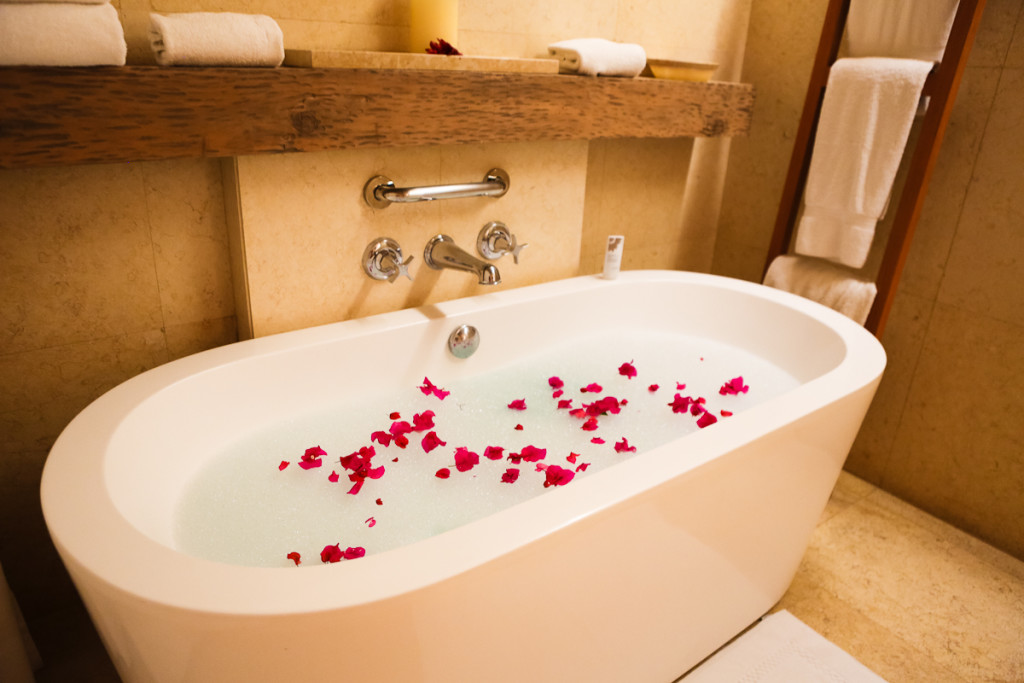
Enjoying a soothing bath is often seen as a simple luxury, but its benefits extend far beyond relaxation. In fact, the practice of using water for therapeutic purposes, known as hydrotherapy, has a long history in traditional medicine and is increasingly supported by modern scientific research. A well-prepared bath can be a powerful tool for supporting both physical and mental well-being.
However, to harness these benefits safely, it is essential to understand the mechanisms at play and follow clear safety protocols. This article explores the evidence-based advantages of both warm and cold bathing, providing a specialist’s guide to incorporating this healthy habit into your routine responsibly.

1. May Support Mood and Mental Well-being
While not a replacement for professional mental healthcare, hydrotherapy shows potential in supporting mood. Specifically, cold water immersion activates the sympathetic nervous system. According to research, this exposure increases the release of norepinephrine, a neurotransmitter that plays a role in focus and mood elevation. Furthermore, the mild electrical shock from cold water sends a significant number of electrical impulses from peripheral nerve endings to the brain, which may have an anti-depressive effect.
2. Enhances Respiratory Function
Cold water bathing can act as a form of exercise for your respiratory system. The initial shock of cold water induces an involuntary gasp reflex, followed by a period of deeper breathing. Consequently, this process helps to increase oxygen intake and can improve the capacity and efficiency of the lungs over time. Conversely, the steam from a hot bath can act as a natural decongestant, helping to moisten nasal passages and clear mucus from the chest and sinuses.
3. Provides Effective Stress Relief
A warm bath is a well-documented method for reducing stress. Immersion in warm water helps lower levels of cortisol, the body’s primary stress hormone. Additionally, the warmth promotes muscle relaxation and can stimulate the production of serotonin, a neurotransmitter associated with happiness and well-being. A 2018 study published in Evidence-Based Complementary and Alternative Medicine found that daily warm water immersion significantly improved anxiety and stress scores in participants.
4. Stimulates Healthy Blood Circulation
Hydrotherapy effectively uses temperature to influence blood flow. A warm bath causes vasodilation, where blood vessels widen, increasing circulation to the skin and muscles. In contrast, a cold bath causes vasoconstriction, narrowing the vessels. Alternating between hot and cold water, known as contrast water therapy, creates a “pump” effect that can significantly boost circulation. This technique is often used by athletes to aid recovery and may be beneficial for individuals with poor peripheral circulation, though medical consultation is advised.
5. Supports Skin Health and Cleansing
While the term “detox” is often misused, bathing does support the body’s natural cleansing processes. A warm bath encourages sweating, which helps to open and clean skin pores. Moreover, improved circulation from the heat helps deliver oxygen and nutrients to the skin while supporting the lymphatic system’s role in waste removal. For a therapeutic effect, adding colloidal oatmeal to a warm bath can soothe irritated skin, a practice supported by its recognition as a skin protectant by regulatory bodies.
6. May Improve Sleep Quality
Taking a warm bath 90 minutes before bedtime can significantly improve sleep quality. Research published in Sleep Medicine Reviews indicates that this practice helps regulate the body’s core temperature. The bath initially raises your temperature, and the subsequent rapid cool-down period after you get out mimics the natural temperature drop that precedes sleep, signaling to the brain that it is time to rest. This can lead to falling asleep faster and experiencing deeper, more restorative sleep.
7. Offers Potential Immune System Support
Preliminary research suggests that regular cold water immersion may stimulate the immune system. A study from the Netherlands found that individuals who took daily cold showers reported fewer sick days from work. The proposed mechanism is that the shock of cold water acts as a mild stressor that activates the body’s immune response, potentially leading to an increase in disease-fighting white blood cells over time. However, more extensive research is needed to confirm these effects.
8. Reduces Muscle Pain and Soreness
For muscle aches and post-exercise soreness, a warm bath is an excellent therapeutic tool. The heat increases blood flow to sore muscles, helping to flush out metabolic byproducts like lactic acid and deliver oxygen for faster repair. Furthermore, the buoyancy of the water reduces the impact of gravity on joints, providing relief from pain and stiffness. Adding Epsom salts (magnesium sulfate) can further enhance muscle relaxation, as magnesium plays a key role in muscle function.
9. May Influence Blood Sugar Levels
An intriguing study published in the New England Journal of Medicine observed the effects of regular hot tub therapy on a small group of patients with type 2 diabetes. The findings suggested that regular hot baths might lower blood sugar levels, possibly by improving insulin sensitivity. Crucially, this is not a treatment for diabetes and should never replace prescribed medication, diet, or exercise. Anyone with diabetes must consult their healthcare provider before using heat therapy, as it can also pose risks.
10. Promotes Healthy Skin Barrier Function
Contrary to the belief that baths are drying, a lukewarm bath can help hydrate the skin’s outer layer. The key is to avoid excessively hot water and long soaking times, which can strip natural oils. For optimal hydration, add skin-soothing botanicals like a Calendula (*Calendula officinalis*) infusion. Most importantly, pat the skin gently after bathing and apply a high-quality moisturizer within three minutes to lock in the moisture and support a healthy skin barrier.
Administration Protocol and Safety Limits for Therapeutic Bathing
To ensure safety and maximize benefits, follow these hydrotherapy guidelines.
1. Temperature and Duration
- Warm/Hot Baths: Keep the temperature between 37°C and 40°C (98°F and 104°F). Limit soaking time to 15-20 minutes to avoid cardiovascular strain or skin dehydration.
- Cold Baths/Plunges: Water temperature should be between 10°C and 15°C (50°F and 59°F). Limit immersion to 2-5 minutes initially, gradually increasing as tolerated, but not exceeding 10-15 minutes. Never bathe alone in cold water.
2. Frequency and Timing
- For Relaxation/Sleep: A warm bath can be taken daily, ideally 1-2 hours before bedtime.
- For Muscle Recovery: A warm or contrast bath is most effective within a few hours after exercise.
- For Stimulation (Cold): A brief cold bath or shower is best taken in the morning.
3. Hydration and Post-Bath Care
- Stay Hydrated: Drink a glass of water before and after a hot bath to prevent dehydration from sweating.
- Moisturize: Always apply a moisturizer to damp skin immediately after bathing to lock in hydration.
Specific Biological Limitation
The primary biological limitation of hot water immersion relates to cardiovascular stress. When submerged in hot water, the body works to cool itself by dilating blood vessels and increasing heart rate to pump more blood to the skin. This process can significantly lower blood pressure. While generally safe for healthy individuals, this physiological response can be dangerous for people with pre-existing cardiovascular conditions, such as hypotension (low blood pressure), hypertension (high blood pressure), or heart disease, as it can lead to dizziness, fainting, or more severe cardiac events.
Contraindications and Precautions
Absolute Contraindications (Avoid Bathing)
- Fever: A hot bath can raise body temperature further, worsening the condition.
- Open Wounds or Infections: Soaking can introduce bacteria and delay healing.
- Intoxication: Alcohol or drug use impairs judgment and thermoregulation, increasing the risk of drowning or scalding.
- Certain Heart Conditions: Individuals with unstable angina, recent heart attack, or severe aortic stenosis should avoid hot baths.
Vulnerable Populations
- Pregnancy: Prolonged immersion in hot water (above 39°C or 102°F) can raise core body temperature and may pose risks to fetal development, especially in the first trimester. Lukewarm baths are generally considered safe.
- Diabetes: Individuals with diabetic neuropathy may have reduced sensation in their feet and are at risk of burns. Always test water temperature carefully.
- Low Blood Pressure (Hypotension): Hot baths can cause a further drop in blood pressure, leading to dizziness or fainting.
- Children and Elderly: These groups are more sensitive to temperature extremes and have a higher risk of scalding or falls. Supervision is essential.
Therapeutic Alternatives
If bathing is not suitable or accessible, other methods can provide similar benefits:
- For Stress Relief: Practices like mindfulness meditation, deep breathing exercises, or aromatherapy using a diffuser with Lavender (*Lavandula angustifolia*) essential oil can effectively activate the parasympathetic nervous system to promote relaxation.
- For Muscle Pain: The application of topical analgesics containing Arnica (*Arnica montana*) or Capsaicin (from chili peppers) can provide targeted relief. Additionally, gentle stretching or yoga can improve flexibility and reduce muscle tension.
- For Improved Circulation: Regular physical activity, such as brisk walking or cycling, is one of the most effective ways to boost cardiovascular health and circulation.
Recent Medical Research (2020-2026)
Recent studies continue to explore the nuanced benefits of hydrotherapy. A 2022 study in Scientific Reports investigated the effects of repeated heat therapy on vascular function, finding that it may improve arterial stiffness, a key indicator of cardiovascular health. Furthermore, research into cold water immersion is growing, with a 2022 review in the International Journal of Environmental Research and Public Health highlighting its potential benefits for mental health and inflammation, while also calling for more standardized research protocols to confirm these effects.
Current Limitations: While promising, much of the research involves small sample sizes or specific populations (like athletes). More large-scale, controlled trials are needed to establish definitive clinical guidelines for using hydrotherapy to manage specific health conditions.
Specialist’s Summary
Bathing, as a form of hydrotherapy, offers moderate, evidence-supported benefits for stress reduction, sleep quality, and muscle soreness, with effects often noticeable after a single session. However, it is strictly contraindicated for individuals with fever, open wounds, or unstable cardiovascular conditions. The primary risk involves cardiovascular strain from hot water, which can be dangerous for those with pre-existing heart or blood pressure issues. Validated alternatives for relaxation and pain relief include meditation, topical botanicals like Arnica, and gentle exercise.
Frequently Asked Questions
Is it healthy to take a bath every day?
For most people, a daily bath is healthy, provided it is not excessively hot or long (keep it to 15-20 minutes) and you moisturize afterward to prevent skin dryness. Listen to your skin; if it becomes dry or irritated, reduce the frequency.
What is the ideal temperature for a health-promoting bath?
The ideal temperature depends on the goal. For relaxation and sleep, a warm bath between 37-39°C (98-102°F) is optimal. For muscle relief, slightly warmer, up to 40°C (104°F), can be effective. For a stimulating cold plunge, aim for 10-15°C (50-59°F).
Can a hot bath help with a cold or flu?
A warm bath cannot cure a viral infection, but the steam can help relieve congestion and sinus pressure. The warmth can also soothe body aches associated with illness. However, avoid bathing if you have a high fever, as it can raise your body temperature to unsafe levels.
Sources and References
- Goto, Y., Hayasaka, S., Kurihara, Y., & Nakamura, Y. (2018). Physical and Mental Effects of Bathing: A Randomized Intervention Study. Evidence-Based Complementary and Alternative Medicine, 2018, 9521086.
- Haghgoo, R., et al. (2022). The Effect of Heat Therapy on Arterial Stiffness and more. Scientific Reports.
- Hooper, P. L. (1999). Hot-Tub Therapy for Type 2 Diabetes Mellitus. New England Journal of Medicine, 341(12), 924-925.
- Knecht, C., et al. (2022). Cold Water Swimming—Benefits and Risks: A Narrative Review. International Journal of Environmental Research and Public Health.
- Halse, R. E., et al. (2020). Before-bedtime passive body heating by warm shower or bath to improve sleep: A systematic review and meta-analysis. Sleep Medicine Reviews.
⚠️ Important Medical Information
This article is for educational and informational purposes only and is not intended as medical advice, diagnosis, or treatment. The information provided about bathing and hydrotherapy is based on traditional use, preliminary research, and available scientific evidence, which may be limited.
Before using therapeutic bathing for a health condition:
- Consult a qualified healthcare provider, especially if you are pregnant, breastfeeding, taking medications, or have existing health conditions like heart disease, diabetes, or blood pressure issues.
- Do not use as a substitute for prescribed medications or professional medical treatment.
- Individual results may vary – what works for one person may not work for another.
- Monitor for adverse reactions such as dizziness, shortness of breath, or skin irritation, and discontinue use if negative symptoms occur.
Regulatory status: The health claims associated with bathing have not been evaluated by the FDA for treating, curing, or preventing any disease.