Fenugreek for Blood Sugar and Cholesterol: A Guide to Safe Use

by Andreea Smiterson
0 comments
A+A-
Reset

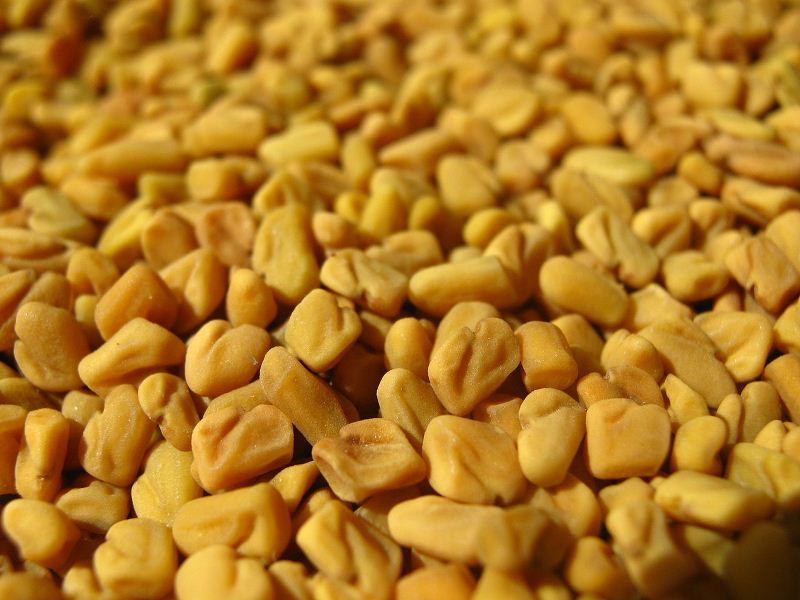
Fenugreek (*Trigonella foenum-graecum*), a herb with a long history in Ayurvedic and traditional Chinese medicine, is recognized for both its culinary and medicinal applications. Known as Methi in many cultures, its seeds and leaves contain a wealth of nutrients, including iron, magnesium, manganese, and vitamin B6. More importantly, from a phytotherapeutic perspective, fenugreek is rich in active compounds like galactomannan, a soluble fiber, and the amino acid 4-hydroxyisoleucine, which are believed to be responsible for its primary health effects.

fenugreek properties

This article provides an evidence-based overview of fenugreek’s potential benefits, focusing on its role in metabolic health. Furthermore, it outlines crucial safety protocols, contraindications, and administration guidelines to ensure its responsible use.

Evidence-Based Health Benefits of Fenugreek

While traditionally used for a wide range of ailments, modern research has focused on several key areas where fenugreek shows the most promise. It is important to note that while studies are encouraging, fenugreek is a supportive agent and not a replacement for medical treatment.

1. May Support Healthy Blood Sugar Levels

Perhaps the most studied benefit of fenugreek is its potential to support glycemic control. The mechanism is twofold. Firstly, the high content of soluble fiber, specifically galactomannan, slows down the digestion and absorption of carbohydrates. This action helps prevent sharp spikes in blood sugar after meals. Secondly, research suggests that the amino acid 4-hydroxyisoleucine may stimulate insulin secretion from the pancreas. A 2022 meta-analysis published in the Journal of Ethnopharmacology concluded that fenugreek supplementation significantly improved glycemic control markers in individuals with prediabetes and type 2 diabetes.

2. Potential Role in Cholesterol Management

Fenugreek may also play a role in maintaining healthy cholesterol levels. The steroidal saponins found in the seeds are thought to inhibit cholesterol absorption in the intestines and reduce its production in the liver. Additionally, the soluble fiber can bind to bile acids, promoting their excretion and encouraging the body to use more cholesterol to produce new bile acids. Consequently, this process can lead to a reduction in LDL (“bad”) cholesterol levels without significantly affecting HDL (“good”) cholesterol.

3. Supports Digestive Regularity

The rich fiber and mucilage content in fenugreek seeds makes them a natural bulk-forming laxative. When consumed with water, the seeds swell and form a gelatinous substance that helps soften stool and promote regular bowel movements. This makes it a traditionally used remedy for occasional constipation. However, it is essential to consume adequate fluids when using fenugreek for this purpose to prevent obstruction.

4. Traditional Use as a Galactagogue for Lactation

For centuries, fenugreek has been used as a galactagogue—a substance that may increase milk supply in breastfeeding mothers. While the exact mechanism is not fully understood, it is hypothesized that compounds in fenugreek stimulate sweat production, and since mammary glands are modified sweat glands, this may also enhance milk flow. Clinical observations and some studies support this use, but it is critical for nursing mothers to consult a healthcare provider or lactation consultant before starting supplementation to ensure safety for both mother and infant.

5. May Alleviate Menstrual Discomfort

Fenugreek contains compounds like diosgenin and isoflavones, which have phytoestrogenic properties, meaning they can mimic the effects of estrogen in the body. This has led to its traditional use for alleviating symptoms associated with menstruation and menopause, such as hot flashes and mood swings. Furthermore, its anti-inflammatory and analgesic properties may help reduce the pain associated with dysmenorrhea (painful periods). However, research in this area is still emerging and more robust clinical trials are needed.

Administration Protocol and Safety Limits

Proper dosing and administration are critical for both efficacy and safety. These are general guidelines for a healthy adult; individual needs may vary.

  • Treatment Duration: Use in cycles, for example, for up to 3 months, followed by a mandatory break of at least 4 weeks to assess its effects and prevent potential tolerance.
  • Maximum Daily Dose: For whole seed powder, a common range is 5-10 grams per day, divided into two doses. Do not exceed 15 grams per day without medical supervision. Standardized extracts should be taken according to manufacturer instructions, as concentrations vary.
  • Administration Timing: To aid blood sugar control, take fenugreek seeds or powder with or just before meals. For digestive support, it can be taken with a large glass of water between meals.

Overdose Risk: Exceeding recommended doses can lead to significant gastrointestinal distress, such as diarrhea, bloating, and nausea. More seriously, it can cause a dangerous drop in blood sugar (hypoglycemia).

Specific Biological Limitation

Hypoglycemic Action: Fenugreek’s primary mechanism involves lowering blood glucose levels. While beneficial for individuals with hyperglycemia, this effect poses a significant risk for those with normal or low blood sugar, or for individuals taking antidiabetic medications. The combined effect can lead to severe hypoglycemia, characterized by dizziness, confusion, sweating, and, in extreme cases, loss of consciousness. Therefore, blood sugar levels must be monitored closely when initiating fenugreek supplementation, especially in at-risk populations.

Contraindications and Precautions

Fenugreek is not suitable for everyone. It is crucial to be aware of the following contraindications before use.

  • Absolute Contraindications: Individuals with a known allergy to fenugreek, peanuts, chickpeas, or other members of the Fabaceae (legume) family should avoid it completely.
  • Pregnancy: Fenugreek is strictly contraindicated during pregnancy as it contains compounds (oxytocin and saponins) that can stimulate uterine contractions and may lead to premature labor or miscarriage.
  • Hormone-Sensitive Conditions: Due to its phytoestrogenic properties, individuals with hormone-sensitive cancers (such as breast, uterine, or ovarian cancer) should consult their oncologist before using fenugreek.

Major Drug Interactions

Combining fenugreek with certain medications can be dangerous. Always consult your healthcare provider.

Drug Class Interaction Mechanism and Risk
Antidiabetic Drugs (e.g., Metformin, Insulin, Glyburide) Fenugreek has a hypoglycemic effect, which can be additive. Combining them significantly increases the risk of severe hypoglycemia. Blood glucose monitoring is essential.
Anticoagulants / Antiplatelets (e.g., Warfarin, Aspirin, Clopidogrel) Fenugreek contains coumarin-like compounds that may slow blood clotting. Taking it with these medications can increase the risk of bruising and serious bleeding.
Thyroid Medications (e.g., Levothyroxine) The high fiber content in fenugreek can interfere with the absorption of thyroid hormones, potentially reducing their effectiveness. Take fenugreek at least 4 hours apart from these medications.

Therapeutic Alternatives

If fenugreek is not suitable for you, other options with scientific backing may be considered for similar benefits:

  • For Blood Sugar Support: Berberine is a powerful plant alkaloid that has been extensively studied for its ability to improve insulin sensitivity and lower blood glucose, acting through different pathways than fenugreek. Cinnamon (specifically Ceylon cinnamon) may also help improve glucose metabolism.
  • For Lactation Support: Fennel (*Foeniculum vulgare*) and Milk Thistle (*Silybum marianum*) are two other herbs traditionally used as galactagogues, each with its own safety profile that should be discussed with a healthcare provider.
  • For Cholesterol Management: Artichoke Leaf Extract has been shown in clinical studies to support healthy cholesterol levels by promoting bile production.

Recent Medical Research (2020-2026)

Recent scientific inquiry continues to validate and refine our understanding of fenugreek. For instance, a 2022 systematic review and meta-analysis confirmed its significant positive effects on fasting blood glucose and HbA1c in people with diabetes. Furthermore, a 2023 study explored the potential of fenugreek extract in improving testosterone levels and sexual function in men, highlighting an expanding area of research. However, researchers consistently call for larger, more rigorous long-term studies to establish definitive dosing and safety standards for various conditions.

Specialist’s Summary

Fenugreek is a well-researched herb primarily useful for supporting metabolic health, specifically blood sugar and cholesterol levels, with moderate effects that typically appear after several weeks of consistent use. It is strictly contraindicated during pregnancy and requires extreme caution for individuals on antidiabetic or anticoagulant medications. Validated alternatives for metabolic support include berberine and cinnamon, which may be more suitable for certain individuals.

Frequently Asked Questions

1. How long does it take for fenugreek to lower blood sugar?
Effects are not immediate. Studies show that noticeable improvements in blood sugar markers like fasting glucose and HbA1c may take anywhere from 4 to 12 weeks of consistent daily supplementation combined with a healthy lifestyle.

2. Can I take fenugreek every day?
Daily use is common in clinical trials, but it is best practice to use it in cycles. A typical cycle might be 2-3 months of daily use, followed by a 1-month break. This helps prevent potential side effects and allows you to assess its true benefit.

3. Does fenugreek cause weight gain or weight loss?
Evidence is mixed. The soluble fiber in fenugreek can promote a feeling of fullness, which may help reduce overall calorie intake and support weight management. However, it is not a direct weight loss remedy, and its effects on appetite can vary between individuals.

4. Is fenugreek safe for children, during pregnancy, or while breastfeeding?
Children: Not recommended for children without pediatric supervision due to its potent effects on blood sugar. Pregnancy: NO, it is unsafe and strictly contraindicated as it can induce uterine contractions. Breastfeeding: It is traditionally used to increase milk supply, but you MUST consult a lactation consultant or healthcare provider before use to ensure it is appropriate for you and your baby.

Sources and References

Recent Studies (2020-2026):

  1. Geberemeskel, G. A., et al. (2022). Efficacy and safety of fenugreek (Trigonella foenum-graecum L.) seed extract in individuals with prediabetes and type 2 diabetes: A systematic review and meta-analysis of randomized controlled trials. Journal of Ethnopharmacology. Available at: https://www.ncbi.nlm.nih.gov/pmc/articles/PMC8942298/
  2. Rao, A., et al. (2023). The effect of a proprietary Fenugreek seed extract on sex hormones and sexual function in healthy aging males: A randomized controlled trial. Phytotherapy Research.

Official Monographs:

  • World Health Organization (WHO). (1999). WHO Monographs on Selected Medicinal Plants – Volume 1: Semen Trigonellae Foenugraeci. Available at: WHO Monographs

⚠️ Important Medical Information

This article is for educational and informational purposes only and is not intended as medical advice, diagnosis, or treatment. The information provided about Fenugreek is based on traditional use, preliminary research, and available scientific evidence, which may be limited.

Before using Fenugreek:

  • Consult a qualified healthcare provider, especially if you are pregnant, breastfeeding, taking medications, or have existing health conditions like diabetes or hormone-sensitive cancers.
  • Do not use as a substitute for prescribed medications or professional medical treatment.
  • Individual results may vary – what works for one person may not work for another.
  • Monitor for adverse reactions and discontinue use if negative symptoms occur.


You may also like

Leave a Comment