10 Plants to Improve Bedroom Air Quality and Support Restful Sleep
Many people seek natural ways to enhance their sleep environment, and houseplants are often suggested for their potential to improve indoor air quality. While the idea that a few plants can completely “purify” a room is an overstatement of scientific findings, certain plants can contribute to a healthier indoor atmosphere. This, combined with their calming aesthetic presence, may support a more restful night’s sleep.

It is important to approach this topic with a clear understanding of the science. Much of the enthusiasm stems from the NASA Clean Air Study, which demonstrated the air-filtering capabilities of plants in a sealed laboratory setting. However, in a typical home with regular air exchange, the effect is less dramatic. Nevertheless, plants can help filter certain volatile organic compounds (VOCs) and, through their psychological effects, create a more tranquil space.
This article provides an evidence-based overview of 10 plants that may improve your bedroom environment, with a critical focus on safety protocols and realistic expectations.
Understanding the Role of Plants in the Bedroom
A common myth suggests that having plants in the bedroom is dangerous because they release carbon dioxide at night. In reality, the amount of CO2 produced by a few houseplants is negligible and poses no risk to human health. In fact, some plants do the opposite, releasing oxygen during the night.
Here are 10 plants to consider for your bedroom, evaluated for their potential benefits and essential safety considerations.
1. Snake Plant (Dracaena trifasciata)
The Snake Plant is highly regarded for its hardiness and air-filtering capabilities. It is one of the few houseplants that utilizes Crassulacean Acid Metabolism (CAM) photosynthesis, allowing it to convert carbon dioxide into oxygen at night. Consequently, it actively freshens the air while you sleep.
Evidence: Research, including the NASA study, indicates the Snake Plant can filter indoor air pollutants such as benzene, formaldehyde, trichloroethylene, and xylene.
- ⚠️ Safety Protocol: This plant is toxic to cats and dogs if ingested, potentially causing nausea and vomiting. Therefore, it should be kept out of reach of pets.
2. Spider Plant (Chlorophytum comosum)
The Spider Plant is an excellent choice for beginners and is celebrated for its air-purifying prowess. It is particularly effective at removing formaldehyde, a common indoor pollutant found in resins, particleboard, and synthetic fabrics.
Evidence: Studies have shown that Spider Plants can remove up to 90% of formaldehyde from a sealed environment. Furthermore, it is one of the safest options for households with animals.
- Safety Protocol: The Spider Plant is non-toxic to cats, dogs, and humans, making it a worry-free addition to any bedroom.
3. Peace Lily (Spathiphyllum ‘Mauna Loa’)
With its elegant white blooms and glossy leaves, the Peace Lily is both beautiful and functional. It helps remove several common VOCs from the air. Additionally, it releases moisture, which can increase room humidity by up to 5%. This may be beneficial in dry climates or during winter months.
Evidence: The Peace Lily is effective at filtering benzene, formaldehyde, trichloroethylene, and ammonia.
- ⚠️ Safety Protocol: The Peace Lily contains calcium oxalate crystals, which are toxic to both pets and humans if ingested. Ingestion can cause severe irritation of the mouth, throat, and digestive tract. It must be placed where children and pets cannot access it.
4. English Ivy (Hedera helix)
English Ivy is a vigorous vine that excels at air filtration. It is particularly noted for its ability to reduce airborne fecal matter and mold spores, making it a potentially beneficial plant for those with allergies or asthma.
Evidence: Research has highlighted its effectiveness in removing formaldehyde and benzene from the air.
- ⚠️ Safety Protocol: All parts of the English Ivy plant are toxic if ingested by humans, dogs, and cats, causing symptoms ranging from skin irritation to severe gastrointestinal distress. It is crucial to keep this plant away from children and pets.
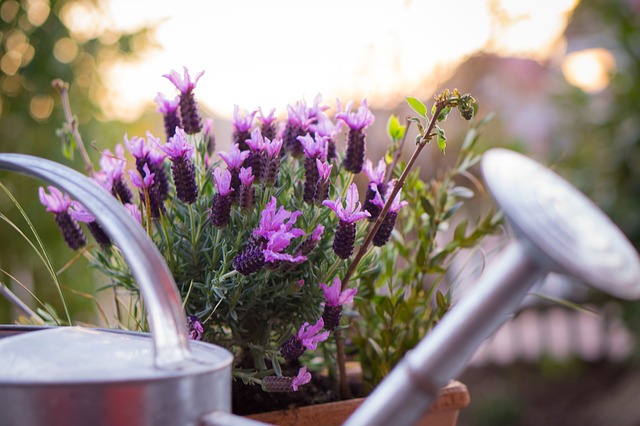
5. Lavender (Lavandula angustifolia)
Unlike the other plants on this list, Lavender’s primary benefit comes from its aroma rather than air filtration. The scent of lavender has been used for centuries in traditional medicine to promote calmness and relaxation.
Mechanism of Action: The aroma is due to volatile compounds like linalool and linalyl acetate, which studies suggest may have a calming effect on the nervous system when inhaled.
- Safety Protocol: While the scent is generally safe, lavender essential oil can be toxic if ingested. The plant itself is considered toxic to cats and dogs, potentially causing nausea and vomiting.
6. Jasmine (Jasminum spp.)
Similar to lavender, the sweet scent of certain jasmine species is traditionally associated with relaxation and reduced anxiety. Its fragrance may help create a serene atmosphere conducive to sleep.
Evidence: Some preliminary studies suggest that the scent of jasmine may have a gentle sedative effect, potentially improving sleep quality.
- Safety Protocol: While many species like Jasminum officinale are non-toxic, others can be. Always verify the specific species. For instance, Carolina Jasmine (Gelsemium sempervirens) is highly poisonous. Ensure you have a non-toxic variety if pets or children are present.
7. Aloe Vera (Aloe barbadensis miller)
Known for the healing gel in its leaves, Aloe Vera is also a functional bedroom plant. Like the Snake Plant, it is a CAM plant that releases oxygen at night, contributing to fresher morning air.
Evidence: It is effective at filtering formaldehyde and benzene from the atmosphere.
- ⚠️ Safety Protocol: The latex within the Aloe Vera leaf is toxic to cats, dogs, and humans if ingested, and can cause significant digestive upset. Keep it out of reach.
8. Gerbera Daisy (Gerbera jamesonii)
These bright, cheerful flowers can add a splash of color to your bedroom while working to improve air quality. They are known to release oxygen at night and filter common household toxins.
Evidence: Gerbera Daisies are noted for their ability to remove trichloroethylene (often brought in with dry cleaning) and benzene from the air.
- Safety Protocol: Gerbera Daisies are non-toxic to pets and humans, making them a safe and colorful choice.
9. Gardenia (Gardenia jasminoides)
Gardenias are prized for their beautiful white flowers and intoxicating fragrance, which may have calming properties. Their scent can help create a relaxing environment perfect for unwinding before sleep.
Evidence: Preliminary animal research published in the *Journal of Biological Chemistry* suggested that a compound in gardenias (crocetin) may have effects similar to some sedative medications on the brain’s GABA receptors. However, this does not mean it can replace medical treatments for insomnia.
- ⚠️ Safety Protocol: Gardenias are toxic to cats, dogs, and horses, and should be kept away from them.
10. Valerian (Valeriana officinalis)
It is crucial to clarify a common misconception about this plant. While Valerian *root* is a well-documented herbal remedy used in phytotherapy for insomnia and anxiety, having the live plant in your bedroom does not confer these sedative effects. The therapeutic compounds are concentrated in the root and must be ingested as a prepared extract. The plant’s small, scented flowers can, however, add a pleasant, subtle fragrance to the room.
- Safety Protocol: The Valerian plant is generally considered safe and non-toxic for pets, though cats may be strongly attracted to it, similar to catnip.
General Safety and Best Practices
When choosing plants for your bedroom, safety should be the top priority, especially in households with children and pets. Always research a plant’s toxicity before bringing it home.
| Plant | Toxicity to Pets (Cats & Dogs) |
| Snake Plant | Toxic |
| Spider Plant | Non-Toxic |
| Peace Lily | Toxic |
| English Ivy | Toxic |
| Lavender | Toxic |
| Jasmine (non-toxic species) | Non-Toxic (verify species) |
| Aloe Vera | Toxic |
| Gerbera Daisy | Non-Toxic |
| Gardenia | Toxic |
| Valerian | Non-Toxic |
Therapeutic Alternatives for Air Quality
If keeping houseplants is not suitable for you, there are other evidence-based methods to improve indoor air quality:
- HEPA Filters: High-Efficiency Particulate Air (HEPA) filters are scientifically proven to remove 99.97% of dust, pollen, mold, bacteria, and any airborne particles with a size of 0.3 microns.
- Proper Ventilation: Simply opening windows for 10-15 minutes a day can significantly reduce the concentration of indoor pollutants and improve air circulation.
- Low-VOC Products: Choose paints, furniture, and cleaning supplies labeled as “low-VOC” or “zero-VOC” to minimize the sources of indoor air pollution.
Recent Medical Research (2020-2026)
Recent research continues to explore the benefits of indoor plants. A 2022 review in the journal Environmental Research confirmed that while the VOC removal rate of individual plants is modest in a real-world setting, their psychological benefits are significant. The presence of greenery, a concept known as biophilia, is consistently linked to reduced stress and improved mood.
Current limitations in research highlight the need for more studies conducted in realistic home and office environments rather than sealed chambers to quantify the precise impact of plants on air quality. The scientific consensus is that plants are a helpful *supplement* to, but not a replacement for, proper ventilation and air filtration systems.
Specialist’s Summary
Houseplants can be a valuable addition to a bedroom, contributing modestly to air quality by filtering some VOCs and providing significant psychological benefits that support relaxation. Plants like the Snake Plant and Spider Plant are functional and low-maintenance, while aromatic plants like Lavender offer calming scents. However, it is absolutely critical to consider the toxicity of many common plants to pets and children. For significant air purification, mechanical solutions like HEPA filters remain the most effective option.
Frequently Asked Questions
How many plants are needed to purify the air in a room?
To have a scientifically significant impact on air quality, you would need a very large number of plants—perhaps 10 to 100 per room, depending on the space. It is more realistic to view them as a complementary part of a healthy home environment rather than a primary purification system.
Can bedroom plants really help with sleep problems?
Directly, their effect on air quality is minor. Indirectly, their calming visual presence and, in some cases, relaxing aromas can help reduce stress and create a tranquil atmosphere conducive to sleep. They are not a treatment for clinical insomnia.
Are there any “zero-maintenance” air-purifying plants?
No plant is zero-maintenance, but the Snake Plant and Spider Plant are extremely resilient and tolerant of low light and infrequent watering, making them excellent choices for those new to houseplants.
Sources and References
- Wolverton, B. C., et al. (1989). Interior Landscape Plants for Indoor Air Pollution Abatement. NASA.
- Dela Cruz, M., et al. (2022). Can ornamental potted plants remove volatile organic compounds from indoor air? A comprehensive review. Environmental Research.
- Lohmann, K., et al. (2010). Fragrant Gardenia Scent Is a Novel, Orally Active GABAA Receptor Modulator with Anxiolytic-Like Activity. Journal of Biological Chemistry.
⚠️ Important Medical Information
This article is for educational and informational purposes only and is not intended as medical advice, diagnosis, or treatment. The information provided about houseplants and air quality is based on traditional use, preliminary research, and available scientific evidence, which may be limited.
Before making changes to your environment for health reasons:
- Consult a qualified healthcare provider, especially if you have allergies, asthma, or other respiratory conditions.
- Do not use plants as a substitute for prescribed medications or professional medical treatment for sleep disorders or other health issues.
- Always verify plant toxicity if you have children or pets. Contact a veterinarian or poison control center in case of accidental ingestion.
Regulatory status: The claims regarding the health benefits of houseplants have not been evaluated by the FDA for treating, curing, or preventing any disease.