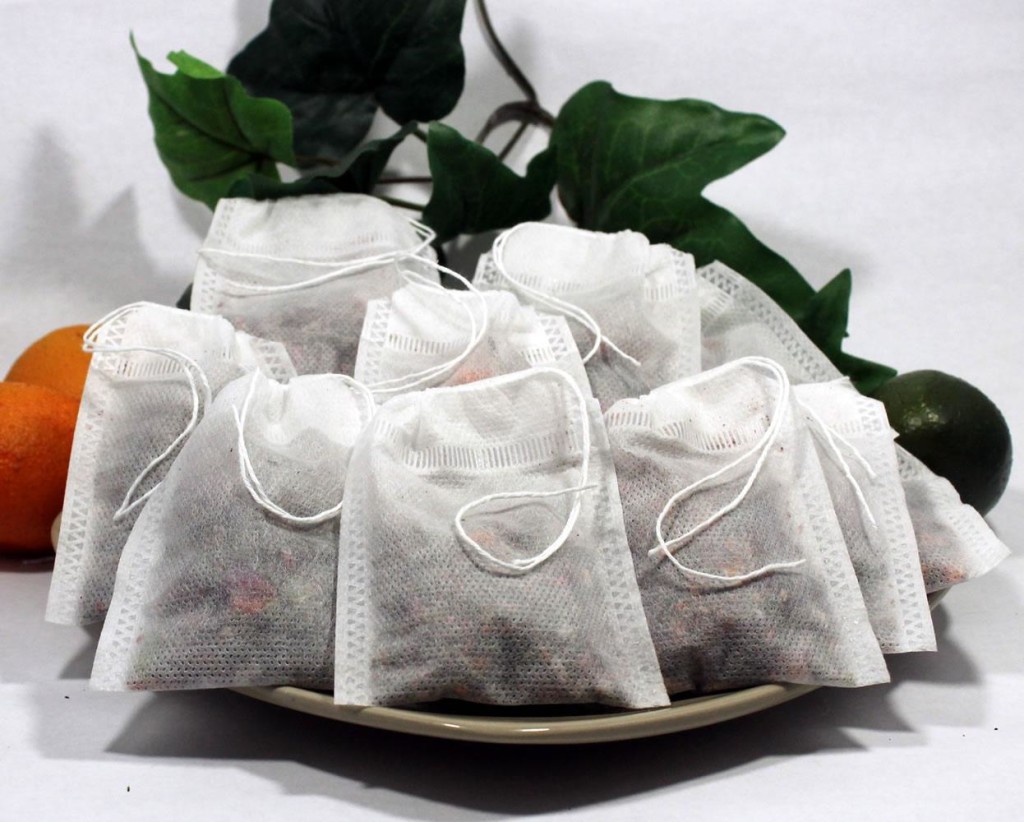
Are Plastic Tea Bags Safe? A Guide to Healthier Tea Brewing

Discover the science behind microplastic release from tea bags and learn how to choose safer, healthier alternatives for your daily cup.

by Andreea Smiterson
0 comments
A+A-
Reset

Drinking tea is a cherished ritual for many, valued for its comforting warmth and potential health benefits. However, the convenience of modern tea bags, particularly those made with plastic, has raised significant health questions. As a phytotherapy specialist, it is crucial to examine not only the herbs we consume but also the methods by which we prepare them. Recent scientific findings have shifted our attention to the materials used in tea bags and their potential to release microplastics into our brew.

This article provides an evidence-based overview of the concerns surrounding plastic tea bags, explains the science behind microplastic release, and offers clear, safe alternatives to ensure your tea habit remains a healthy one.

plastic tea bags dangers

The Science of Microplastics in Tea

Many premium or “silken” tea bags are not made of silk but of food-grade plastics like polyethylene terephthalate (PET) or nylon. While these materials are considered stable at room temperature, their behavior changes when exposed to boiling water.

A landmark 2019 study from McGill University, published in the journal Environmental Science & Technology, brought this issue to the forefront. Researchers steeped four different commercial plastic tea bags in water at 95°C (203°F). The results were startling: a single plastic tea bag released approximately 11.6 billion microplastics and 3.1 billion smaller nanoplastics into one cup of tea. This is thousands of times higher than the amount of plastic particles previously reported in other foods and beverages.

What About Paper Tea Bags?

Traditional paper tea bags also present potential concerns. To prevent them from disintegrating in hot water, some paper bags are treated with a plastic-based sealant, often polypropylene. Furthermore, a compound called epichlorohydrin is sometimes used as a resin to add wet strength. When epichlorohydrin comes into contact with water, it can hydrolyze and form 3-MCPD, a compound that has been classified as a possible human carcinogen by the International Agency for Research on Cancer (IARC).

Consequently, choosing tea bags that are explicitly marketed as “plastic-free,” “unbleached,” and “compostable” is a prudent measure.

Potential Health Implications of Ingesting Microplastics

It is crucial to state that the long-term health effects of ingesting microplastics are not yet fully understood and remain an active area of scientific investigation. However, emerging research highlights several areas of potential concern that warrant a precautionary approach.

Potential risks being studied include:

  • Inflammation and Oxidative Stress: In vitro and animal studies suggest that microplastics may induce inflammatory responses and oxidative stress in cells.
  • Gut Microbiome Disruption: The gut is the first point of contact. There is concern that these particles could alter the delicate balance of the gut microbiome, which is essential for immune function and overall health.
  • Bioaccumulation: Nanoplastics are small enough to potentially cross biological barriers and accumulate in tissues and organs, though the extent and consequences of this in humans are still unknown.

Given these uncertainties, minimizing unnecessary exposure to microplastics is a sensible health strategy.

Safe Tea Brewing Protocols

To enjoy the full benefits of herbal teas without the risks associated with packaging, adopting safer brewing methods is essential. The goal is to ensure that only the tea and water are in your cup.

Method Description Safety Considerations
Loose-Leaf Tea with Infuser This is the gold standard for safe tea preparation. It allows for high-quality, whole-leaf teas and complete control over brewing materials. Use infusers made of non-reactive materials like stainless steel, glass, or food-grade silicone. Avoid plastic mesh infusers.
Certified Plastic-Free Tea Bags Many brands now offer tea bags made from natural, compostable materials like corn starch (PLA), unbleached paper, or cotton. Look for explicit labels such as “plastic-free,” “fully compostable,” or “unbleached.” Ensure they are sealed with pressure or stitching, not glue or plastic.
Reusable Fabric Tea Bags These are small pouches made from natural, unbleached cotton or muslin that can be filled with loose-leaf tea, steeped, and then washed for reuse. Wash thoroughly between uses with a non-toxic soap and rinse well to prevent residue buildup.

Recent Medical Research (2020-2026)

Since the pivotal 2019 McGill study, research into the prevalence and impact of microplastics has expanded significantly. A 2022 review published in the journal Toxics confirmed that food and beverage consumption is a primary route of human exposure to microplastics. Furthermore, a 2023 study in Environment International successfully detected microplastics in human blood, confirming that these particles can be absorbed into the bloodstream.

However, a significant limitation in the current body of research is the lack of long-term human studies. Most data comes from laboratory (in vitro) or animal studies, and the exact dose at which microplastics become harmful to humans is still unknown. The scientific consensus calls for more research while advocating for the “precautionary principle”—reducing exposure where possible.

Specialist’s Summary

Plastic-based tea bags are a significant and preventable source of microplastic and nanoplastic exposure. While the definitive long-term health risks are still under investigation, the sheer quantity of particles released into a single cup of tea is cause for concern. Adopting the precautionary principle by switching to loose-leaf tea, using stainless steel or glass infusers, or choosing certified plastic-free tea bags is a simple and effective way to protect your health. This ensures you receive the intended therapeutic benefits of your tea without unintended contaminants.

Frequently Asked Questions

1. How can I tell if my tea bags contain plastic?

Tea bags that have a “silky” texture, are pyramid-shaped, or are sealed with a shiny, melted-looking seam likely contain plastic (PET or nylon). Paper bags that feel very durable when wet may be reinforced with plastic. The safest bet is to choose brands that explicitly state they are “100% plastic-free” on their packaging.

2. Are compostable or biodegradable tea bags safe?

Generally, yes, but it’s important to read the label. Most “compostable” tea bags are made from polylactic acid (PLA), a bioplastic derived from corn starch. PLA is considered much safer than petroleum-based plastics like PET or nylon and does not break down into microplastics in the same way when steeped in hot water. Look for bags made from PLA, unbleached paper, cotton, or hemp.

3. Does the water temperature affect plastic release?

Yes, significantly. The McGill study found that plastic release was much higher at brewing temperatures (95°C / 203°F) compared to room temperature. The heat helps to degrade the plastic surface, releasing particles into the water. This is why cold-brewing in plastic tea bags is likely safer, but avoiding them altogether is the best option.

4. Is it better to just buy loose-leaf tea?

From a health and quality perspective, yes. Loose-leaf tea eliminates the risk of contaminants from the bag. Additionally, it often consists of higher-quality, whole leaves, which can provide a more complex flavor and a fuller spectrum of the plant’s beneficial compounds compared to the “dust” and “fannings” often found in bags.

Sources and References

Recent Studies (2020-2026):

  1. Hernandez, L. M., Xu, E. G., Larsson, H. C., Tahara, R., Maisuria, V. B., & Tufenkji, N. (2019). Plastic Teabags Release Billions of Microparticles and Nanoparticles into Tea. Environmental Science & Technology, 53(21), 12300–12310.
  2. Danopoulos, E., Jenner, L. C., Twiddy, M., & Rotchell, J. M. (2022). Microplastic Contamination of Food and Beverages: A Systematic Review. Toxics, 10(3), 135.
  3. Leslie, H. A., van Velzen, M. J. M., Brandsma, S. H., Vethaak, A. D., Garcia-Vallejo, J. J., & Lamoree, M. H. (2022). Discovery and quantification of plastic particle pollution in human blood. Environment International, 163, 107199.

Official Monographs & Reports:

⚠️ Important Medical Information

This article is for educational and informational purposes only and is not intended as medical advice, diagnosis, or treatment. The information provided about plastic tea bags and microplastics is based on available scientific evidence, which is continually evolving.

Before making changes to your health routine:

  • Consult a qualified healthcare provider for personalized advice, especially if you have existing health conditions or concerns.
  • Do not use this information as a substitute for professional medical guidance.
  • Individual health responses can vary. The precautionary principle suggests minimizing exposure to potential contaminants where feasible.


You may also like

Leave a Comment