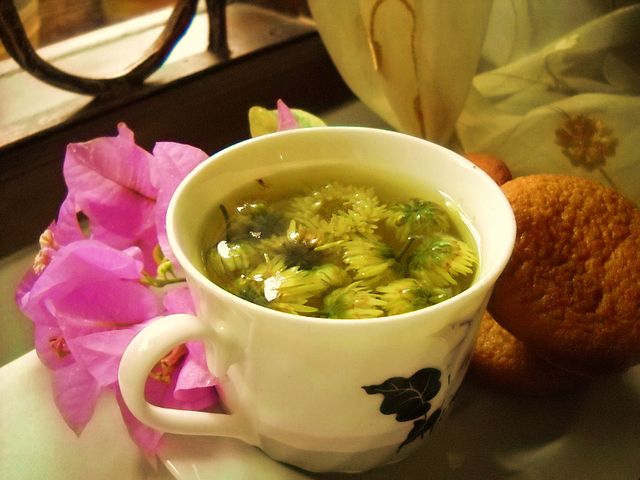
Chrysanthemum tea, derived from the flowers of plants like Chrysanthemum morifolium or Chrysanthemum indicum, is more than just a fragrant beverage. For centuries, it has been a cornerstone of Traditional Chinese Medicine (TCM), valued for its cooling properties and health-supporting benefits. Unlike many garden varieties, specific medicinal cultivars are used to create this gentle, caffeine-free infusion.
Modern research is beginning to explore the mechanisms behind its traditional uses, investigating its role in managing inflammation, supporting the immune system, and promoting overall wellness. This article provides an evidence-based overview of the potential benefits of chrysanthemum tea, grounded in both historical context and current scientific understanding, along with essential safety protocols for its use.

Potential Health Benefits of Chrysanthemum Tea
While chrysanthemum tea is not a substitute for medical treatment, research and traditional use suggest it may offer several health benefits.
1. Traditional Use for Fever and Body Cooling
In Traditional Chinese Medicine, chrysanthemum is classified as a “cooling” herb used to clear heat from the body. Consequently, it has been traditionally employed to help manage the early stages of fever, heat-related headaches, and heat rash. Its diaphoretic properties may gently promote sweating, a natural mechanism for cooling the body.
Clinical Observation: Herbal practitioners often recommend it as a refreshing drink during hot weather or at the onset of a feverish cold to help alleviate discomfort. However, it is not a replacement for fever-reducing medications like acetaminophen or ibuprofen, especially in cases of high or persistent fever.
2. May Support Immune Function
Chrysanthemum flowers are rich in various bioactive compounds, including flavonoids, phenolic acids, and polysaccharides, which are known to have immunomodulatory effects. Furthermore, the tea contains notable amounts of Vitamin C and Vitamin A, both essential for a healthy immune system.
According to a study published in Food Chemistry, certain compounds in chrysanthemum have been shown to modulate immune responses in laboratory settings. These findings suggest that regular consumption may help support the body’s natural defence mechanisms against common pathogens, particularly those affecting the upper respiratory tract.
3. Anti-Inflammatory Properties for Soothing Sore Throats
The anti-inflammatory effects of chrysanthemum are one of its most studied benefits. Compounds like flavonoids and triterpenoids can help inhibit inflammatory pathways in the body. For this reason, the tea is traditionally used to soothe the discomfort of a sore throat and reduce redness and swelling.
Mechanism of Action: Research indicates these compounds may work by down-regulating pro-inflammatory cytokines. Therefore, sipping warm chrysanthemum tea can provide localized relief for throat irritation associated with colds or environmental irritants.
4. Potential Contribution to Cardiovascular Health
Preliminary research suggests that chrysanthemum tea may play a role in supporting cardiovascular health. Some studies have indicated that its flavonoid content can help lower blood pressure and reduce levels of LDL (“bad”) cholesterol. For instance, a 2021 review in the journal Molecules highlighted the potential of chrysanthemum flavonoids in protecting against cardiovascular diseases.
Important Note: While promising, this evidence is not sufficient to recommend chrysanthemum tea as a treatment for hypertension or high cholesterol. It should be considered a complementary part of a heart-healthy lifestyle, not a replacement for prescribed medications.
5. A Caffeine-Free Aid for Relaxation and Focus
Unlike coffee or black tea, chrysanthemum tea is naturally caffeine-free. This makes it an excellent choice for hydration and relaxation without the risk of overstimulating the nervous system. While it does not directly “boost” focus like a stimulant, its calming effect can help reduce stress and anxiety, which may indirectly improve concentration and mental clarity.
Administration Protocol and Safety Limits
To use chrysanthemum tea effectively and safely, it is essential to adhere to established guidelines for dosage and duration.
| Aspect | Protocol |
| Maximum Daily Dose | 3-5 grams of dried chrysanthemum flowers, infused in water, consumed in up to 3 divided doses (cups) per day. |
| Treatment Duration | For acute conditions like a cold or fever, use for 3-7 days. For general wellness, consume in cycles of 2-3 weeks. |
| Mandatory Break | Take a 1-week break after each 2-3 week cycle to prevent potential imbalances. |
| Administration Method | Pour 200-250 ml (approx. 8 oz) of hot (not boiling) water over 1-2 teaspoons of dried flowers. Steep for 5-10 minutes. Can be consumed warm or cooled. |
Specific Biological Limitation
Cooling Energetics: In Traditional Chinese Medicine, chrysanthemum has a strong “cooling” energetic property. While beneficial for “hot” conditions (fever, inflammation, redness), this effect can be detrimental for individuals with a “cold” constitution. People who experience chronic cold hands and feet, poor circulation, digestive weakness, or loose stools may find that chrysanthemum tea exacerbates these symptoms. Therefore, its use should be tailored to an individual’s specific physiological state.
Contraindications and Precautions
Always prioritize safety when using herbal remedies. Do not use chrysanthemum tea if you fall into any of the following categories.
- Allergies: Individuals with known allergies to the Asteraceae/Compositae family of plants (including ragweed, daisies, marigolds, and chamomile) should avoid chrysanthemum, as it can trigger allergic reactions ranging from skin rashes to anaphylaxis.
- Pregnancy and Breastfeeding: There is insufficient safety data on the use of chrysanthemum tea during pregnancy or lactation. Therefore, it is best to avoid it.
- Children: Consult a paediatrician or qualified healthcare provider before giving chrysanthemum tea to children under 12.
Major Drug Interactions
- Antihypertensive Medications: Because chrysanthemum may lower blood pressure, combining it with blood pressure-lowering drugs could potentially cause hypotension (abnormally low blood pressure).
- Immunosuppressants: Due to its potential to stimulate the immune system, it could theoretically interfere with medications designed to suppress it (e.g., for autoimmune diseases or organ transplants).
When to Stop Immediately
Discontinue use and consult a healthcare provider if you experience skin rash, hives, difficulty breathing, digestive upset, or a worsening of your symptoms.
Therapeutic Alternatives
If chrysanthemum tea is not suitable for you, other botanicals with similar benefits may be considered:
- Peppermint (Mentha piperita): An excellent alternative for its cooling properties and ability to soothe sore throats and relieve fever. Its active compound, menthol, provides a noticeable cooling sensation.
- Elderflower (Sambucus nigra): Traditionally used as a diaphoretic to support the body during fevers and colds. It has a gentle action and is often combined with peppermint and yarrow.
- Licorice Root (Glycyrrhiza glabra): Known for its demulcent (soothing) and anti-inflammatory properties, making it highly effective for coating and calming a sore throat. Note: Licorice has its own contraindications, including high blood pressure.
Recent Medical Research (2020-2026)
Modern science continues to validate many of the traditional uses of chrysanthemum. Recent studies have focused on isolating its active compounds and understanding their mechanisms.
- A 2021 review published in Molecules provided a comprehensive overview of the phytochemicals in Chrysanthemum indicum and their pharmacological effects, confirming its significant anti-inflammatory, antioxidant, and neuroprotective potential.
- Research in the Journal of Ethnopharmacology (2022) explored the immunomodulatory effects of polysaccharides extracted from chrysanthemum, finding they could enhance the activity of certain immune cells in vitro.
Current Limitations: Most research is still preclinical (test-tube or animal studies). More robust human clinical trials are needed to confirm these benefits and establish standardized, effective dosages.
Specialist’s Summary
Chrysanthemum tea is a traditionally valued remedy primarily useful for its cooling effects in managing mild fever and for its anti-inflammatory properties in soothing sore throats. Its effects are generally mild and appear with consistent use. However, it is strictly contraindicated for individuals with Asteraceae family allergies and should be used with caution by those with low blood pressure or a “cold” constitution. Validated alternatives with similar cooling or soothing actions include peppermint and elderflower.
Frequently Asked Questions
1. How often can I safely drink chrysanthemum tea?
For general wellness, 1-2 cups per day during a 2-3 week cycle is considered safe for most healthy adults. For acute symptoms like a sore throat, you may drink up to 3 cups per day for a few days. Always follow with a one-week break.
2. Can chrysanthemum tea help with eye strain?
In Traditional Chinese Medicine, chrysanthemum is associated with the “Liver meridian,” which is linked to eye health. It is traditionally used to soothe red, dry, or tired eyes, often caused by “liver heat.” While clinical evidence is limited, its anti-inflammatory properties may help reduce eye irritation.
3. What are the main side effects of chrysanthemum tea?
The most significant side effect is an allergic reaction in sensitive individuals. For others, excessive consumption may lead to stomach upset or a feeling of coldness due to its cooling nature. It is generally well-tolerated when consumed in moderation.
4. Is chrysanthemum tea safe during pregnancy?
No. Due to a lack of sufficient safety studies, healthcare providers and phytotherapy specialists recommend avoiding chrysanthemum tea during pregnancy and while breastfeeding to prevent any potential risk to the baby.
Sources and References
- Wang, L., et al. (2021). Phytochemicals and Pharmacological Activities of Chrysanthemum indicum. Molecules, 26(11), 3373. https://www.mdpi.com/1420-3049/26/11/3373
- Lin, L., et al. (2022). Immunomodulatory activity of a polysaccharide from the flowers of Chrysanthemum morifolium Ramat. Journal of Ethnopharmacology, 284, 114789.
- World Health Organization (WHO). (1999). WHO Monographs on Selected Medicinal Plants – Volume 1. [Reference to general principles of herbal safety and traditional use].
⚠️ Important Medical Information
This article is for educational and informational purposes only and is not intended as medical advice, diagnosis, or treatment. The information provided about Chrysanthemum Tea is based on traditional use, preliminary research, and available scientific evidence, which may be limited.
Before using Chrysanthemum Tea:
- Consult a qualified healthcare provider, especially if you are pregnant, breastfeeding, taking medications, or have existing health conditions like allergies or low blood pressure.
- Do not use as a substitute for prescribed medications or professional medical treatment.
- Individual results may vary – what works for one person may not work for another.
- Monitor for adverse reactions and discontinue use if negative symptoms occur.