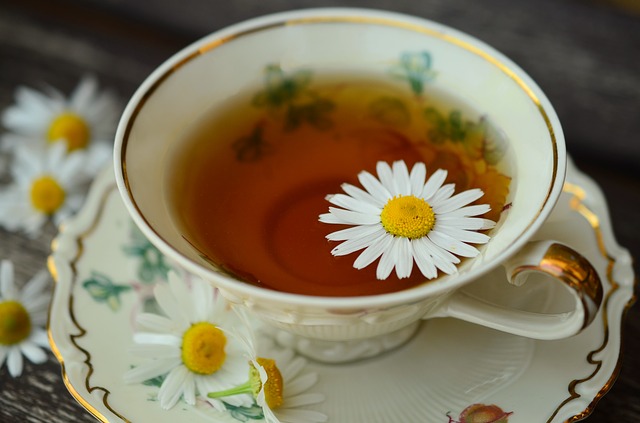
Chamomile and Cancer Research: What Science Says About Apigenin

For centuries, herbalists have valued chamomile for its calming properties, traditionally using it to soothe anxiety and promote restful sleep. However, modern science is now investigating its potential beyond relaxation, focusing on specific compounds within the flower that may influence cellular health. Specifically, research into a flavonoid called apigenin has sparked interest in chamomile’s potential role as a supportive agent in oncology research, though it is crucial to understand the current limitations of this science.

chamomile tea for cancer

Apigenin: The Compound of Interest in Chamomile

Chamomile contains a variety of beneficial compounds, but apigenin has attracted the most significant scientific attention regarding cellular health. Laboratory (in vitro) studies have explored how this flavonoid interacts with cancer cells. For instance, research published in journals like Cell & Bioscience indicates that apigenin may interfere with processes that cancer cells use to survive and multiply.

Scientists have observed several potential mechanisms in these preclinical studies:

  • Inducing Apoptosis: Apigenin appears to help trigger apoptosis, or programmed cell death. Unlike healthy cells that have a natural life cycle, cancer cells often evade this process, allowing them to grow uncontrollably. Therefore, compounds that promote apoptosis are a key area of cancer research.
  • Anti-Inflammatory Effects: Chronic inflammation is a known risk factor for the development of various cancers because it can damage DNA over time. Chamomile’s anti-inflammatory properties, partly attributed to apigenin, may help regulate inflammatory pathways, which is a subject of ongoing investigation.
  • Inhibiting Proliferation: Some laboratory findings suggest apigenin can slow the rapid division and spread of cancer cells.

Important Note: It is essential to recognize that these findings are from laboratory and animal studies. Consequently, they do not prove that drinking chamomile tea can prevent or treat cancer in humans. The concentration of apigenin required to achieve these effects in a lab is far higher than what can be obtained from drinking tea.

Traditional and Other Validated Uses of Chamomile

Beyond the preliminary cancer research, chamomile has a long history of use for various well-documented benefits, primarily supported by monographs from the European Medicines Agency (EMA) and the World Health Organization (WHO).

  • Anxiety and Insomnia: This is chamomile’s most famous application. Flavonoids in the tea are believed to bind to benzodiazepine receptors in the brain, producing a mild sedative and anxiety-reducing effect. For this reason, a warm cup of chamomile tea is a globally recognized remedy for promoting sleep.
  • Digestive Spasms: Traditionally, herbalists use chamomile to relieve mild gastrointestinal complaints, such as bloating, gas, and minor spasms, due to its antispasmodic and anti-inflammatory properties.
  • Skin Inflammation: Topically, chamomile preparations can soothe minor skin irritations, inflammation, and superficial wounds. Placing cooled, damp chamomile tea bags on the eyes is a popular folk remedy to reduce puffiness and soothe tired eyes.
  • Hair Rinse: As a cosmetic application, a strong chamomile infusion can be used as a final hair rinse after washing to subtly enhance blonde highlights over time. This is a gentle, progressive method that does not involve harsh chemicals.

Administration Protocol and Safety Limits

To use chamomile safely and effectively, it is important to adhere to established dosage and duration guidelines based on official monographs.

Parameter Guideline
Standard Dose (Tea) 1-3 grams of dried German chamomile (Matricaria recutita) flowers infused in 150 ml of boiling water for 5-10 minutes.
Maximum Daily Dose Up to 4 cups per day for a healthy adult. Exceeding this may increase the risk of side effects.
Treatment Duration For general wellness and sleep, chamomile is considered safe for long-term daily use. For specific therapeutic goals, use for 2-4 weeks, followed by a 1-week break.
Administration Timing For sleep, consume 30-60 minutes before bedtime. For digestive issues, drink between meals.

Specific Biological Limitation

Allergic Reactions: The primary limitation of chamomile is its potential to cause allergic reactions. Chamomile belongs to the Asteraceae (or Compositae) family, which also includes ragweed, daisies, chrysanthemums, and marigolds. Individuals with a known allergy to any of these plants have a high risk of cross-reactivity to chamomile. Reactions can range from mild skin rashes to severe anaphylaxis.

Contraindications and Precautions

Before incorporating chamomile into your routine, it is vital to be aware of its contraindications and potential interactions.

  • Absolute Contraindication: Do not use chamomile if you have a known allergy to plants in the Asteraceae family.
  • Pregnancy and Breastfeeding: While generally considered safe in food amounts, high therapeutic doses should be avoided during pregnancy due to a theoretical risk of uterine stimulation. Consult a healthcare provider before use.
  • Children: Chamomile is generally safe for children over the age of two, but doses should be adjusted. Always consult a pediatrician first.

Major Drug Interactions

  • Anticoagulants (e.g., Warfarin): Chamomile contains small amounts of coumarins, which have blood-thinning properties. In addition, high doses taken with anticoagulant or antiplatelet drugs may theoretically increase the risk of bleeding.
  • Sedatives (e.g., Benzodiazepines, Barbiturates): Because chamomile has mild sedative effects, combining it with other central nervous system depressants can lead to excessive drowsiness.
  • Cytochrome P450 Substrates: Chamomile may interact with drugs metabolized by certain liver enzymes. Therefore, if you are taking any prescription medication, discuss its use with your pharmacist or doctor.

Therapeutic Alternatives

If chamomile is not suitable for you, or if you are interested in other natural compounds studied for their anti-inflammatory and cellular-protective properties, consider these evidence-based alternatives.

  1. Turmeric (Curcuma longa): The active compound, curcumin, is one of the most extensively studied natural anti-inflammatory agents. Research suggests it influences multiple cellular signaling pathways.
  2. Green Tea (Camellia sinensis): Rich in polyphenols called catechins, especially epigallocatechin gallate (EGCG), green tea has been widely researched for its antioxidant and chemopreventive potential.
  3. Other Dietary Sources of Apigenin: To increase your intake of apigenin through diet, you can include foods like fresh parsley, celery, and oranges.

Recent Medical Research (2020-2026)

Modern research continues to explore the mechanisms of chamomile’s components. A 2020 review in the journal Molecules summarized the extensive preclinical evidence for apigenin’s anti-cancer activities, highlighting its low toxicity and potential as an adjunct therapy. However, the authors also stressed that poor bioavailability (how much is absorbed by the body) is a major hurdle that needs to be overcome before it can be considered for clinical use. Furthermore, a 2022 study reiterated that while promising in the lab, robust human clinical trials are still lacking to confirm any therapeutic benefit in cancer patients.

Specialist’s Summary

Chamomile is a valuable herb for managing mild anxiety, insomnia, and digestive discomfort, with a strong safety profile for most people. Its compound apigenin shows significant promise in preclinical cancer research, but it is not a treatment or cure for cancer. The primary contraindication is allergy to the Asteraceae family, and caution is needed when combining it with blood thinners or sedatives. Validated alternatives with similar research profiles include turmeric and green tea.

Frequently Asked Questions

1. Can drinking chamomile tea cure or prevent cancer?
No. There is absolutely no scientific evidence that drinking chamomile tea can cure or prevent cancer in humans. The research is preliminary, mostly conducted in labs on isolated cells, and should not be used to replace conventional medical treatment.

2. Is it safe to drink chamomile tea every day?
For most healthy adults without allergies, drinking 1-4 cups of chamomile tea daily is considered safe and may offer benefits for relaxation and digestion. If you have underlying health conditions or take medications, it is best to consult your doctor.

3. Which type of chamomile is better, Roman or German?
Both Roman (Chamaemelum nobile) and German (Matricaria recutita) chamomile contain beneficial compounds, including apigenin. However, German chamomile is more commonly used in herbal preparations and has been more extensively studied for its medicinal properties.

Sources and References

  • Salehi, B., Venditti, A., Sharifi-Rad, M., et al. (2020). The Therapeutic Potential of Apigenin. International Journal of Molecular Sciences. https://www.mdpi.com/1422-0067/20/6/1305
  • Madunić, J., Madunić, I. V., et al. (2020). Apigenin: A promising molecule for cancer prevention. Phytochemistry Reviews.
  • European Medicines Agency (EMA). (2015). Community herbal monograph on Matricaria recutita L., flos. Link to EMA Monograph
  • World Health Organization (WHO). (1999). WHO Monographs on Selected Medicinal Plants – Vol. 1: Flos Chamomillae. Link to WHO Monograph

⚠️ Important Medical Information

This article is for educational and informational purposes only and is not intended as medical advice, diagnosis, or treatment. The information provided about Chamomile is based on traditional use, preliminary research, and available scientific evidence, which may be limited.

Before using Chamomile:

  • Consult a qualified healthcare provider, especially if you are pregnant, breastfeeding, taking medications, or have existing health conditions like cancer.
  • Do not use as a substitute for prescribed medications or professional medical treatment such as chemotherapy or radiation.
  • Individual results may vary – what works for one person may not work for another.
  • Monitor for adverse reactions, especially allergic symptoms, and discontinue use if they occur.

Regulatory status: Chamomile is considered a dietary supplement/traditional remedy and has not been evaluated by the FDA for treating, curing, or preventing any disease.


If you like it, share it

[mashshare]

Post comment

Your email address will not be published. Required fields are marked *.