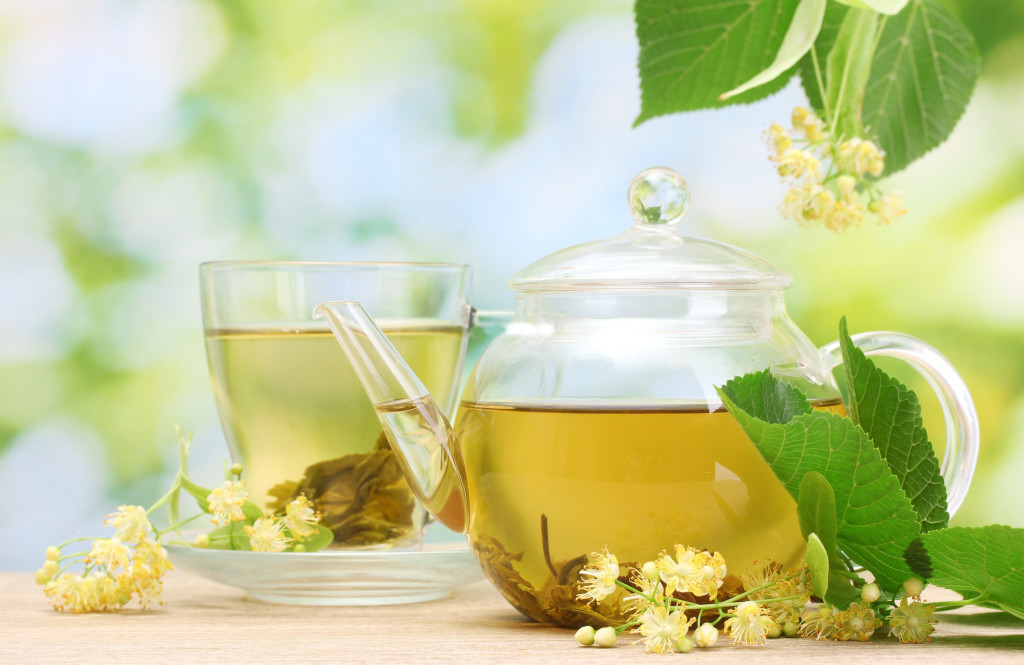
Herbal teas, also known as tisanes, offer a caffeine-free way to enjoy the benefits of various plants. For centuries, traditional medicine systems have utilized these infusions for wellness. However, navigating the vast selection available can be confusing, and it’s crucial to understand both the potential benefits and the necessary safety precautions.
This evidence-based guide, written from a phytotherapy perspective, explores four well-researched herbal teas. Furthermore, it provides clear information on their primary uses, mechanisms of action, and essential safety protocols to ensure responsible consumption.

1. Chamomile (Matricaria recutita): For Relaxation and Digestive Calm
Chamomile is one of the most widely used medicinal plants in the world. Traditionally, herbalists have valued it for its calming properties and its ability to soothe digestive discomfort.
Primary Validated Benefits
- Mild Sedative and Anxiolytic Effects: Research suggests chamomile may help reduce symptoms of generalized anxiety disorder and improve sleep quality. A 2019 meta-analysis published in Phytotherapy Research confirmed its potential to significantly improve sleep quality.
- Digestive Support: Its antispasmodic and anti-inflammatory properties can help alleviate symptoms like indigestion, gas, and mild stomach cramps.
Administration Protocol and Safety Limits
- Treatment Duration: For sleep or anxiety, use for 2-4 weeks, followed by a 1-week break to assess continued need. For occasional digestive upset, use as needed.
- Maximum Daily Dose: Up to 4 cups per day (using 1 tea bag or 1-2 teaspoons of dried flowers per cup).
- Timing: For sleep, consume 30-60 minutes before bedtime. For digestion, drink after meals.
Contraindications and Precautions
- Allergies: Individuals with allergies to the Asteraceae family (e.g., ragweed, daisies, marigolds) may experience allergic reactions.
- Pregnancy: While occasional use is generally considered safe, high doses should be avoided as it may have mild uterine-stimulating properties. Always consult a healthcare provider.
- Drug Interactions: Use with caution if taking anticoagulant medications (like warfarin) or sedatives, as chamomile may potentiate their effects.
Therapeutic Alternatives
- For Sleep & Anxiety: Lemon Balm (Melissa officinalis) or Valerian Root (Valeriana officinalis) are well-researched alternatives with stronger sedative properties.
- For Digestive Spasms: Peppermint (Mentha x piperita) is an excellent antispasmodic, particularly for the lower digestive tract.
2. Ginger (Zingiber officinale): For Nausea and Inflammation
Ginger root is a powerful botanical known for its pungent flavor and extensive history in both culinary and medicinal practices. Its primary active compounds, gingerols and shogaols, are responsible for its therapeutic effects.
Primary Validated Benefits
- Anti-Nausea (Antiemetic): Ginger is highly effective for managing nausea and vomiting associated with motion sickness, pregnancy (morning sickness), and chemotherapy. The World Health Organization (WHO) monograph on ginger supports its use for this purpose.
- Anti-inflammatory Action: Clinical studies indicate that ginger may help reduce pain and inflammation in conditions like osteoarthritis by inhibiting inflammatory pathways, similar to some non-steroidal anti-inflammatory drugs (NSAIDs).
Administration Protocol and Safety Limits
- Treatment Duration: For acute nausea, use as needed. For chronic inflammation, cycles of 30 days followed by a 1-2 week break are recommended.
- Maximum Daily Dose: Up to 4 grams of dried ginger (approximately 4 cups of strong tea) for healthy adults. For pregnancy, the dose should not exceed 1 gram per day.
- Timing: For motion sickness, consume 30 minutes before travel. For digestive benefits, drink with or after meals.
Contraindications and Precautions
- Bleeding Disorders: High doses may increase bleeding risk. Therefore, individuals on anticoagulant therapy (e.g., warfarin, aspirin) or with bleeding disorders should consult their doctor. Discontinue use at least one week before scheduled surgery.
- Gallstones: Ginger can stimulate bile production, which may cause issues for individuals with gallstones.
- High Doses: Exceeding the recommended dose can sometimes cause mild heartburn or stomach upset.
Therapeutic Alternatives
- For Nausea: Peppermint (Mentha x piperita) tea can also help with nausea, though its mechanism is different.
- For Inflammation: Turmeric (Curcuma longa), often combined with black pepper for better absorption, is a potent anti-inflammatory alternative.
3. Peppermint (Mentha x piperita): For Digestive Relief
Peppermint is a hybrid mint traditionally used to freshen breath and soothe digestive complaints. Its primary active ingredient, menthol, provides its characteristic cooling sensation and therapeutic effects.
Primary Validated Benefits
- Irritable Bowel Syndrome (IBS): Peppermint is recognized by the European Medicines Agency (EMA) for relieving symptoms of IBS, such as bloating, flatulence, and abdominal cramps. It works by relaxing the smooth muscles of the digestive tract.
- Nausea and Indigestion: It can help ease feelings of nausea and indigestion by calming the stomach muscles.
Administration Protocol and Safety Limits
- Treatment Duration: For managing IBS symptoms, use for up to 2-3 weeks continuously. For occasional indigestion, use as needed.
- Maximum Daily Dose: 2-3 cups per day.
- Timing: Drink after meals to aid digestion and reduce bloating. Avoid drinking it right before bed if you are prone to acid reflux.
Contraindications and Precautions
- GERD/Acid Reflux: Peppermint can relax the lower esophageal sphincter, potentially worsening heartburn and acid reflux in susceptible individuals.
- Infants and Young Children: Avoid giving peppermint tea to infants or small children, as menthol can cause breathing difficulties in rare cases.
- Gallbladder Conditions: Consult a doctor before use if you have a history of gallstones or other gallbladder problems.
Therapeutic Alternatives
- For Bloating/Gas: Fennel seed (Foeniculum vulgare) or Caraway (Carum carvi) teas are excellent carminative (gas-relieving) alternatives.
- For Indigestion: Chamomile (Matricaria recutita) offers a gentler approach to soothing stomach upset.
4. Hibiscus (Hibiscus sabdariffa): For Cardiovascular Support
Made from the dried calyces of the hibiscus flower, this ruby-red tea has a tart, cranberry-like flavor. It is traditionally consumed in many cultures for its refreshing taste and health benefits.
Primary Validated Benefits
- Blood Pressure Regulation: Multiple clinical trials and meta-analyses have shown that regular consumption of hibiscus tea may modestly lower both systolic and diastolic blood pressure in individuals with pre-hypertension and mild hypertension. A 2022 meta-analysis in Frontiers in Cardiovascular Medicine reaffirmed these findings.
- Antioxidant Rich: Hibiscus is packed with antioxidants, particularly anthocyanins, which help protect the body from oxidative stress.
Administration Protocol and Safety Limits
- Treatment Duration: For blood pressure effects, consistent daily use for at least 4-6 weeks is necessary. It is suitable for long-term use under medical supervision.
- Maximum Daily Dose: 2-3 cups per day.
- Timing: Can be consumed at any time of day.
Contraindications and Precautions
- Hypotension: Individuals with low blood pressure should use hibiscus with caution, as it may lower it further.
- Pregnancy and Breastfeeding: Avoid use during pregnancy, as it may stimulate menstruation. Its safety during breastfeeding is not well-established.
- Drug Interactions: May interact with diuretic medications and could affect how the body processes certain drugs. Consult your healthcare provider, especially if taking blood pressure medication.
Therapeutic Alternatives
- For Cardiovascular Support (under medical guidance): Hawthorn berry (Crataegus spp.) tea or Olive leaf (Olea europaea) extract are other botanicals studied for their cardiovascular benefits.
Recent Medical Research (2020-2026)
Recent research continues to validate the traditional uses of many herbal teas while uncovering new mechanisms. For instance, studies are increasingly focusing on the gut-brain axis, exploring how teas like chamomile and peppermint influence mood and cognitive function through their effects on gut microbiota. Furthermore, advanced analytical techniques are identifying specific compounds responsible for these effects, moving from traditional knowledge to precise, evidence-based phytotherapy.
However, limitations still exist. Many studies are small, and more large-scale human clinical trials are needed to establish standardized dosing and long-term safety profiles for many herbs.
Specialist’s Summary
Herbal teas can be a valuable tool for supporting wellness when used correctly. Chamomile is useful for mild anxiety and digestive upset, while ginger is a first-line option for nausea. Moreover, peppermint excels at relieving IBS symptoms, and hibiscus shows consistent, modest benefits for blood pressure support. Always respect contraindications, especially during pregnancy and when taking medications, and consult a professional for personalized advice.
Frequently Asked Questions
1. Can herbal teas replace my prescription medications?
Absolutely not. Herbal teas should be considered a complementary therapy to support wellness, not a replacement for prescribed medical treatments. Always discuss the use of herbal products with your healthcare provider to avoid dangerous interactions or untreated conditions.
2. How long does it take for herbal teas to work?
The onset of effects varies. For acute issues like nausea (ginger) or indigestion (peppermint), you may feel relief within 30-60 minutes. For chronic conditions like anxiety (chamomile) or high blood pressure (hibiscus), consistent use over several weeks is typically required to notice benefits.
3. Are all “natural” teas safe?
No. “Natural” does not automatically mean “safe.” Many plants contain potent compounds that can cause side effects, trigger allergies, or interact with medications. It is essential to use teas from reputable sources and follow established safety guidelines.
Sources and References
- Hieu, T. H., Dibas, M., Dila, K. A. S., Sherif, N. A., Hashmi, M. U., Mahmoud, M., … & Huy, N. T. (2019). Therapeutic efficacy and safety of chamomile for state anxiety, generalized anxiety disorder, insomnia, and sleep quality: A systematic review and meta-analysis of randomized controlled trials and quasi-randomized controlled trials. Phytotherapy Research.
- Ellis, R. R., & Rentería-Agualimpia, X. (2022). A plausible role for hibiscus sabdariffa in the treatment of hypertension. Frontiers in Cardiovascular Medicine.
- World Health Organization. (1999). WHO Monographs on Selected Medicinal Plants – Volume 1. Rhizoma Zingiberis.
- European Medicines Agency. (2019). Community herbal monograph on Mentha x piperita L., aetheroleum.
⚠️ Important Medical Information
This article is for educational and informational purposes only and is not intended as medical advice, diagnosis, or treatment. The information provided about these herbal teas is based on traditional use, preliminary research, and available scientific evidence, which may be limited.
Before using any herbal tea for medicinal purposes:
- Consult a qualified healthcare provider, especially if you are pregnant, breastfeeding, taking medications, or have existing health conditions.
- Do not use as a substitute for prescribed medications or professional medical treatment.
- Individual results may vary – what works for one person may not work for another.
- Monitor for adverse reactions and discontinue use if negative symptoms occur.
Regulatory status: These products are considered dietary supplements or traditional remedies and have not been evaluated by the FDA for treating, curing, or preventing any disease.
1 comment
interesting post