Immune-Supportive Herbal Teas for Cold and Flu Season: A Guide to Safe Use

by Andreea Smiterson
0 comments
A+A-
Reset

Understanding Herbal Support for Viral Infections

During periods of seasonal illness, a weakened immune system can increase vulnerability to common viral infections such as colds and influenza. While no herbal tea can “cure” a virus, certain plants contain compounds that may help support the body’s natural defense mechanisms, potentially reducing the duration and severity of symptoms. It is crucial to understand that these herbs are adjunctive therapies and not substitutes for conventional medical advice or treatment, especially for severe infections or high-risk individuals.

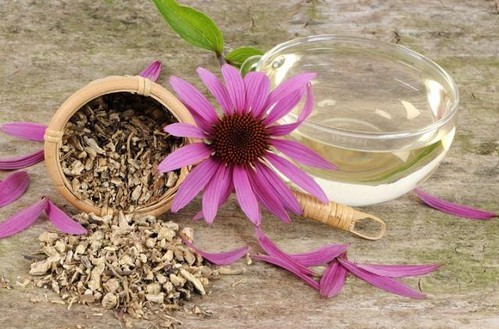
Herbal tea for immune support

⚠️ Important Medical Disclaimer!
This article provides evidence-based information on phytotherapy but does not constitute medical advice. Viral infections can be serious. Consequently, you must consult a healthcare professional for diagnosis and treatment, particularly if you have underlying health conditions, are pregnant, or if symptoms are severe or persist for more than a few days. Never use herbs to replace prescribed medications without medical supervision.

Validated Herbal Blends for Immune Support

The original recipe combined multiple potent herbs in a manner lacking clinical validation and clear safety protocols. For instance, oregano oil is a highly concentrated substance unsuitable for infusion and carries a risk of mucosal irritation. Therefore, we present safer, evidence-informed alternatives that focus on synergistic and well-tolerated combinations.

Protocol 1: Early-Onset Immune Support Tea (First 48 Hours)

This blend is designed for use at the very first sign of symptoms, such as a scratchy throat or fatigue.

    • Echinacea root (Echinacea purpurea/angustifolia): 1 teaspoon, dried
    • Ginger root (Zingiber officinale): 1-2 thin slices, fresh
    • Lemon Balm (Melissa officinalis): 1 teaspoon, dried

Preparation: Place the herbs in a teapot. Subsequently, pour 250 ml (approx. 8.5 oz) of boiling water over them. Cover and let it decoct (for the root) and infuse (for the leaves) for 10-15 minutes. Finally, strain and drink warm. You may add honey after it has cooled slightly.

Synergy: Echinacea is an immunomodulator, potentially helping to prime the immune response. Meanwhile, ginger provides anti-inflammatory and diaphoretic (sweat-inducing) properties, and lemon balm adds a calming effect and has its own antiviral properties, particularly against the herpes simplex virus.

Protocol 2: Symptomatic Relief Tea for Flu-Like Aches

This combination focuses on managing the discomfort associated with influenza, such as fever and body aches.

    • Elderflower (Sambucus nigra): 2 teaspoons, dried
    • Peppermint leaf (Mentha piperita): 1 teaspoon, dried
    • Yarrow (Achillea millefolium): 1/2 teaspoon, dried

Preparation: Combine the herbs and infuse in 250 ml of boiling water for 7-10 minutes, covered. Strain thoroughly before consumption.

Synergy: Elderflower and yarrow are traditional diaphoretics, used to support the body’s fever process. Peppermint contains menthol, which can help soothe a sore throat and ease congestion. However, yarrow has specific contraindications and should be used with caution (see safety sections).

Administration Protocol and Safety Limits

Adherence to strict protocols is essential for safety and efficacy. The following guidelines apply to the primary herbs discussed.

Echinacea (Echinacea purpurea)

    • Treatment Duration: Use for a maximum of 10-14 consecutive days. Continuous long-term use is not recommended as it may alter immune function.
    • Mandatory Break: A break of at least one week is advised between treatment cycles.
    • Maximum Daily Dose: Up to 3 cups of tea (approximately 750 ml total) per day for a healthy adult, consumed in divided doses.
    • Administration Condition: Take at the first sign of infection for best results. Its efficacy significantly diminishes if started later in the course of an illness.

Elderberry/Elderflower (Sambucus nigra)

    • Treatment Duration: Typically used for 3-5 days, for the duration of acute symptoms.
    • Maximum Daily Dose: For standardized elderberry syrup, follow product instructions (often 15 ml, 2-4 times daily). For elderflower tea, 2-3 cups per day is standard.
    • Overdose Risk: Consuming raw or unripe elderberries can cause nausea, vomiting, and diarrhea due to cyanogenic glycosides. Always use properly prepared products from a reputable source.
    • Administration Condition: Administer with food if it causes mild stomach upset.

Specific Biological Limitation

Echinacea: Immunomodulation and Autoimmunity

Echinacea’s primary mechanism involves modulating the immune system, particularly by influencing cytokine production and enhancing phagocyte activity. While this can be beneficial for an acute infection, it poses a significant risk for individuals with autoimmune disorders such as rheumatoid arthritis, lupus (SLE), or multiple sclerosis. In these conditions, the immune system is already overactive and mistakenly attacks the body’s own tissues. Therefore, stimulating it further with Echinacea could theoretically trigger a flare-up or worsen the underlying disease. This effect makes it contraindicated for anyone with a systemic autoimmune condition.

Elderberry: Cyanogenic Glycosides in Raw Plant Parts

The leaves, stems, and unripe berries of the Sambucus nigra plant contain cyanogenic glycosides, specifically sambunigrin. When ingested, these compounds can be metabolized into hydrogen cyanide, a potent toxin. The cooking process effectively destroys these compounds, rendering properly prepared elderberry syrups and teas safe for consumption. For this reason, one must never consume raw elderberries or homemade preparations from fresh, uncooked plant parts. Commercially available products are processed to eliminate this risk.

Contraindications and Precautions

Absolute Contraindications

    • Echinacea: Forbidden for individuals with autoimmune diseases, tuberculosis, or those with a known allergy to the Asteraceae (daisy) family, which includes ragweed and marigolds.
    • Elderberry: Avoid raw or unprocessed parts of the plant.
    • Yarrow: Contraindicated for individuals allergic to the Asteraceae family and during pregnancy.

Vulnerable Populations

    • Pregnancy and Breastfeeding: The safety of Echinacea, Elderberry, and Yarrow has not been definitively established. Therefore, their use should be avoided unless explicitly approved by a healthcare provider.
    • Children: Consult a pediatrician before administering any herbal remedy. Dosages must be adjusted for weight. Honey should not be given to infants under 1 year of age due to the risk of botulism.

Major Drug Interactions

    • Echinacea: May interact with immunosuppressant medications (e.g., cyclosporine, corticosteroids), reducing their effectiveness. There is also some evidence it may inhibit certain CYP450 liver enzymes, potentially affecting the metabolism of various drugs.
    • Elderberry: May enhance the effects of diuretics and laxatives. Individuals with diabetes should monitor blood sugar, as some syrups are high in sugar.

How to Choose Quality Herbal Products

The therapeutic efficacy of an herbal product depends directly on its quality. Use these criteria to make an informed choice.

Product Type Advantages Disadvantages
Loose-leaf Herbs Allows for visual inspection of quality (color, integrity); often more potent. Requires proper storage; dosage is less precise.
Commercial Tea Bags Convenient and easy to use. Often contains pulverized, lower-quality plant material (dust); may have lost volatile compounds.
Standardized Extracts (Syrups/Capsules) Provides a precise, guaranteed dose of active compounds; used in most clinical trials. Higher cost; may lack the full spectrum of plant constituents.

Where to Buy: Purchase from reputable sources like pharmacies, certified herbal apothecaries, or trusted health food stores that can verify the product’s origin and quality control standards.

Quick Guide: Herbal Tea Safety

Category Details
❌ Who should AVOID • Individuals with autoimmune diseases (for Echinacea)
• Pregnant or breastfeeding women
• People with known allergies to the daisy (Asteraceae) family
• Those on immunosuppressant medications
📊 Maximum safe use Echinacea: 10-14 days maximum
Elderberry: 3-5 days for acute symptoms
General: Do not exceed 3 cups of tea per day without professional guidance
🚨 ALARM signs (Stop immediately) • Skin rashes, hives, or difficulty breathing (allergic reaction)
• Severe nausea, vomiting, or dizziness
• Worsening of symptoms or no improvement after 3 days
⏱️ When to consult a doctor IMMEDIATELY if alarm signs appear OR
If you have a high fever, shortness of breath, or chest pain.

💡 Golden rule: When in doubt, consult a pharmacist or healthcare provider!

Recent Medical Research (2020-2026)

Modern research continues to investigate the mechanisms and efficacy of these traditional remedies.

    • A 2021 review on Sambucus nigra highlighted its potential to reduce the duration and severity of upper respiratory viral infections, attributing these effects to its flavonoid content, which may inhibit viral entry and replication.
    • Meta-analyses on Echinacea continue to show mixed but often positive results. A 2023 study suggested that certain Echinacea preparations may modestly reduce the risk and duration of recurrent respiratory tract infections, emphasizing that product quality and species are critical variables.

Current Limitations: The primary limitation in herbal research remains the lack of standardization across products. The results from a study using one specific extract may not apply to a simple homemade tea. More large-scale, high-quality human trials are needed to establish definitive dosage and efficacy guidelines.

Specialist’s Summary

Echinacea and Elderberry are useful adjuncts for managing the early symptoms of common colds and flu in healthy adults, with moderate effects that appear when taken at the first sign of illness. However, they are strictly contraindicated in individuals with autoimmune diseases and require caution during pregnancy and breastfeeding. Their use should be short-term, and they are not a replacement for medical diagnosis or treatment for severe infections. Validated alternatives include Zinc lozenges and Pelargonium sidoides extracts.

Frequently Asked Questions

Can herbal tea cure the flu?
No. No herbal tea can cure influenza or any other virus. Certain herbs, like elderberry, may help reduce the duration and severity of symptoms by supporting the immune system, but they do not eliminate the virus. The flu can be a serious illness, and medical consultation is recommended.

How long does it take for Echinacea tea to work?
Echinacea is most effective when taken at the very first onset of cold symptoms (e.g., within the first 24 hours). Its benefits are preventative and immunomodulatory, not immediate like a pain reliever. If used correctly, it may help shorten the illness by a day or so.

Is Elderberry syrup safe for children?
Commercially prepared elderberry syrup is generally considered safe for children over the age of one, but you must consult a pediatrician for the correct dosage. Do not give homemade preparations to children, and never give products containing honey to infants under one year old.

Sources and References

    • Wieland, L. S., Piechotta, V., Feinberg, T., Ludeman, E., Hutton, B., Kanji, S., Seely, D., & Garritty, C. (2021). Elderberry for prevention and treatment of viral respiratory illnesses: a systematic review. BMC complementary medicine and therapies, 21(1), 112.
    • David, S., & Cunningham, R. (2019). Echinacea for the prevention and treatment of upper respiratory tract infections: A systematic review and meta-analysis. Journal of the American Pharmacists Association, 59(5), 658–668.e2.
    • European Medicines Agency (EMA). Community herbal monograph on Sambucus nigra L., flos.
    • World Health Organization (WHO). WHO Monographs on Selected Medicinal Plants – Volume 1: Radix Echinaceae.


You may also like

Leave a Comment