Allspice Tea Benefits: Digestion, Pain, and Safety

by Ciprian
0 comments
A+A-
Reset

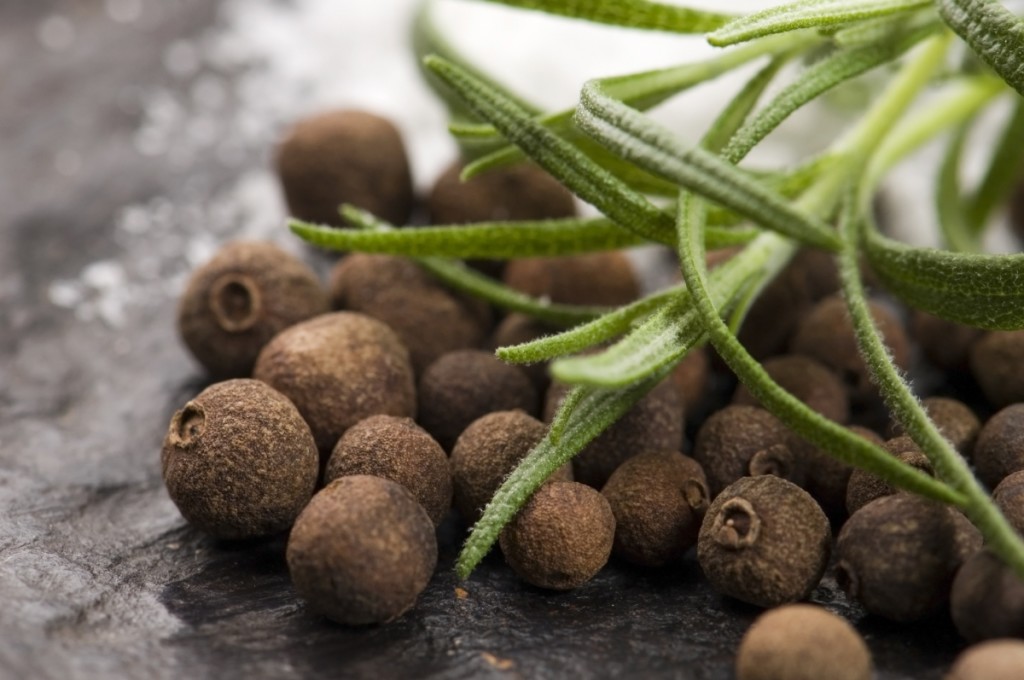
Allspice (Pimenta dioica), also known as Jamaica pepper or pimento, is a versatile spice derived from the dried unripe berries of a tree native to the Caribbean and Central America. While celebrated in cuisine for its complex flavor reminiscent of cinnamon, nutmeg, and cloves, it also holds a significant place in traditional herbal medicine. Historically, cultures in the Caribbean have used allspice to address digestive complaints, relieve pain, and manage menstrual cramps.

Modern scientific inquiry is now exploring the phytochemicals responsible for these traditional uses, offering a clearer picture of both its potential benefits and necessary safety precautions. This article provides an evidence-based overview of allspice tea, its mechanisms, and how to use it responsibly.

12 - Allspice

Key Bioactive Compounds and Mechanisms

The therapeutic potential of allspice is primarily linked to its rich concentration of volatile oils and phenolic compounds. Understanding these components helps explain its traditional applications.

  • Eugenol: This is the dominant compound in allspice essential oil. Furthermore, eugenol is a well-researched molecule known for its analgesic (pain-relieving), local anesthetic, and antiseptic properties. Its presence explains the traditional use of allspice for toothaches and muscular pain.
  • Quercetin: A potent flavonoid antioxidant, quercetin helps neutralize free radicals in the body. Consequently, this action may contribute to reducing oxidative stress and inflammation.
  • Gallic Acid: This phenolic acid is another powerful antioxidant found in allspice that has been studied for its potential antimicrobial and anti-inflammatory effects.
  • Ericifolin: A compound investigated in preliminary laboratory studies for its potential effects on certain cancer cell lines. However, it is crucial to note that this research is in its early stages and does not constitute a proven treatment for cancer in humans.

Evidence-Based Health Benefits of Allspice Tea

While many historical uses exist, current evidence primarily supports a few key areas. It is important to approach these benefits with a clear understanding of the limitations of the available research.

1. Digestive System Support

Traditionally, allspice tea is best known as a carminative, a substance that helps prevent the formation of gas in the gastrointestinal tract or facilitates its expulsion. The eugenol content may stimulate digestive enzymes, potentially aiding in the breakdown of food. For this reason, it is often used to alleviate symptoms like:

  • Bloating and flatulence
  • Mild abdominal cramps
  • Nausea

This use is primarily based on traditional evidence and its known chemical composition rather than extensive human clinical trials.

2. Mild Analgesic and Anti-inflammatory Effects

Due to its high concentration of eugenol, allspice possesses mild pain-relieving properties. Indeed, eugenol is known to inhibit COX-2 enzymes, which are involved in the inflammatory pathway, similar to some non-steroidal anti-inflammatory drugs (NSAIDs). This mechanism suggests allspice tea may help with:

  • Headaches
  • Muscle aches
  • Joint pain associated with mild inflammation

Its effect is considered mild and is not a substitute for prescribed pain medication for chronic or severe conditions.

3. Preliminary Research on Cancer Cells (Laboratory Setting)

Several older laboratory studies have investigated compounds from allspice, such as ericifolin, for their effects on cancer cells. For instance, a study published in Carcinogenesis (2013) noted the antiproliferative properties of an aqueous allspice extract on prostate cancer cells in vitro. Similarly, research in Current Drug Targets (2012) highlighted its potential against both prostate and breast cancer cells in lab models.

CRITICAL NOTE: This research is preliminary and was conducted on isolated cells, not in human subjects. Therefore, allspice tea is not a treatment or cure for cancer. Patients with cancer should always follow the guidance of their oncology team.

Administration Protocol and Safety Limits

To ensure both safety and efficacy, it is essential to follow a structured administration protocol. Continuous, high-dose consumption is not recommended.

How to Prepare Allspice Tea

To prepare a standard infusion, add 1 teaspoon (approximately 2-3 grams) of freshly ground or lightly crushed allspice berries to one cup (240 ml) of boiling water. Cover and let it steep for 10-15 minutes to allow the volatile oils to infuse properly. Finally, strain the berries before drinking.

Parameter Guideline
Maximum Daily Dose 1 to 2 cups per day for a healthy adult.
Treatment Duration Use for up to 14 consecutive days.
Mandatory Break Take a break of at least 7-10 days between treatment cycles.
Administration Timing Best consumed after meals to aid digestion and minimize potential stomach irritation.

Overdose Risk: Exceeding the recommended dose may lead to gastrointestinal upset, nausea, or potential liver stress due to concentrated eugenol intake.

Specific Biological Limitation

Blood Clotting Inhibition: Allspice contains eugenol, a compound known to slow blood clotting by inhibiting platelet aggregation. While this might have theoretical benefits for cardiovascular health, it poses a significant risk for individuals with bleeding disorders or those taking anticoagulant medications. This effect can increase the risk of bruising and bleeding, especially during and after surgery.

Contraindications and Precautions

Despite its benefits, allspice is not suitable for everyone. It is crucial to be aware of the following contraindications.

Absolute Contraindications (Do Not Use)

  • Peptic Ulcers & GERD: Allspice can stimulate gastric acid secretion, potentially worsening conditions like stomach ulcers, gastroesophageal reflux disease (GERD), ulcerative colitis, Crohn’s disease, or diverticulitis.
  • Surgery: Discontinue use at least two weeks before any scheduled surgery to avoid an increased risk of bleeding.

Vulnerable Populations

  • Pregnancy and Breastfeeding: There is insufficient reliable information on the safety of allspice in medicinal amounts during pregnancy or lactation. Therefore, it is best to avoid it.
  • Children: The use of allspice tea for medicinal purposes is not recommended for children under 12 due to a lack of safety data.

Major Drug Interactions

  • Anticoagulant/Antiplatelet Drugs: Allspice can amplify the effects of medications that slow blood clotting, significantly increasing the risk of bleeding. Avoid use if you are taking warfarin, clopidogrel, aspirin, ibuprofen, naproxen, heparin, or similar drugs.

When to Stop Immediately

Discontinue use and consult a healthcare provider if you experience stomach pain, heartburn, skin rash, or signs of increased bleeding (e.g., unusual bruising, nosebleeds).

Therapeutic Alternatives

If allspice is not suitable for you, other well-validated botanicals can offer similar benefits for specific conditions.

  1. For Digestive Bloating and Gas: Fennel Seed (Foeniculum vulgare) tea is an excellent carminative with a long history of safe use for relieving flatulence and intestinal spasms. Its primary active compound, anethole, has a different mechanism than eugenol.
  2. For Mild Muscular or Joint Pain: White Willow Bark (Salix alba) contains salicin, which the body converts to salicylic acid. It has well-documented anti-inflammatory and analgesic properties, making it a suitable alternative for mild pain relief.
  3. For Nausea: Ginger Root (Zingiber officinale) is one of the most effective and well-researched natural remedies for nausea from various causes, including motion sickness and morning sickness.

Recent Medical Research (2020-2026)

Recent research continues to focus on the antimicrobial and antioxidant properties of Pimenta dioica essential oil rather than the tea infusion. A 2022 study published in Molecules confirmed the potent antioxidant and antimicrobial activity of allspice essential oil against various bacteria and fungi, reinforcing its potential as a natural preservative.

Current Limitations: There is a significant lack of modern human clinical trials on allspice tea specifically. Most research is conducted in vitro (in a lab) or focuses on the concentrated essential oil, not the traditional water-based infusion. Consequently, direct evidence for many of its purported health benefits in humans remains limited.

Specialist’s Summary

Allspice tea is a traditional remedy primarily useful for mild digestive complaints like gas and bloating, with secondary benefits for minor pain due to its eugenol content. However, it is strongly contraindicated for individuals with gastrointestinal ulcers or bleeding disorders and has a significant interaction with blood-thinning medications. Validated alternatives like fennel for digestion or ginger for nausea are often better-studied choices for those who cannot use allspice.

Frequently Asked Questions

1. Can allspice tea help with gas and bloating?
Yes, allspice is traditionally used as a carminative, which means it may help relieve gas, bloating, and mild stomach cramps. This is one of its most common and accepted herbal uses.

2. Is it safe to drink allspice tea every day?
Daily long-term use is not recommended. It is best used for short periods (up to 14 days) to manage acute symptoms, followed by a break. Continuous use may increase the risk of side effects, particularly stomach irritation.

3. Does allspice tea interact with medications?
Yes, this is a critical safety concern. Allspice can interact with any medication that slows blood clotting, including aspirin, warfarin, and NSAIDs like ibuprofen. Always consult a healthcare provider before using it if you take any prescription or over-the-counter medications.

Sources and References

  • Padmashree, A., et al. (2022). Pimenta dioica (L.) Merr. Essential Oil: A Review on Its Composition, Biological Activity, and Applications. Molecules, 27(19), 6240. https://doi.org/10.3390/molecules27196240
  • Shamim, M., et al. (2013). Ericifolin: a novel antitumor compound from allspice that silences androgen receptor in prostate cancer cells. Carcinogenesis, 34(10), 2309-2317.
  • Zhang, L., & Yuan, D. (2012). Novel antitumor agents in clinical development for prostate cancer. Current Drug Targets, 13(13), 1645-1658.

⚠️ Important Medical Information

This article is for educational and informational purposes only and is not intended as medical advice, diagnosis, or treatment. The information provided about Allspice is based on traditional use, preliminary research, and available scientific evidence, which may be limited.

Before using Allspice:

  • Consult a qualified healthcare provider, especially if you are pregnant, breastfeeding, taking medications, or have existing health conditions like peptic ulcers or bleeding disorders.
  • Do not use as a substitute for prescribed medications or professional medical treatment.
  • Individual results may vary – what works for one person may not work for another.
  • Monitor for adverse reactions and discontinue use if negative symptoms occur.

Regulatory status: Allspice is considered a dietary supplement/traditional remedy and has not been evaluated by the FDA for treating, curing, or preventing any disease.

Last updated: 2024-05-20


You may also like

Leave a Comment