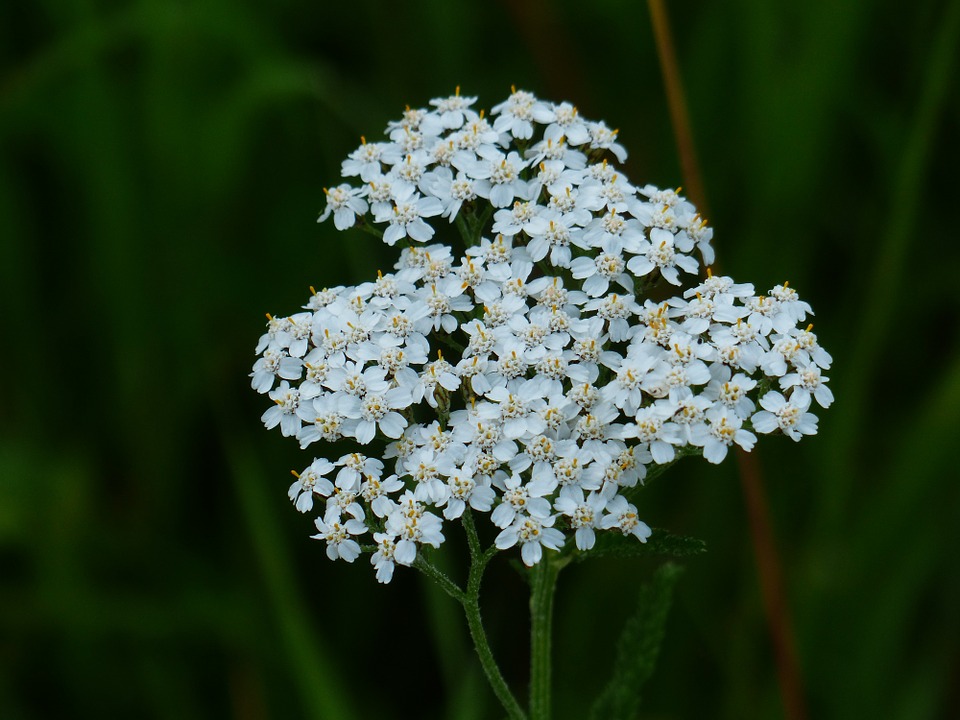
Yarrow Oil for Skin Healing: Benefits and How to Use Safely

Learn to make and apply this traditional remedy for wounds, inflammation, and pain relief.

by Andreea Smiterson
0 comments
A+A-
Reset

Yarrow (Achillea millefolium) is one of the most esteemed herbs in traditional Western herbalism. While its appearance is modest, its history is rich with therapeutic applications. For centuries, herbalists and phytotherapists have recognized its significant potential, particularly for skin health and wound management.

This article provides an evidence-based overview of yarrow oil, separating traditional wisdom from modern scientific understanding and outlining crucial safety protocols for its use.

yarrow-oil-benefits

Historical Context and Modern Understanding

Historically, yarrow earned names like “carpenter’s grass” and “soldier’s woundwort” due to its remarkable traditional use in staunching bleeding and aiding the healing of cuts and abrasions. According to legend, the Greek hero Achilles used it to treat his soldiers’ wounds, giving the plant its botanical name, Achillea. Every part of the herb—flowers, leaves, and stems—has been used therapeutically in preparations like infusions, tinctures, compresses, and oils.

Modern science has begun to validate these traditional uses. Research indicates that yarrow’s effects are due to a complex synergy of active compounds, including:

  • Sesquiterpene lactones (like achillicin): These contribute to its anti-inflammatory and styptic (blood-stopping) properties.
  • Flavonoids (apigenin, luteolin): These compounds provide antioxidant and antispasmodic effects.
  • Volatile oils (including chamazulene, camphor, and pinene): These offer antimicrobial and anti-inflammatory benefits. Chamazulene, in particular, gives high-quality yarrow essential oil its characteristic deep blue color.

The European Medicines Agency (EMA) monograph on Achillea millefolium acknowledges its traditional use for temporary loss of appetite, minor gastrointestinal complaints, and the relief of minor menstrual cramps.

Evidence-Based Benefits of Yarrow Oil

While yarrow has many traditional applications, its topical use as an infused oil is primarily supported for skin-related issues. It is important to note that many claims lack robust clinical evidence, but preliminary research and extensive traditional use suggest benefits in several key areas.

1. Wound Healing and Skin Repair

Yarrow’s most celebrated use is in wound care. Its astringent properties, attributed to tannins and achillicin, may help constrict tissues and stop minor bleeding. Furthermore, its antimicrobial components can help protect minor cuts and scrapes from infection. A study published in the Journal of Ethnopharmacology highlighted that extracts of Achillea millefolium demonstrated significant wound healing activity in animal models, supporting its traditional application.

2. Anti-Inflammatory and Soothing Properties

The presence of chamazulene and other sesquiterpene lactones gives yarrow potent anti-inflammatory properties. Consequently, yarrow-infused oil can be beneficial for soothing irritated skin, reducing redness, and calming inflammatory conditions like rashes or minor burns. For this reason, it is often applied topically to alleviate discomfort from insect bites and skin sensitivities.

3. Relief for Muscular and Rheumatic Discomfort

When used as a massage oil, yarrow may help ease muscle and joint discomfort. Its antispasmodic and anti-inflammatory actions can help relax tense muscles and reduce localized pain associated with arthritis or physical overexertion. This is because the active compounds can penetrate the skin to act on the underlying tissues.

How to Prepare Homemade Yarrow-Infused Oil

Creating your own yarrow oil is a straightforward process. Using high-quality ingredients is essential for an effective and safe product.

Ingredients:

  • Dried yarrow flowers and leaves (using dried herbs prevents microbial growth)
  • A high-quality carrier oil (e.g., organic olive oil, sweet almond oil, or jojoba oil)
  • A clean, dry glass jar with a tight-fitting lid

Instructions:

  1. Fill the glass jar about halfway to three-quarters full with the dried yarrow. Gently crush the leaves and flowers to help release their constituents.
  2. Pour the carrier oil over the herbs, ensuring they are completely submerged. Leave at least an inch of space at the top.
  3. Stir gently with a clean utensil to remove any air bubbles.
  4. Seal the jar tightly and place it in a warm, sunny spot (like a windowsill) for 2 to 4 weeks. This is the solar infusion method. Shake the jar gently every day.
  5. After the infusion period, strain the oil through a cheesecloth or fine-mesh sieve into a clean, dark glass bottle for storage. Squeeze the cloth to extract as much oil as possible.
  6. Label the bottle with the contents and date. Store in a cool, dark place. The oil should last for up to a year.

Administration Protocol and Safety Limits

Proper application is key to maximizing benefits and ensuring safety. Yarrow oil is intended for topical use only.

  • Application: Apply a small amount of the infused oil directly to the affected area (minor cuts, scrapes, bruises, sore muscles) 2-3 times per day.
  • Patch Test: Before widespread use, always perform a patch test on a small area of skin (like the inner wrist) to check for allergic reactions. Wait 24 hours to ensure no redness or irritation occurs.
  • Duration of Use: For acute issues like minor wounds or muscle soreness, use until the condition resolves. For chronic conditions, it is advisable to use it cyclically, for instance, for 3 weeks followed by a 1-week break, to prevent sensitization.
  • Maximum Dose: There is no established maximum topical dose, but use should be limited to the amount needed to cover the affected area. Do not apply to deep, open, or infected wounds.

Specific Biological Limitation

The primary biological limitation of yarrow relates to its membership in the Asteraceae (or Compositae) plant family. This family includes common allergens such as ragweed, chamomile, marigolds, and daisies. Individuals with a known allergy to any of these plants have a significantly higher risk of an allergic reaction to yarrow. This reaction, known as contact dermatitis, can cause redness, itching, and rashes upon topical application.

Contraindications and Precautions

Despite its benefits, yarrow is not suitable for everyone. Adhering to these warnings is crucial for safety.

  • Absolute Contraindications: Do not use yarrow if you have a known allergy to plants in the Asteraceae/Compositae family.
  • Pregnancy: Yarrow is contraindicated during pregnancy. It is an emmenagogue, meaning it can stimulate menstrual flow, and contains compounds that may stimulate uterine contractions, posing a risk to the pregnancy.
  • Breastfeeding: Safety during breastfeeding has not been established. Therefore, it is best to avoid use to prevent any potential transfer of active compounds to the infant.
  • Children: Consult a qualified healthcare practitioner before using yarrow oil on children.
  • Drug Interactions:
    • Blood-thinning medications (e.g., Warfarin, Aspirin): Yarrow may have mild effects on blood clotting. Although the risk from topical use is low, individuals on these medications should consult their doctor before use.
    • Lithium: Yarrow may have a diuretic effect, which could affect how the body eliminates lithium. This is primarily a concern with internal use, but caution is advised.

When to Stop Immediately: Discontinue use if you experience any signs of an allergic reaction, such as a skin rash, itching, or hives.

Therapeutic Alternatives

If yarrow oil is not suitable for you, other botanicals offer similar benefits for topical use:

  1. Calendula (Calendula officinalis) Oil: An excellent alternative for wound healing and soothing inflamed skin. It is known for its gentle, antimicrobial, and tissue-regenerative properties, making it ideal for sensitive skin.
  2. Plantain (Plantago major) Oil: Traditionally used to soothe insect bites, stings, and minor wounds. It has anti-inflammatory and analgesic properties that help reduce pain and swelling.
  3. St. John’s Wort (Hypericum perforatum) Oil: A superior choice for nerve-related pain, bruises, and muscle soreness. It has potent anti-inflammatory and analgesic effects but can cause photosensitivity.

Recent Medical Research (2020-2026)

Recent studies continue to explore the mechanisms behind yarrow’s traditional uses.
A 2022 review published in Molecules confirmed the rich phytochemical profile of Achillea species, highlighting their significant antioxidant, anti-inflammatory, and antimicrobial activities. This research reinforces the scientific basis for its use in treating skin inflammation and minor infections.
Furthermore, ongoing research is investigating its potential in more complex dermatological conditions, though more human clinical trials are needed to establish definitive efficacy and safety protocols.

Specialist’s Summary

Yarrow oil is a valuable traditional remedy primarily for topical applications like minor wound healing, skin inflammation, and muscle pain, with moderate effects. Its use is supported by both historical evidence and preliminary scientific research. However, it is strictly contraindicated for individuals with Asteraceae allergies and during pregnancy. Validated alternatives with distinct properties include Calendula for general skin repair and St. John’s Wort for nerve-related pain.

Frequently Asked Questions

1. Can yarrow oil be used on the face?
Yes, it can be used on the face for issues like minor inflammation or acne spots, but always perform a patch test first. Due to its potent nature, consider diluting it further with a carrier oil if you have sensitive skin.

2. Does yarrow oil stop heavy bleeding?
No. While traditionally used for minor cuts and scrapes, yarrow oil is not a substitute for medical treatment for deep, large, or heavily bleeding wounds. Seek immediate medical attention for serious injuries.

3. What is the difference between yarrow essential oil and yarrow-infused oil?
Yarrow-infused oil (which this article describes how to make) is a carrier oil infused with the whole plant material. Yarrow essential oil is a highly concentrated product made through steam distillation. Essential oil is much more potent, typically blue, and must be heavily diluted before topical use.

4. Is yarrow safe for children, during pregnancy, or while breastfeeding?
No, yarrow is not considered safe during pregnancy due to its potential to stimulate uterine contractions. Its safety is not established for breastfeeding mothers or young children, so it should be avoided. Always consult a healthcare provider before using any herbal product in these populations.

Sources and References

  • Ali, B., Al-Wabel, N. A., Shams, S., Ahmad, A., Khan, S. A., & Anwar, F. (2015). Essential oils used in aromatherapy: A systemic review. Asian Pacific Journal of Tropical Biomedicine.
  • European Medicines Agency (EMA). (2020). European Union herbal monograph on Achillea millefolium L., herba.
  • Saúde-Guimarães, D., & Faria, M. (2022). Phytochemical Profile and Biological Activities of Achillea Species. Molecules, 27(3), 735.

⚠️ Important Medical Information

This article is for educational and informational purposes only and is not intended as medical advice, diagnosis, or treatment. The information provided about Yarrow Oil is based on traditional use, preliminary research, and available scientific evidence, which may be limited.

Before using Yarrow Oil:

  • Consult a qualified healthcare provider, especially if you are pregnant, breastfeeding, taking medications, or have existing health conditions like allergies.
  • Do not use as a substitute for prescribed medications or professional medical treatment for serious wounds or conditions.
  • Individual results may vary – what works for one person may not work for another.
  • Monitor for adverse reactions and discontinue use if negative symptoms occur.


You may also like

Leave a Comment